MassWildlife: Report winter fish kills

Print Story | Email Story

During winter, thick ice and heavy snow cover can result in low dissolved oxygen levels in ponds. With increasing ice and snow packs, there is less light penetration through the water column. This alters chemical and biological processes, often resulting in a winter fish kill. 

The vast majority of fish kills turn out to be caused by a natural event. However, it's important for biologists to rule out other causes including pollution. Natural fish kills are generally the result of low dissolved oxygen levels (anoxia), spawning stress or fish diseases. Dissolved oxygen depletion is one of the most common causes of natural fish kills. Weedy ponds that are less than 15 feet deep are particularly vulnerable. This can be the case at any time of the year but generally occurs during severe winters or late spring/early summer.

Ice anglers may encounter signs of a low oxygen environment when they drill through the ice and notice the smell of rotten egg or observe sluggish or dying shiners. The odor is hydrogen sulfide gas which is a natural byproduct of low dissolved oxygen environments, and is not likely the result of pollution. Oxygen levels will be return to normal shortly after the ice melts in the spring.

If you observe dead fish, contact the Environmental Police's 24-hour radio room at 1 (800) 632-8075. A MassWildlife biologist will review each situation to determine whether the kill is natural or requires a site investigation.  


Tags: MassWildlife,   
If you would like to contribute information on this article, contact us at info@iberkshires.com.

State Housing Secretary Tours Downtown Pittsfield Developments

By Brittany PolitoiBerkshires Staff

PITTSFIELD, Mass. — The state's new secretary of the Executive Office of Housing and Livable Communities on Monday saw how local developers are transforming historic buildings into downtown housing units. 

Secretary Juana Matias, appointed to the role in February, toured the former St. Joseph's High School on Maplewood Avenue and the near-complete Wright Building Block on North Street.   

Matias observed local leaders working collaboratively to dismantle bottlenecks in housing production, something she said the administration wants to see across all 351 municipalities.  

"This is a perfect model of the partnerships we want to see, and we love coming to the ground and seeing how people are leveraging public taxpayer dollars to help address the issue of our time, which is housing production," she said after the tours. 

Developer David Carver, of Scarafoni Associates & CT Management Group, is seeking support from the state Housing Development Incentive Program to transform St. Joe's into apartments, and Allegrone Companies has secured millions from the program towards the Wright Building renovation

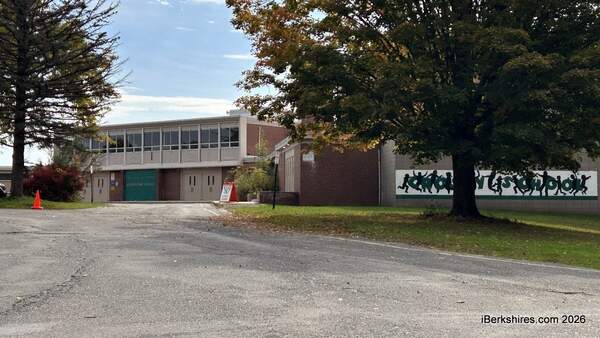
They first visited the shuttered school that functioned as a shelter during the onset of the COVID-19 pandemic, greeted by broken windows and leaving with Carver's vision. 

The plan is to transform the school with good bones into 19 apartments, 20 percent designated affordable, and 30 percent of the building for commercial use.  Units are expected to cost between $1,700 and $1,900 per month; 14 one-bedroom units and five two-bedroom units are planned. 

The project team is in talks with the nearby Berkshire Family YMCA to expand their childcare activities to the building's lower level.  Residents and the daycare would use different entrances. 

View Full Story

More Pittsfield Stories