Environmentalists Talk Green Homes and Construction
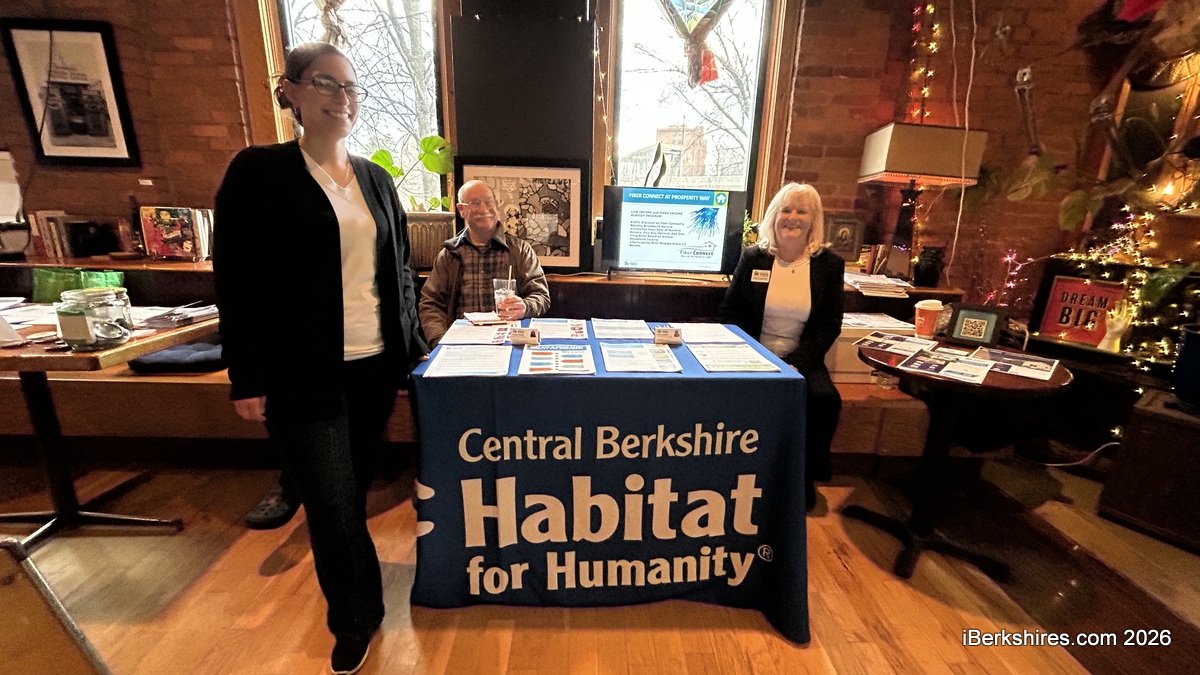 PITTSFIELD, Mass. — Environmentalists want people to know that reducing emissions can start in the home.
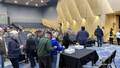
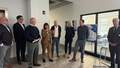
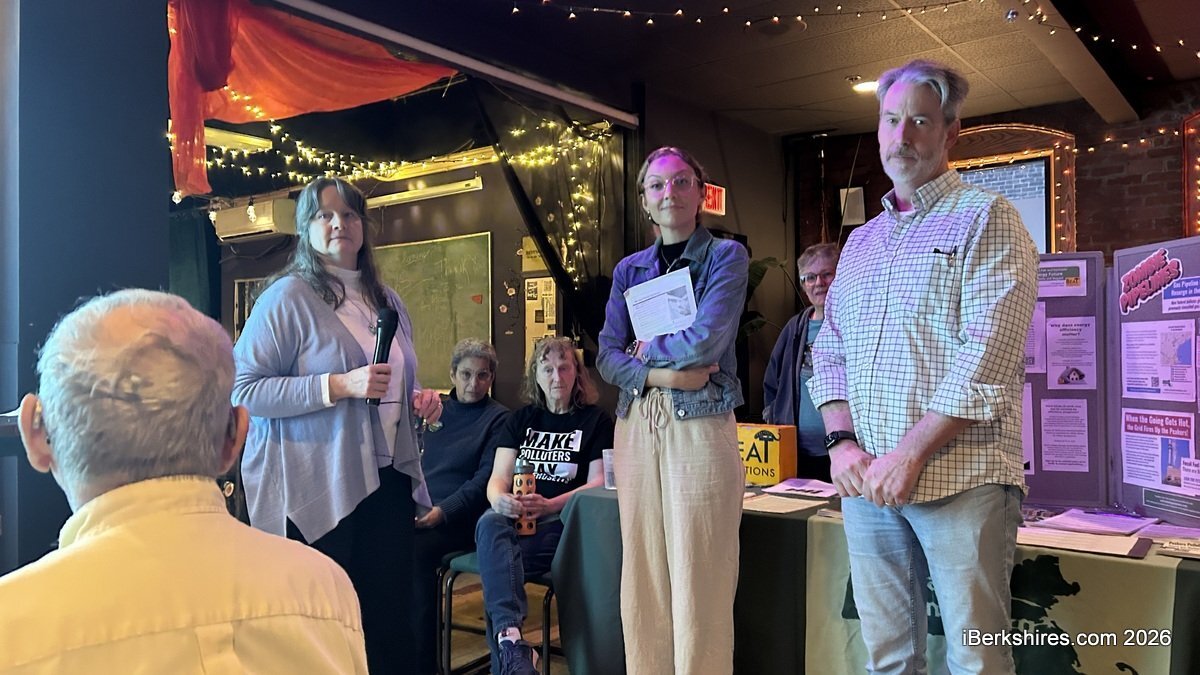
Earlier this month, 350Mass Berkshire Climate Action held a "Bringing Climate Action Home" event to highlight energy-efficient home renovations and construction. They heard from Wendy Brown, owner/architect at Terra Design-Build, Joe Carry of Decumanus Green Design-Build, and Amanda Parker from the Green Energy Consumers Alliance.
Brown, one of the original members of 350Mass, explained that, in 2014, the group learned that NASA scientist James Hansen found that, if humanity wants to preserve the planet, atmospheric carbon dioxide needs to be reduced to 350 parts per million.
We are currently at about 430 PPM.
"Forty percent of greenhouse gas emissions come from the built environment, which means we can make some changes with our buildings," Brown said to attendees at Wander on April 7.
She explained that green building can look like considering the walkability of a neighborhood to reduce vehicle emissions, solar access, smaller homes, and ensuring the home is sealed from the bottom up to consume less heating and cooling energy.
Carry has been involved in the green building movement since 2007. For a while, he said it seemed that things were getting better and better, but that is no longer the case.
"The task was huge, but the laborers were many, and things were moving in the right direction, and then all of a sudden, the brakes were slammed on, and it feels like we're going backwards," he said.
"The EPA is no longer allowed to call greenhouse gases pollutants. There's crazy things going on. Obviously, all of you feel passionate about the planet, and I imagine with me, at times, you feel like 'What the heck?' so to look for every opportunity to remain hopeful, because we've got to keep going. We've just got to keep going."
He said gatherings such as this give him hope, and pointed to other hopeful factors such as the growing affordability of lithium batteries since the 1990s and global solar production.
"People recognize the problem in most of the world, most of the developed world, and are working on it and making huge progress, so I hang my hope on that," he added.
The presenters spoke about Mass Save, an initiative by which the state's natural gas and electric utilities provide energy efficiency services, rebates, and incentives that is funded by a surcharge on utility bills.
"Basically, you get your house audited, they decide what it needs, and then the work is given out to a contractor," Carry explained about the program.
He said his company's typical job is between $3,000 and $4,000, and with MassSave, customers pay between $800 and $1,200.
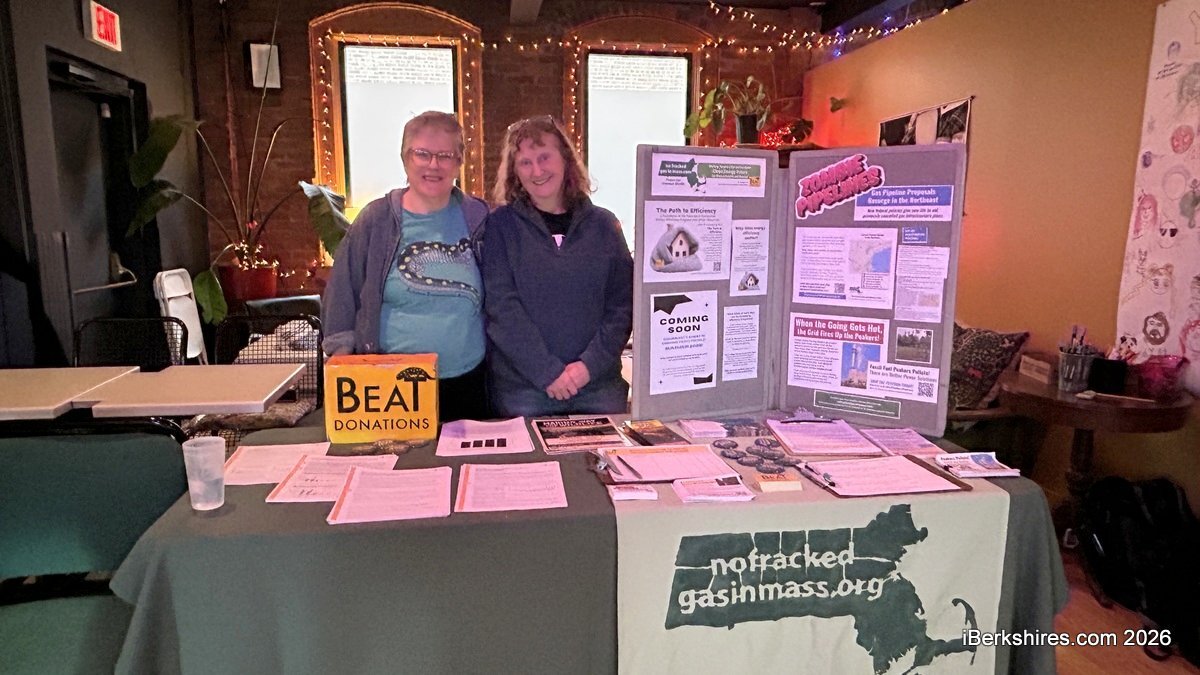
Rosemary Wessel, of the Berkshire Environmental Action Team, said her team is working on a MassSave guidebook to direct people around the website and through the process. It will be coming out this summer.
Parker spoke about emerging clean energy technologies. he nonprofit is based in Cambridge and Providence, R.I., with a mission to empower consumers and communities to speed the transition to a zero-carbon world.
She pointed out that Massachusetts, through MassSave, has incentives for whole-home heat pumps as a heating system, as well as a heat loan program.
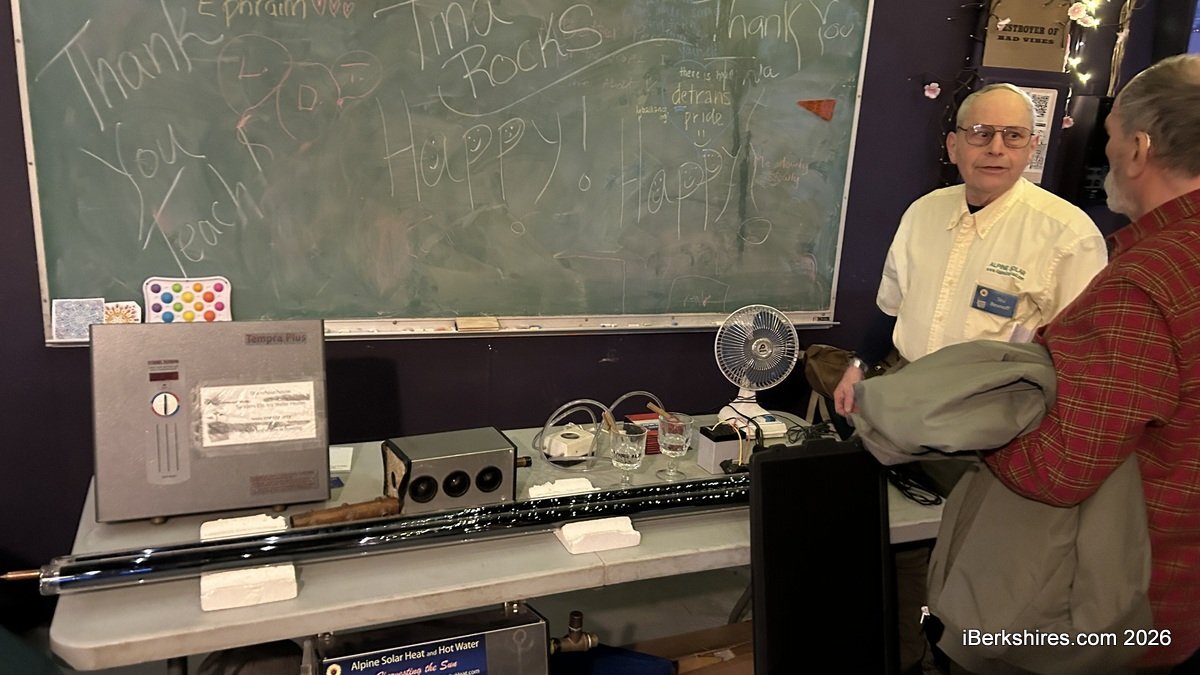
With help from a state grant, the Green Energy Consumers Alliance was able to research emerging clean technologies and identify the main barriers and opportunities for low-income households and renters. They studied smart thermostats, battery storage, induction stoves with built-in batteries, window and battery-enabled heat pumps, and plug-in solar.
"In terms of what we found most equitable near-term solutions, we're really interested in exploring pilot programs for portable batteries, smart thermostats, plug-in solar and window heat pumps," Parker explained.
Pat Konecky explained that 350Mass Berkshires is one of 17 local chapters that make up 350Mass, which is part of a larger coalition of statewide climate and social justice organizations. Groups tabling at the event included BEAT, Citizens, Climate Lobby, and Central Berkshire Habitat for Humanity.
Tags: green building,