image description

Pittsfield Audit Committee Begins Work

By Brittany PolitoiBerkshires Staff
Print Story | Email Story

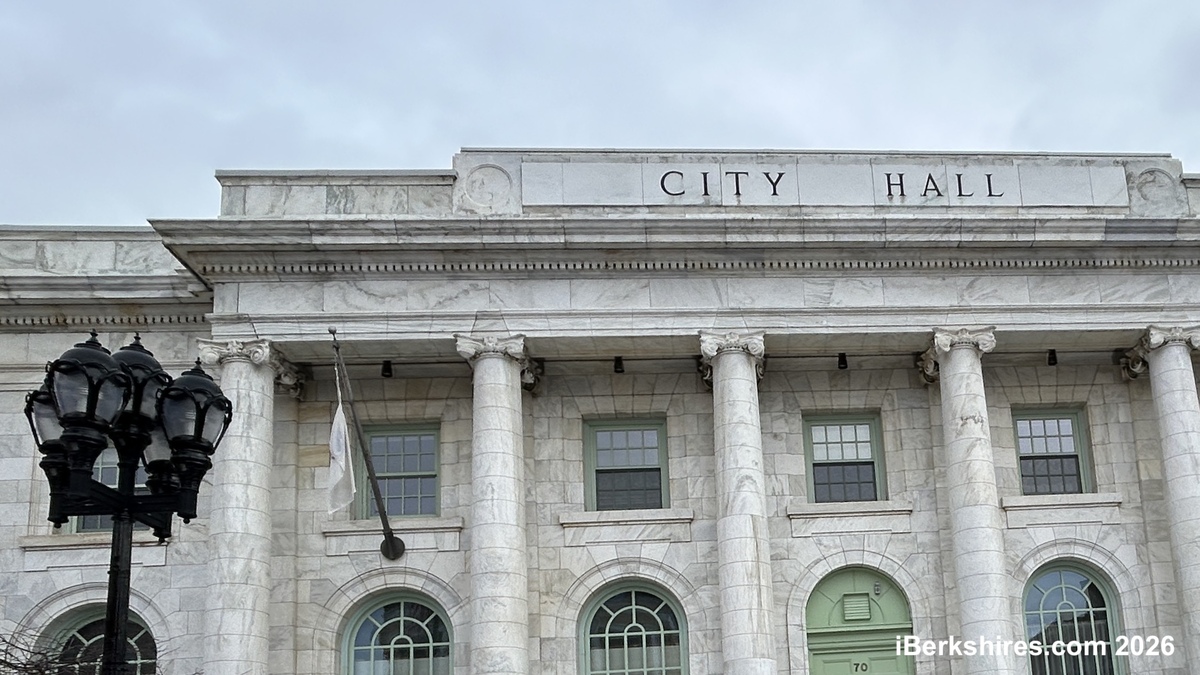
PITTSFIELD, Mass. — The city received two bid responses for an independent audit, and a recommendation will be made later this month. 

Last week, the Auditing Services Evaluation Committee, enacted through the Finance Committee, elected its leadership and laid out next steps in the procurement process for an independent city audit. 

Ward 2 Councilor Cameron Cunningham was elected as the chair. Members of the committee also include Councilors at Large Pete White, Kathy Amuso, and Earl Persip III, as well as former councilors Karen Kalinowsky and Yuki Cohen, and residents Richard Backer and Paul Procopio. 

This process was prompted by Rule 40 of the council rules and the City Charter. 

In Rule 40, any year when the City Council votes to hold a competitive procurement process for an independent certified public accountant or firm to audit Pittsfield's books and accounts, the city must, through its Finance Committee with the assistance of the purchasing department, solicit requests for proposals or invitations for bids before June 1. 

The council in March recommended that the purchasing agent draft a request for proposals and put it out to bid. 

This subcommittee is responsible for reviewing municipal auditing proposals and procedures. 

Ward 1 Councilor Kenneth Warren explained that two auditors responded to the RFP with multi-page proposals explaining their backgrounds, qualifications, and references.  He has called for an independent audit for some time and was the petitioner. 

That information will be reviewed and scored by all members, and the panel will reconvene later this month, with hopes of submitting a recommendation to the council in August. 

Purchasing Agent Colleen Hunter-Mullett outlined the process in an email to the committee, along with a scope of work and blank evaluation forms. Reference checks have been completed for both applicants. 

The group has to decide if they want to conduct oral interviews or presentations, which would be televised and open to questions from committee members. The committee could also evaluate the proposals based on just the information received. 


Warren said he wants to decide on interviews after the proposals are reviewed in case one is significantly better than the other.  He said he would be leaning towards interviews if they are close. 

"I just don't want to waste their time, and also, like I said, it would be counterproductive if one is head and shoulders above the other," he said.  

Amuso agreed that it is best to decide on interviews at the next meeting when all of the data is reviewed. 

At the end of the evaluation form, there is a composite rating section where committee members summarize the overall rating of each proposal using the words "highly advantageous, advantageous, not advantageous, or unacceptable." 

Hunter-Mullett wrote that this is a very subjective process, and "You'll find in the end that everyone sees something different when reviewing proposals." Those two evaluations will be sent to her, and she will then open price proposals and communicate the prices received. 

The RFP process does not require that the city award the contract to the lowest-priced proposal; the most qualified firm will be selected. 

Warren argued that if they are neck and neck and one is substantially less than the other, he is going to consider cost. 

"I just want to make it clear that it's just not taking the most qualified, regardless of the price," he said. 

"If there's like a $200,000 difference, we need to consider that." 


Tags: audit & evalu committee,   
If you would like to contribute information on this article, contact us at info@iberkshires.com.

Berkshire Market Continues to Defy Broad Headlines

By Sandy CarrollGuest Column

The good news — residential sales rose countywide 7 percent, dollar volume rose 14 percent. 

If there's one takeaway from our full 2026 Q2 Market Watch Report, it's this: all real estate is local.

National economists can provide context, but they rarely tell the full story of what's happening here in Berkshire County. In fact, this year's numbers reinforce just how important it is to look beyond countywide trends and into individual communities.

After a slower first quarter, the market found its footing. Through the first six months of 2026, residential home sales increased 8 percent while dollar volume climbed an impressive 14 percent, reaching nearly $257 million in closed sales. Median sale prices also continued their steady upward trend, reaching $360,000 countywide.

The strength of the market, however, wasn't evenly distributed.

Middle and South Berkshire led the way with gains in both sales and dollar volume, while North Berkshire experienced a modest decline in residential activity overall. Yet even within those regions, individual towns told very different stories. Some communities experienced significant growth while neighboring towns slowed considerably — another reminder that real estate decisions should always be based on local market knowledge rather than broad assumptions.

 As our inventory levels shift, and in some months our absorption rates look to be heading toward a more balanced market, it is important to look at the price ranges where listings are selling, versus where we have a lot of inventory. The steady pace of the second quarter has created a very hectic market in the field, with agents running non-stop to manage their client demands. With a slightly lower pending sales rate heading into the third quarter but still a frenetic pace in the market, it's hard to project what the third quarter will bring.  It's also important to dig into town trends, as that is definitely an interesting and varied part of the market that this generalized data doesn't easily reveal.

Outside the single-family market, conditions remain mixed. 

Condominium and multifamily sales softened compared to last year, commercial sales remained modest, while land sales showed encouraging improvement after several challenging years. Mobile homes also continued to provide an important affordable housing option and posted solid gains during the first half of the year.


Perhaps one of the most encouraging trends is inventory. While still well below historical norms, available housing continues to improve gradually. Berkshire County remains a seller's market, but additional listings are creating more opportunities for buyers than we've seen in recent years.

Nationally, economists expect housing activity to strengthen during the second half of 2026 as inventory grows and mortgage rates stabilize. Whether those forecasts fully materialize remains to be seen, but locally we've already witnessed how quickly market conditions can change from one quarter to the next.

As always, this summary only scratches the surface. Our complete Market Watch includes town-by-town statistics, historical trends, appreciation data, and detailed reports for every major property type. Whether you're buying, selling, investing, or simply keeping an eye on the market, those local details often tell the most important story.

Full PDF Editions: 2026 Q2 Market Watch Report

Sandy Carroll is CEO of the Berkshire County Board of Realtors.
 

View Full Story

More Pittsfield Stories