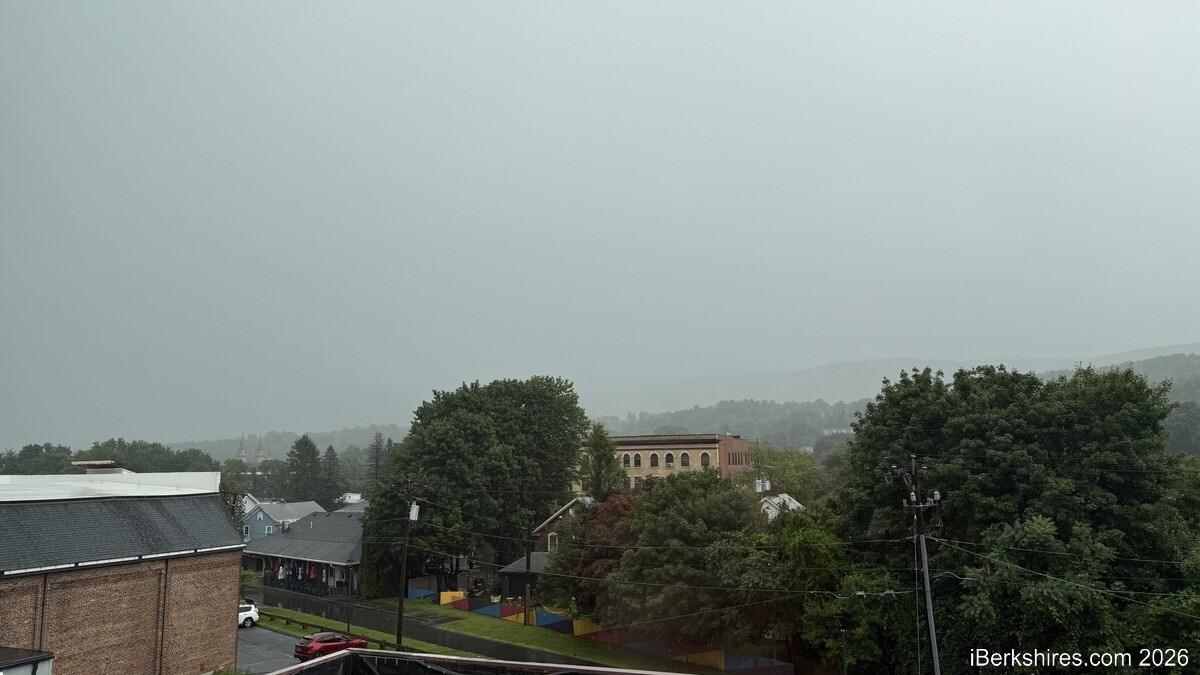
Historic Mausert Block Enters New Era After Years of Vacancy
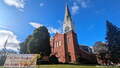
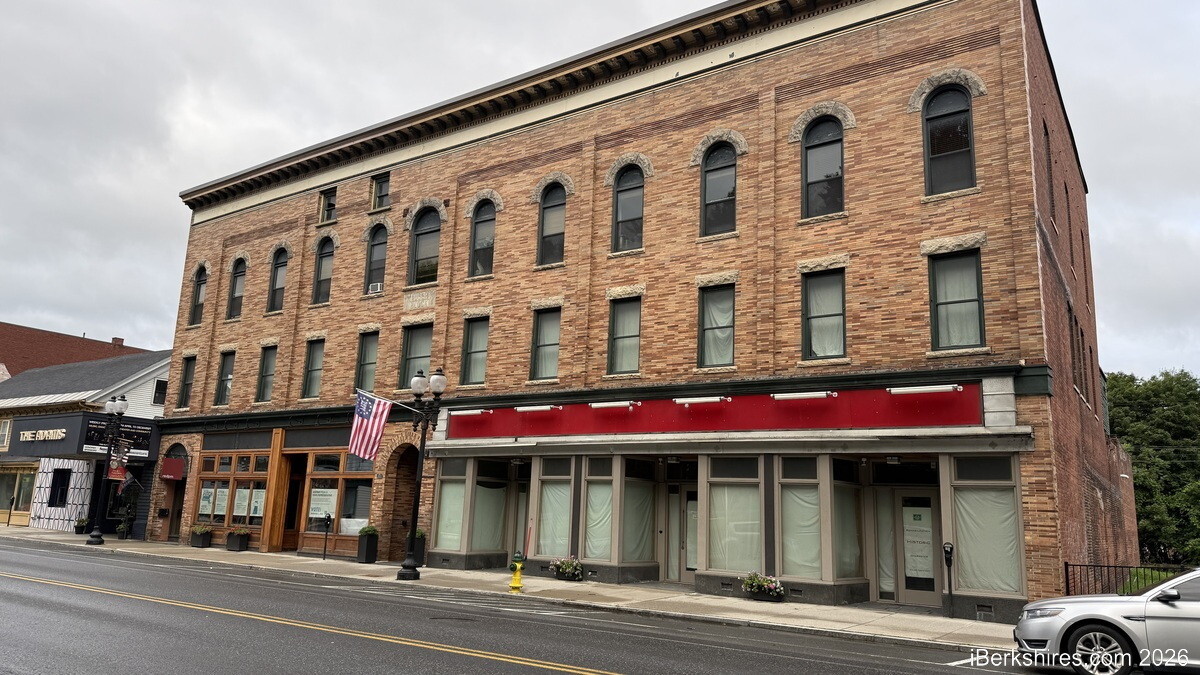
ADAMS, Mass. — For more than a century, the Mausert Block has weathered several tribulations from a fire in 1903, several ownership changes, and economic shifts that left it vacant for years.
Now, recent renovations are bringing this building into the 21st century, which, hopefully, revitalizes downtown.
In 2011, Braytonville Properties LLC purchased the Mausert Block for a low price of $60,000 — about 90 percent less than it sold for just four years earlier. Since then the real estate holding company has renovated the space with property management firm REDPM.
The three-story commercial building was constructed in just eight months in 1900 and, by 1901, was home to five businesses, second-floor offices and a third-floor dance hall used by a secret society.
Then in 1903, a gas pipe burst, causing extensive damage to the building. The property was then purchased and renovated by Clarence Gallup of North Adams in 1906. He planned to reopen it.
The building was sold several more times. It avoided demolition during urban renewal in the 1970s, was condemned twice, and sat vacant for several years until now.
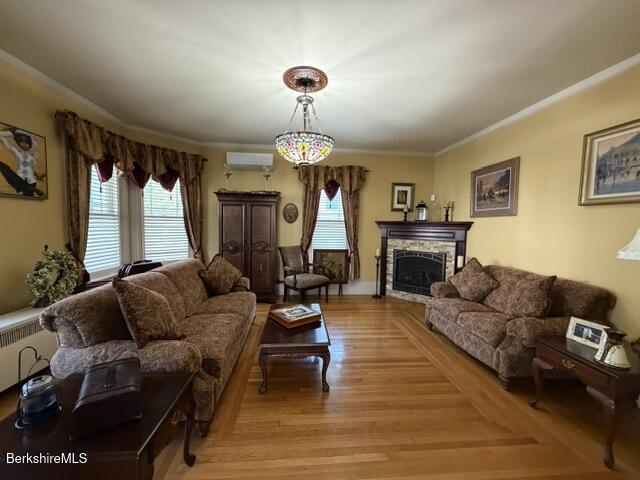
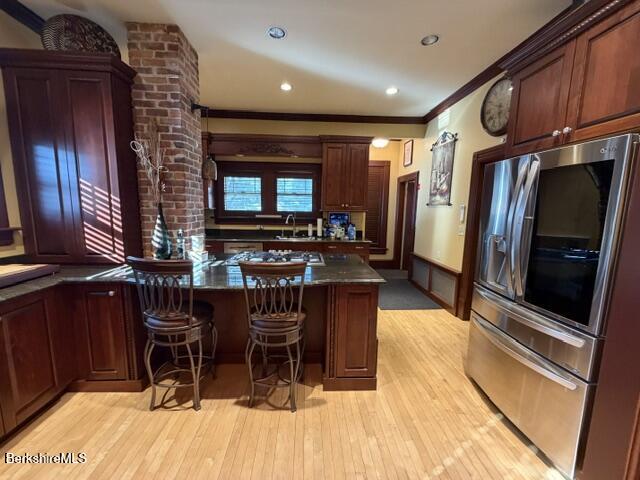
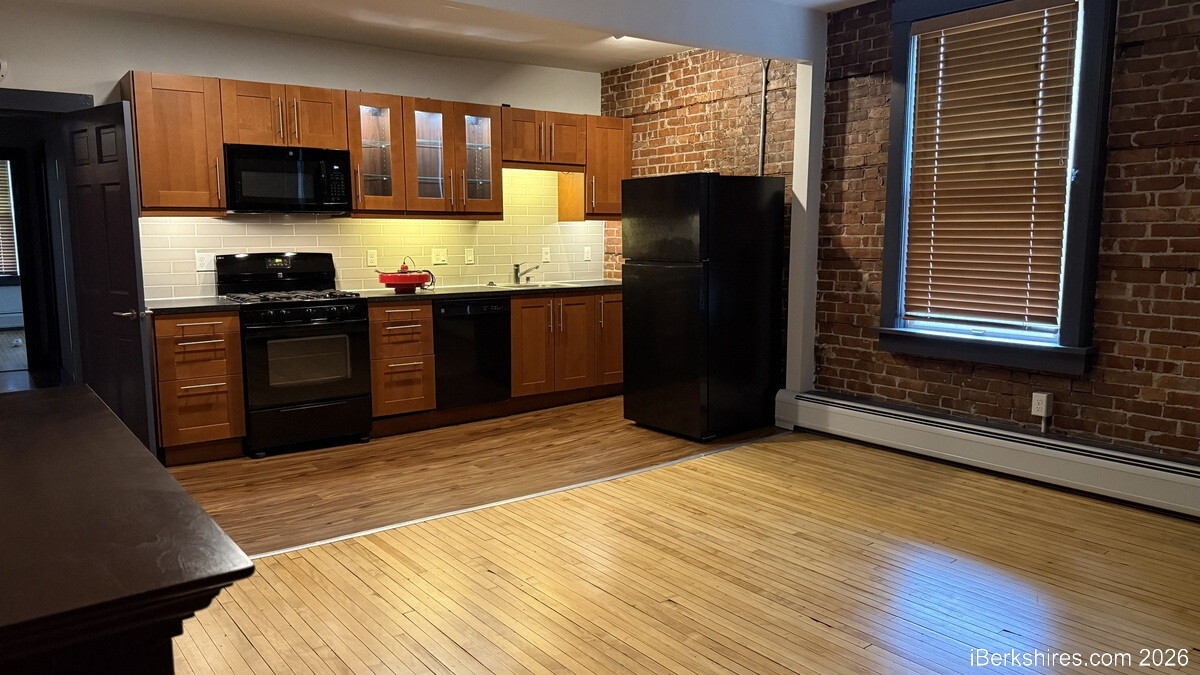
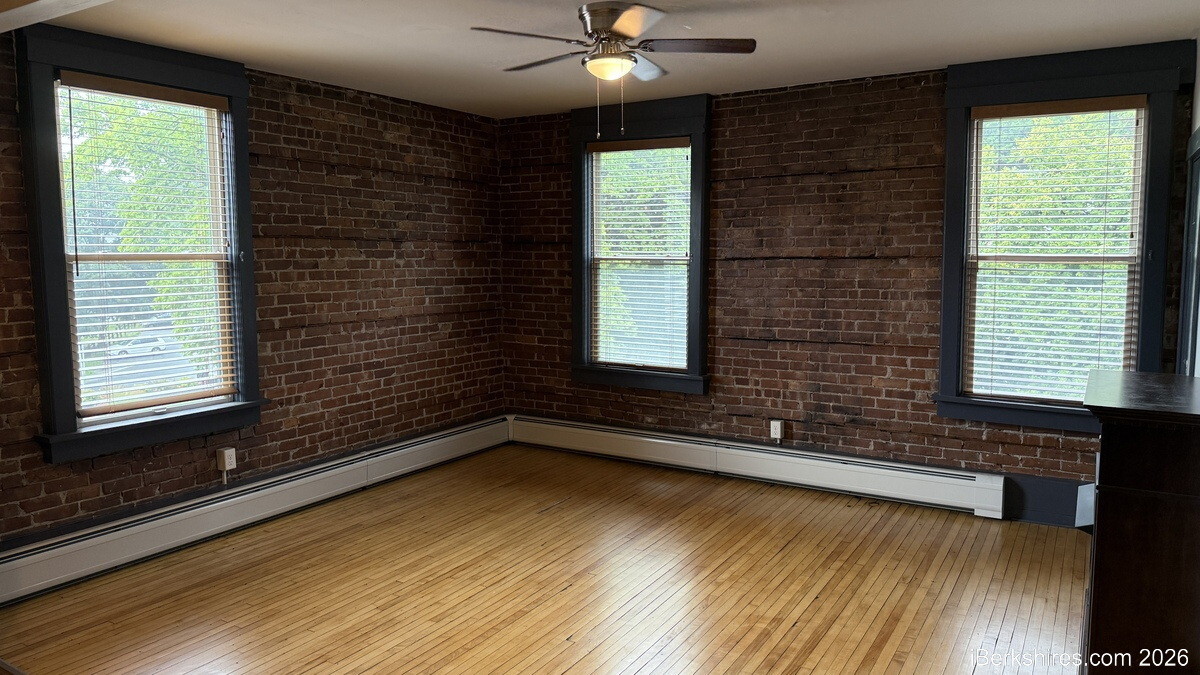
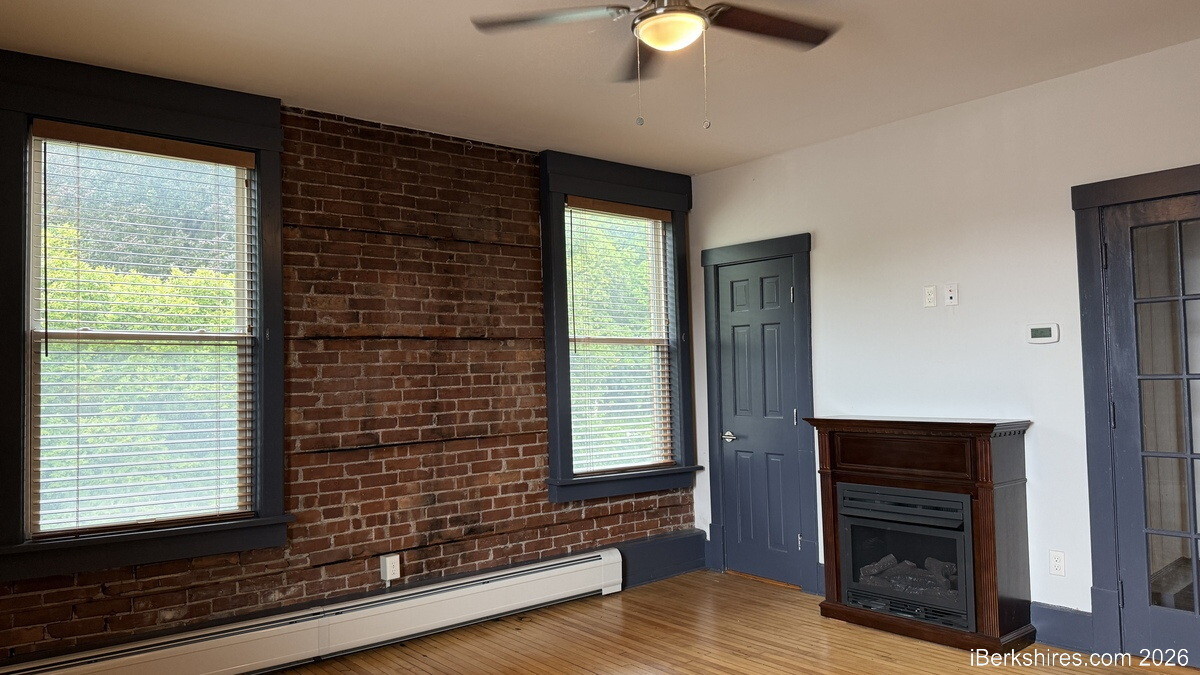
The outside maintains its historic character from the arched windows, decorative stone trim, and a bracketed cornice, while the inside has been transformed into restaurant and housing space that combines restored historic details with modern safety and security systems.
However, the process of getting to this point has faced almost as many challenges as the building itself, from navigating regulatory requirements over the sprinkler system, securing financing, which took two years until MassDevelopment and later Franklin County CDC stepped in, two restaurants pulling out of the project, and a pandemic, architect Stephen Stenson said.
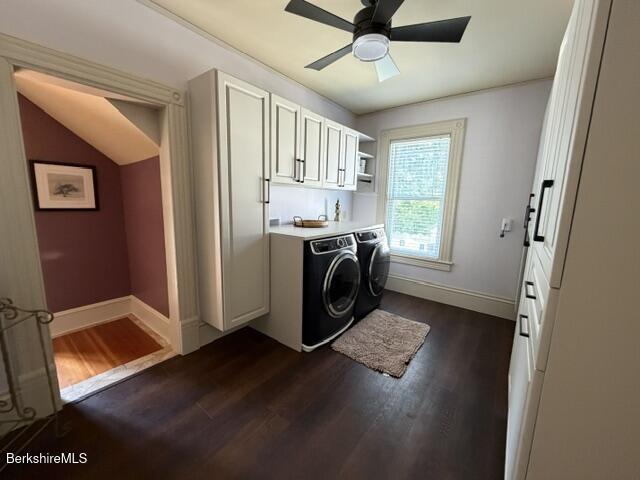
Despite this, the overhaul of 21 Park St, is complete with all 10 two-bedroom apartments nearly rented. There are also three units on the second floor available for rent that will be move-in ready in September, he said.
"There's lots of housing available, but there's not enough quality, and that was the one thing we identified way, way back then," Stenson said, also highlighting the organization's previous affordable housing project geared more towards families on Columbia Street.
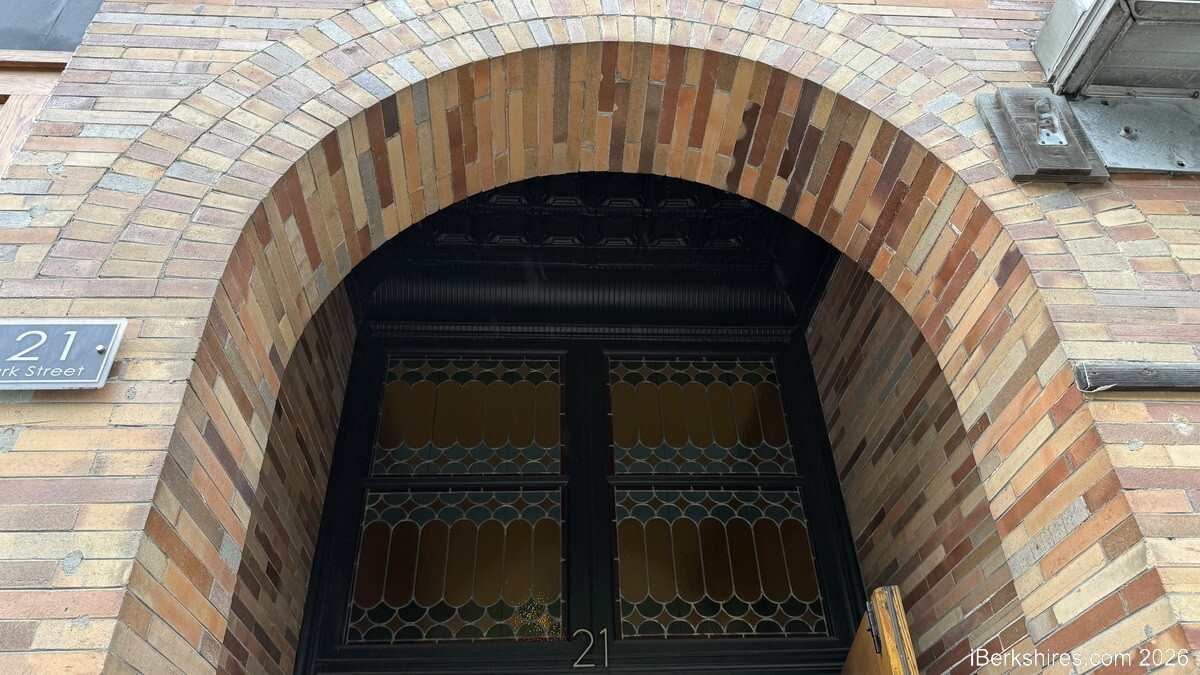
Prior to even entering 21 Park St., the restoration is immediately evident with a stained-glass panel, a replica of the original, framed by a sweeping brick arch, and overhead, the restored black tin ceiling with an embossed pattern.
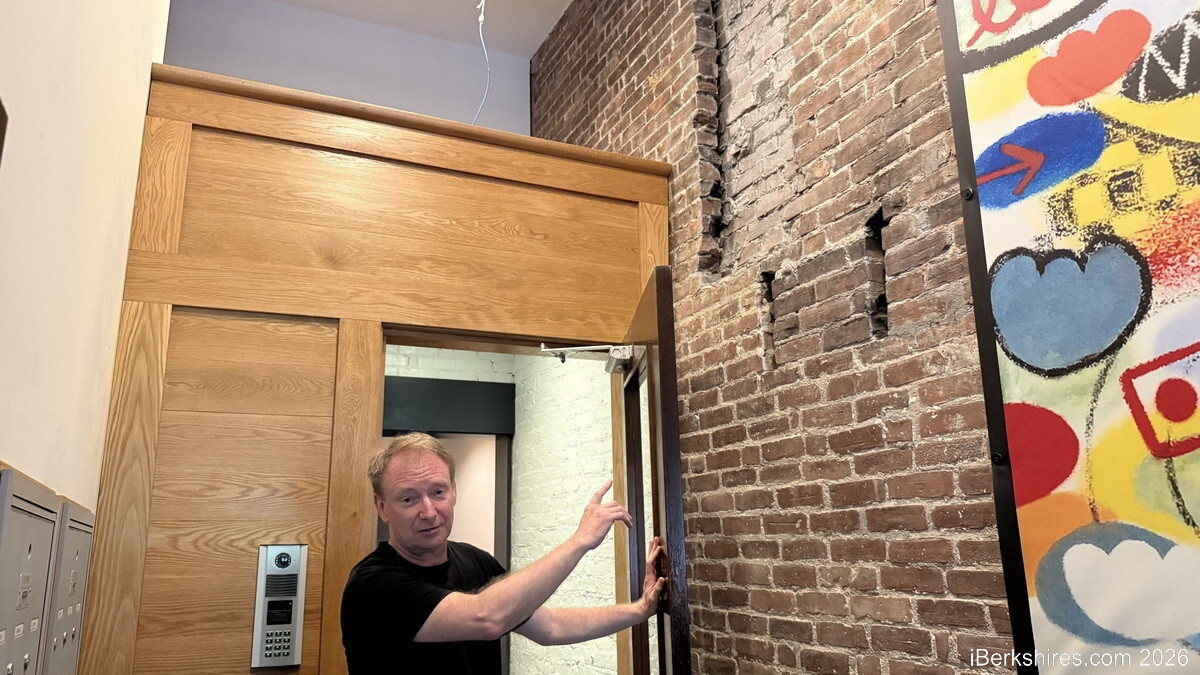
Inside, the staircase that once dominated the entrance has been removed, making way for a secure entry system where visitors can be buzzed in by residents.
"We brought it up to the 21st century, and then some ideas to bring it even forward…including each of the apartments now has got EV charging stations on the outside, so you can actually have an EV vehicle and you can service it from your apartment," Stenson said.
Despite the modernization, there are still many nods to the building's history, including a green carpet with an inverted version of F.W. Woolworth's logo.
In 1925, F.W. Woolworth opened a five-and-dime store in the building, becoming the longest-running and most notable business to occupy the space. The store remained there for about 60 years.
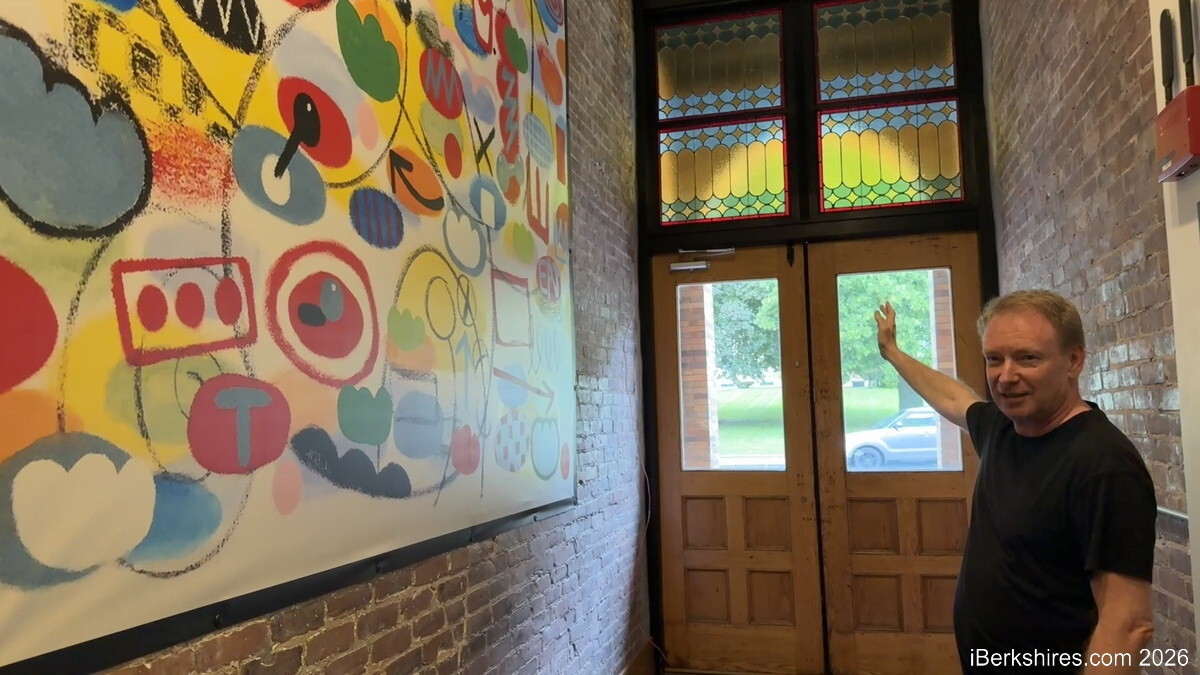
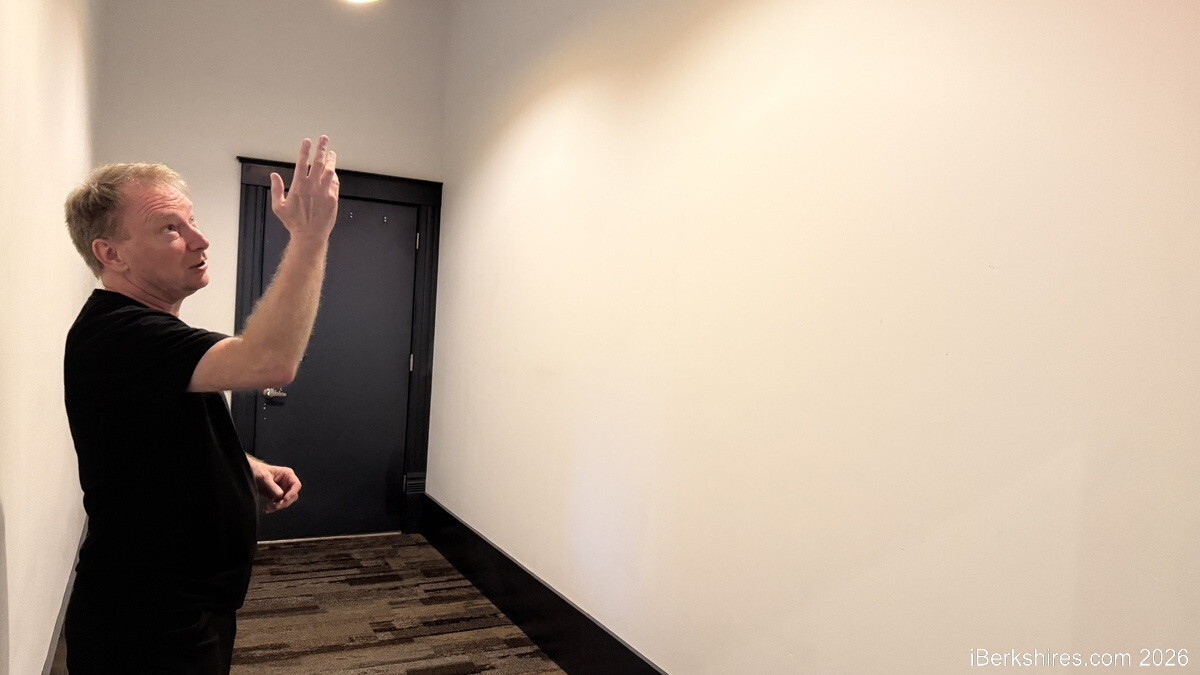
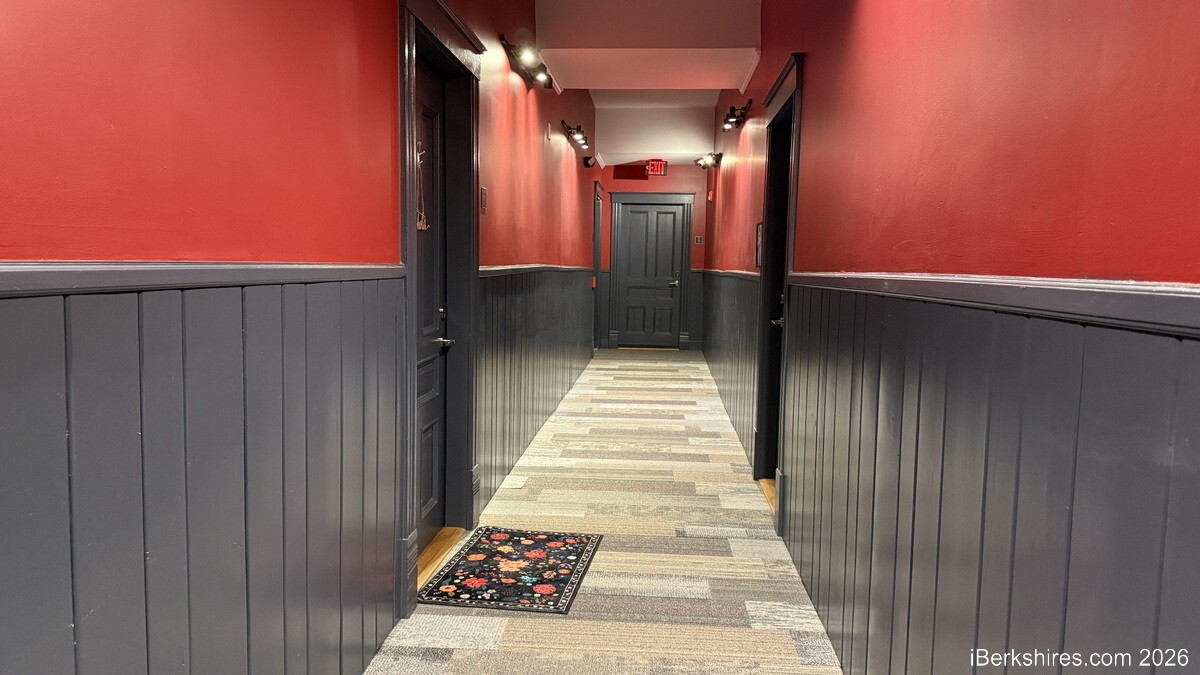
From there, a hallway—created from space that was once part of the adjacent restaurant at 19 Park St.— leads to a second entrance that opens into a lobby at the rear of the building.
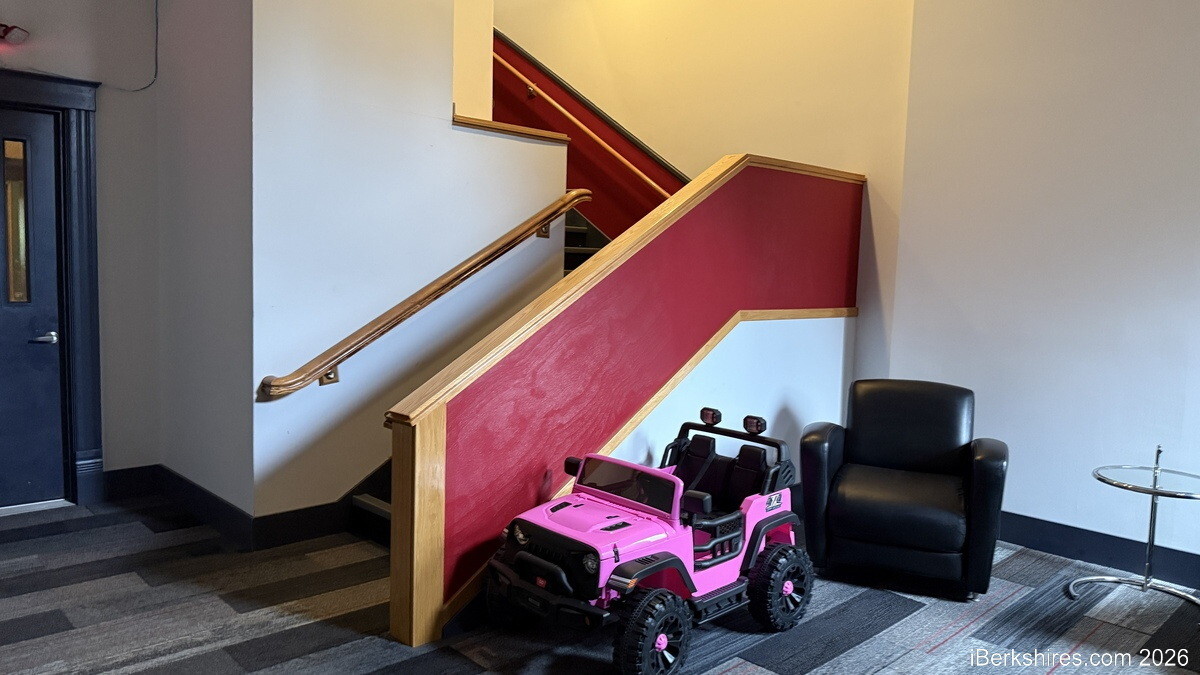
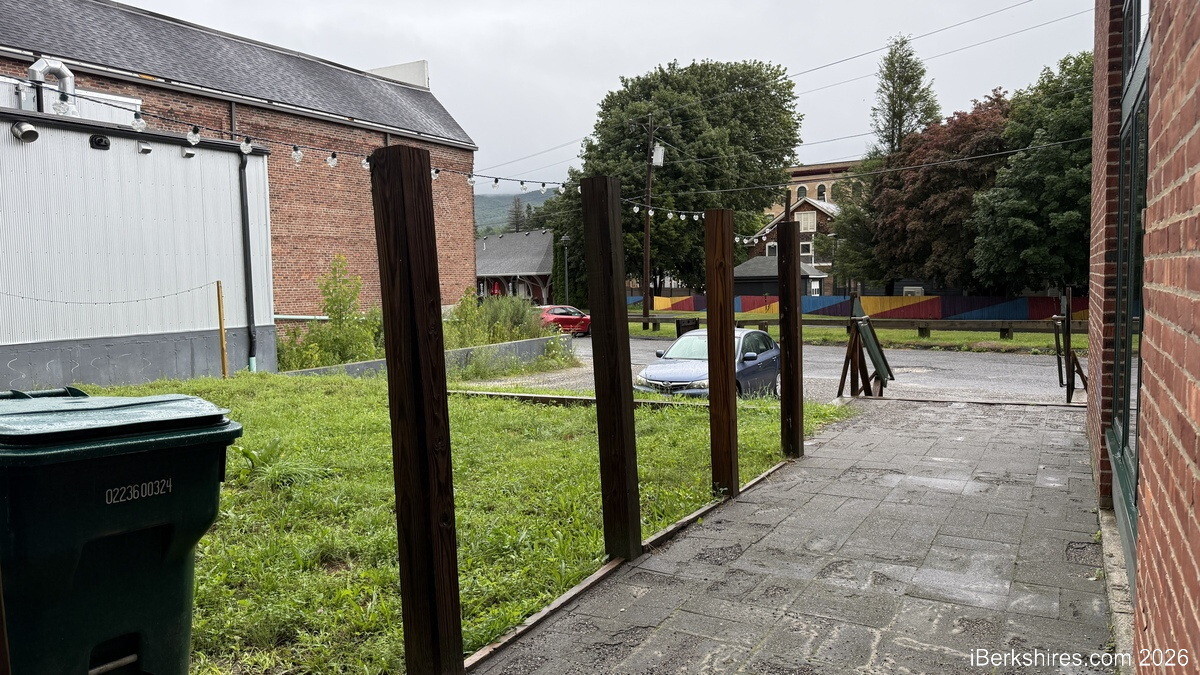
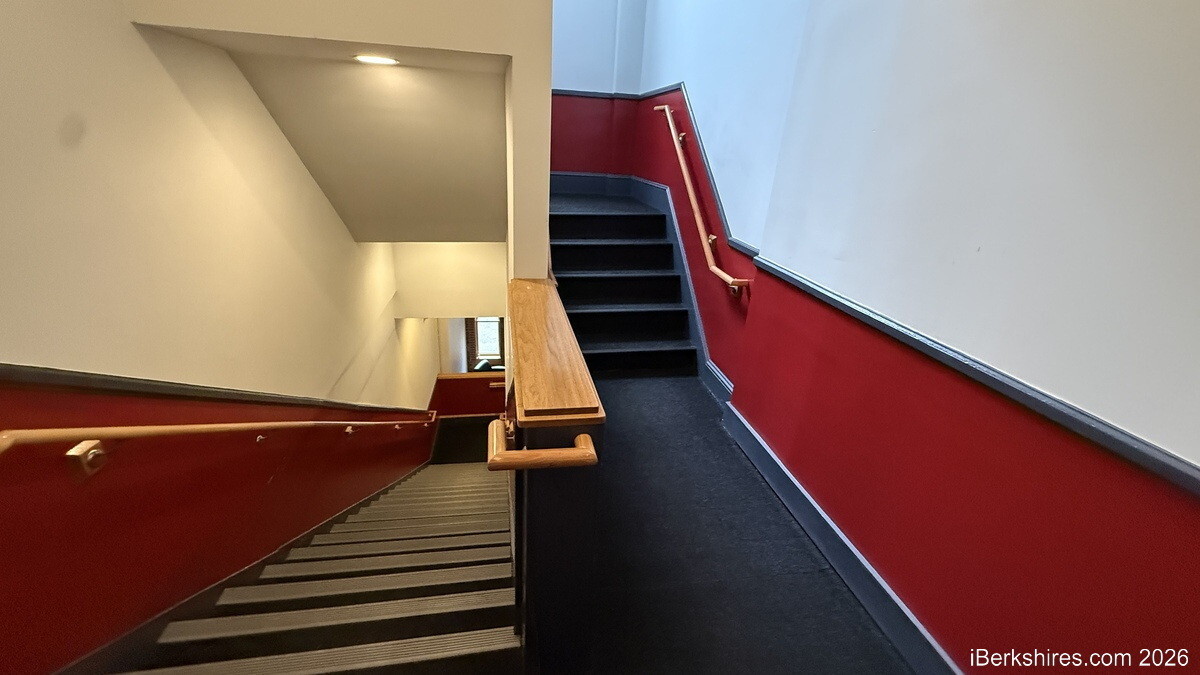
The lobby features a back entrance that borders the Ashuwillticook Rail Trail, has an open common area, and a winding staircase that connects to the building's original staircase, providing access to the second-floor apartments.
The building's history is woven throughout the renovation. Stenson and his team made preserving original architectural features a priority, salvaging historic railings, doors and woodwork wherever possible, Stenson said.
At one point, two rooms were filled with reclaimed wood—enough material to restore roughly 10,000 square feet of the building's residential spaces, he said.
Work on the adjacent restaurants at 19 Park Street is underway, with the wall framing installed. The space is designed to address the evolving demographic, post-COVID environment, changes to the industry, and needs of the community, Stenson said.
Stenson can remember a time where there were half-a-dozen restaurants on Park Street; now there is practically none, especially ones open late, he said.
"These guys are concentrating on lunch and dinner. They're going to be open till 9, 10 o'clock, which will make a huge difference," he said.
The hope is to complete the remaining work this fall, when 19A and 19B Park St. will welcome two new businesses: Zep's Pizzeria, owned by Seth Martin, and The Burrito Bowl, owned by Timothy Samson.
When Stenson put out the request for proposals, he knew that the restaurants would need to meet the needs of Adams.
"You can't design it for somewhere like North Adams, even. So, you look for a product that you know is going to be affordable…it becomes accessible to more and more people…[and it's] good quality food," Stenson said.
The pizzeria will occupy 1,250 square feet with seating for 12 to 14 guests, while the Burrito Bowl will fill a 900-square-foot space with seating for about eight. Additionally, there will be some seating outside.
The flow of the space was made to align with the chefs' workflow and post-COVID realities, including compact kitchens where one person can run the operation and clear sightlines so staff can see the door, counter, and dining area. Since the pandemic, more people have opted for online ordering and take out, he said.
Once the restaurants open, tenants of 21 Park St. will be able to order from them and have their meals delivered to shelves outside the restaurants in a hallway that also serves as another entrance to the apartments — a service Stenson's son named “Floordash.”
Tags: Mausert Block,