Kids Have a Literal Blast at Flying Cloud STEM Camp
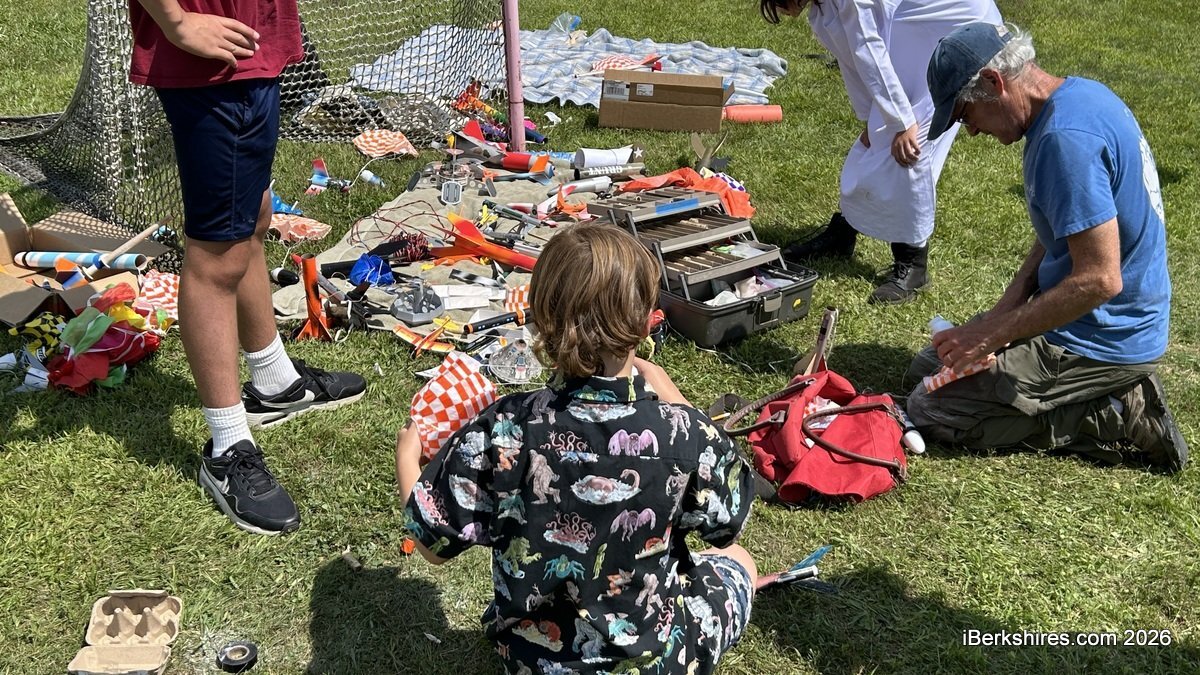
PITTSFIELD, Mass. — Kids had a literal blast at summer camp this week.
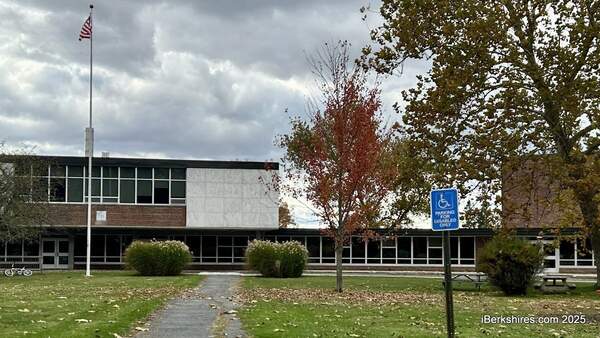
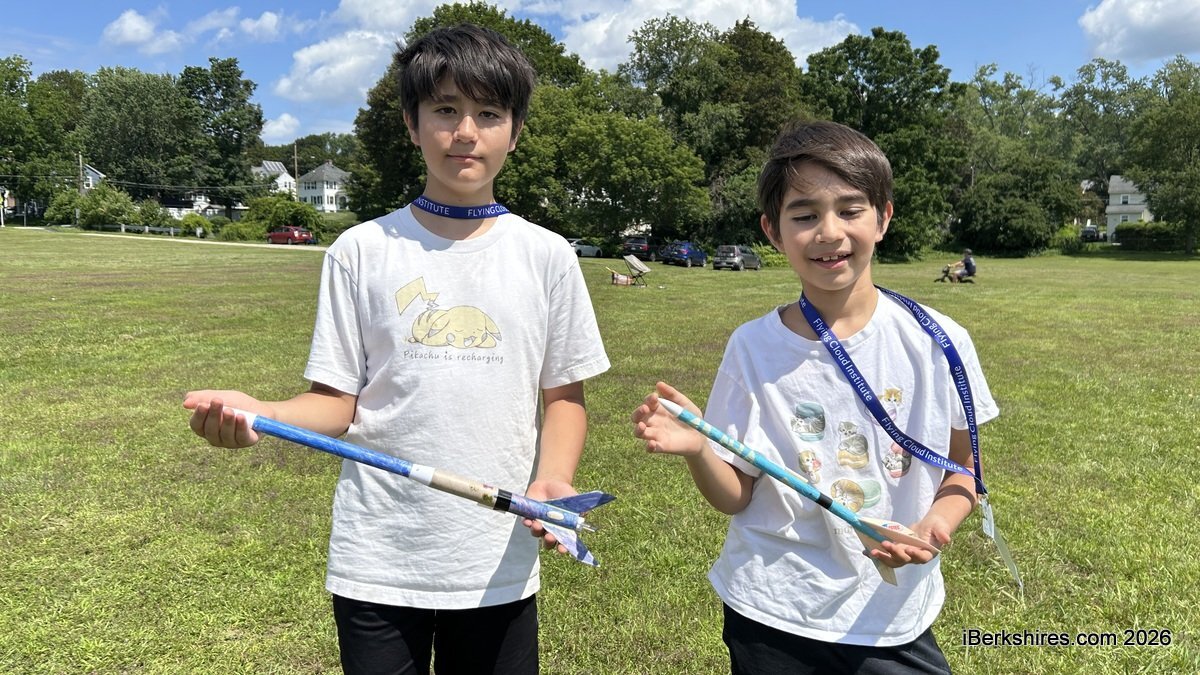
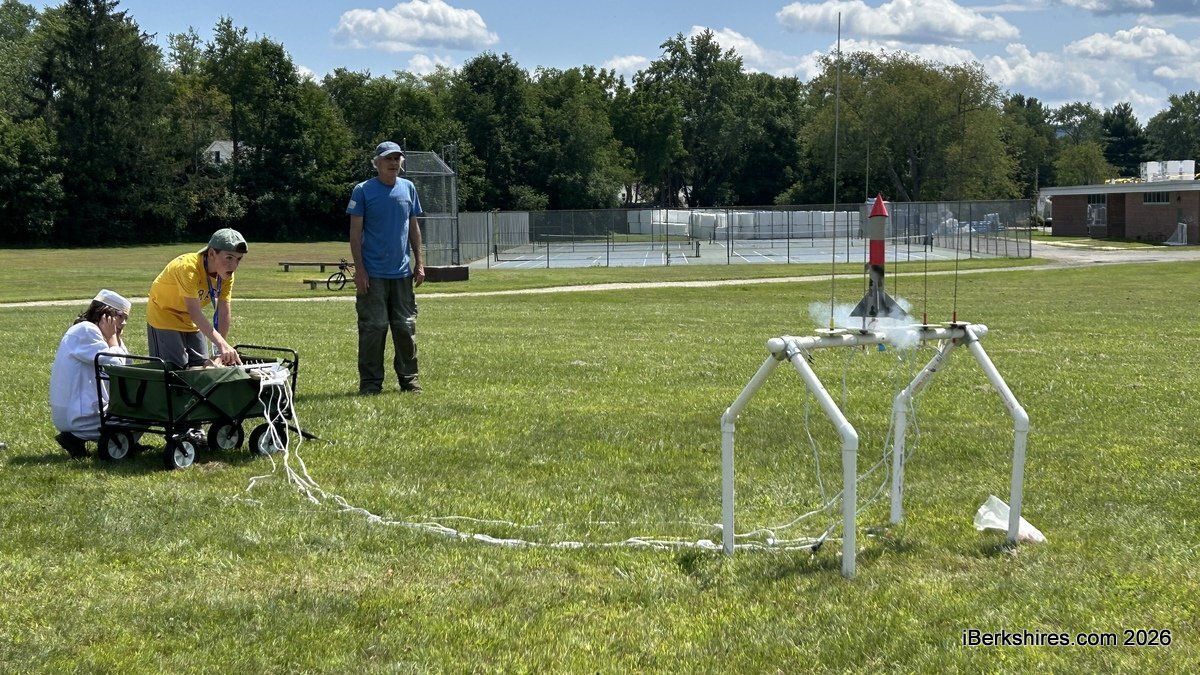
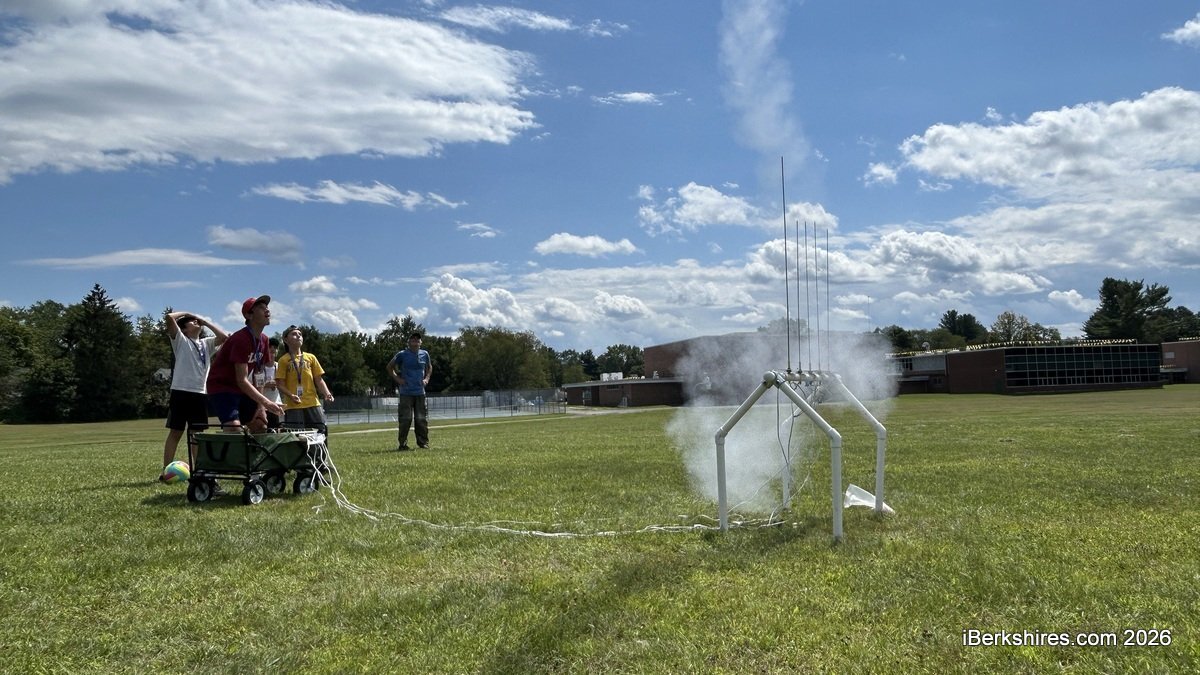
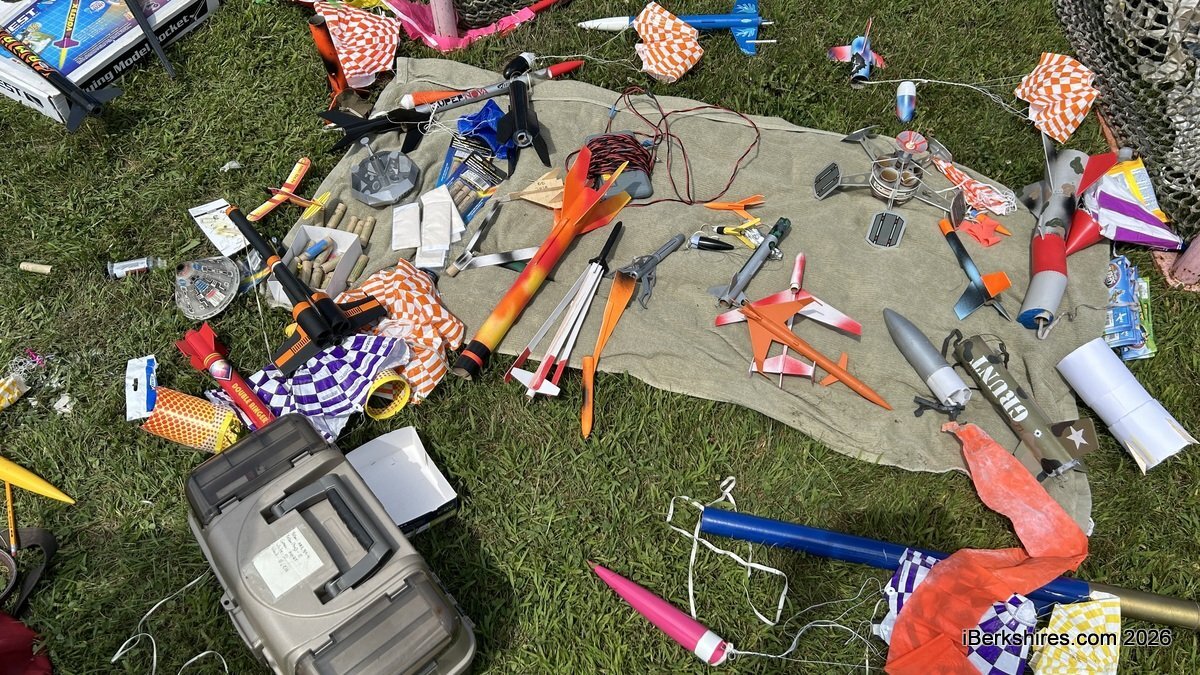
On Friday, students of the Flying Cloud Institute's Future Innovators Camp launched their model rockets at Herberg Middle School after a week studying the physics of flight.
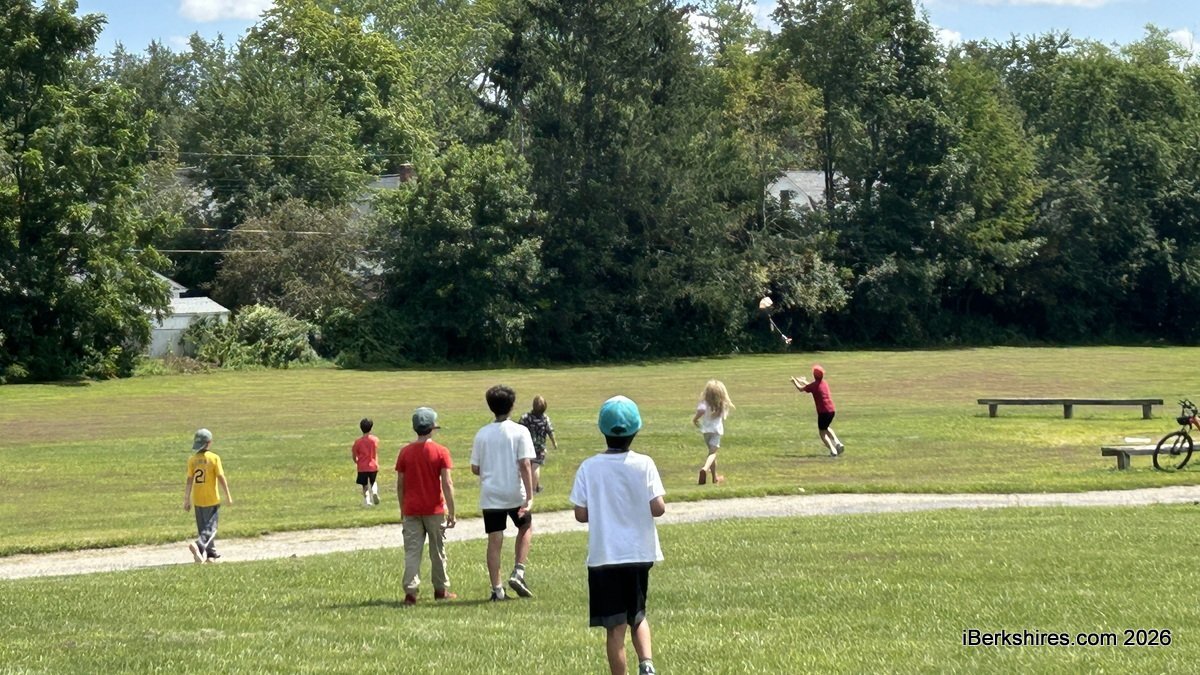
Campers raced across the field to catch the rockets as they parachuted to the ground after shooting into the air from a homemade launchpad. They spent the week at the Berkshire Innovation Center preparing for launch, taught by education coordinator Christian Drake and volunteer David Doyle.
"Basically the kids come for a whole week of learning rocketry, different forms of physics concepts," Flying Cloud's Development Manager Stephanie DuPont said.
"This year it was the physics of flight. Last year they did astrophysics, so each year there's a different topic."
Asa and Axel Clark attended the camp together and found the camp to be educational and hands-on, especially enjoying chasing and catching the rockets as they float back to the ground.
"I think this was a good start," said Axel, an aspiring engineer. "I learned a lot of new stuff, and it was really fun."
Parents popped chairs on the lawn as the campers showed what they learned.
Doyle, a longtime supporter, developed a partnership with Flying Cloud during the pandemic. He has been doing rocketry since middle school, and feels there is a lack of hands-on Science, Technology, Engineering, and Mathematics (STEM) education in schools.
They have covered everything from launching a hot air balloon to building gliders, and then the rockets that carry the gliders. Further, they learned about air resistance forces and how they impact the speed and stability of the rocket.
"I feel rocketry is one of the best ways to get kids introduced to physics and aerodynamics, and it's not super high cost, and safe," Doyle said.
"And I just think it has enormous potential for STEM education."
It's a really good start, he added, because when you get into advanced rocketry, there are pretty sophisticated challenges, but at this level, you're still talking about physics and forces and getting it down.
Tags: STEM,