Northern Berkshire United Way Kicks Off Annual Donation Campaign
 |
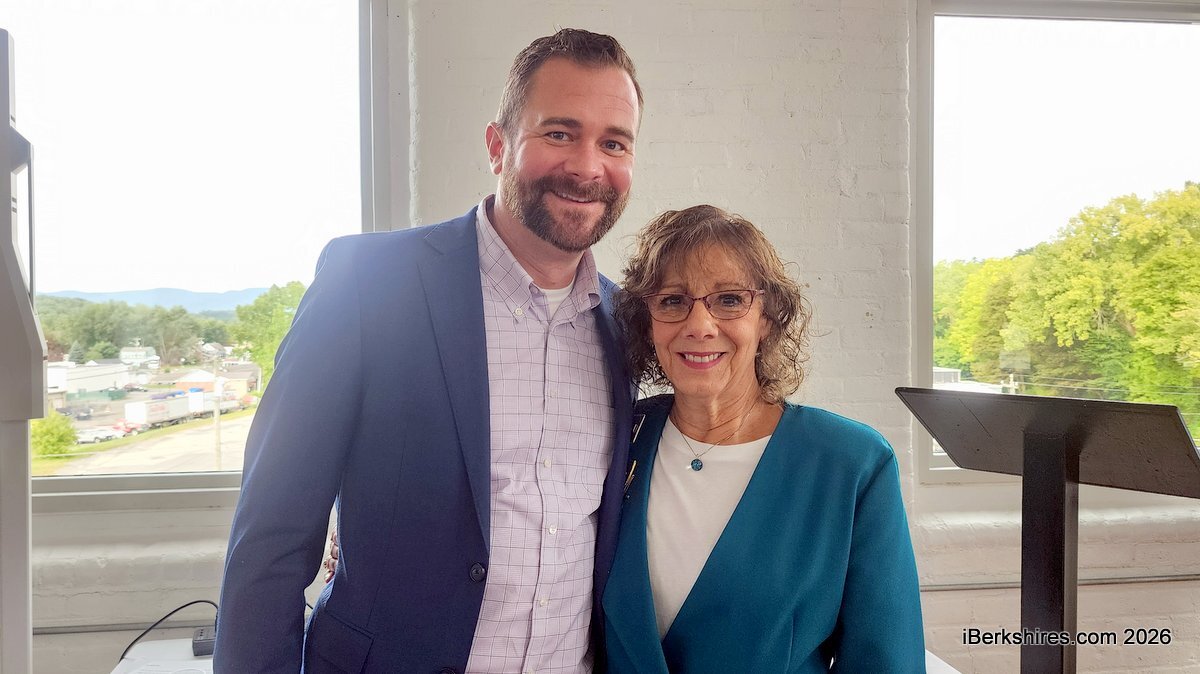
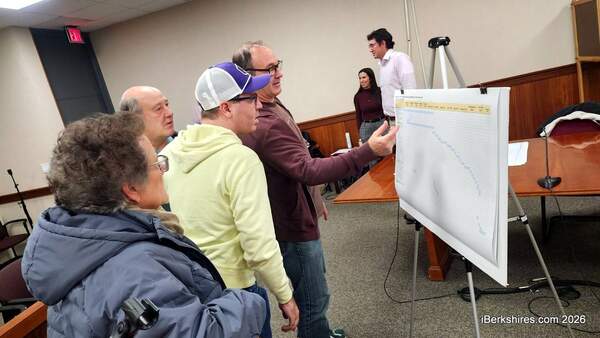
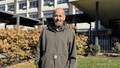
This year's campaign chair is Jake Dabrowski, seen here with Executive Director Patti Messina.
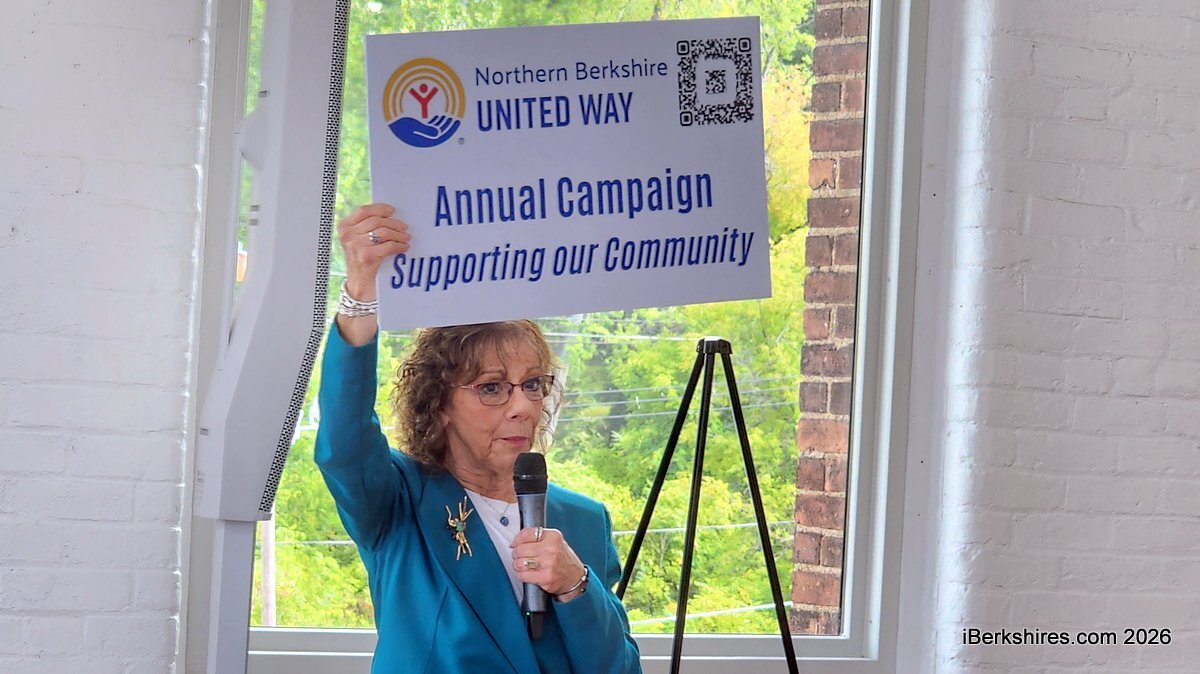
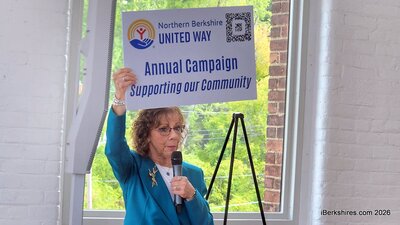
Executive Director Patti Messina held up one of the numerous signs that will be dotting the Northern Berkshire lanscape with a QR code to make donating easier on the go.
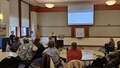
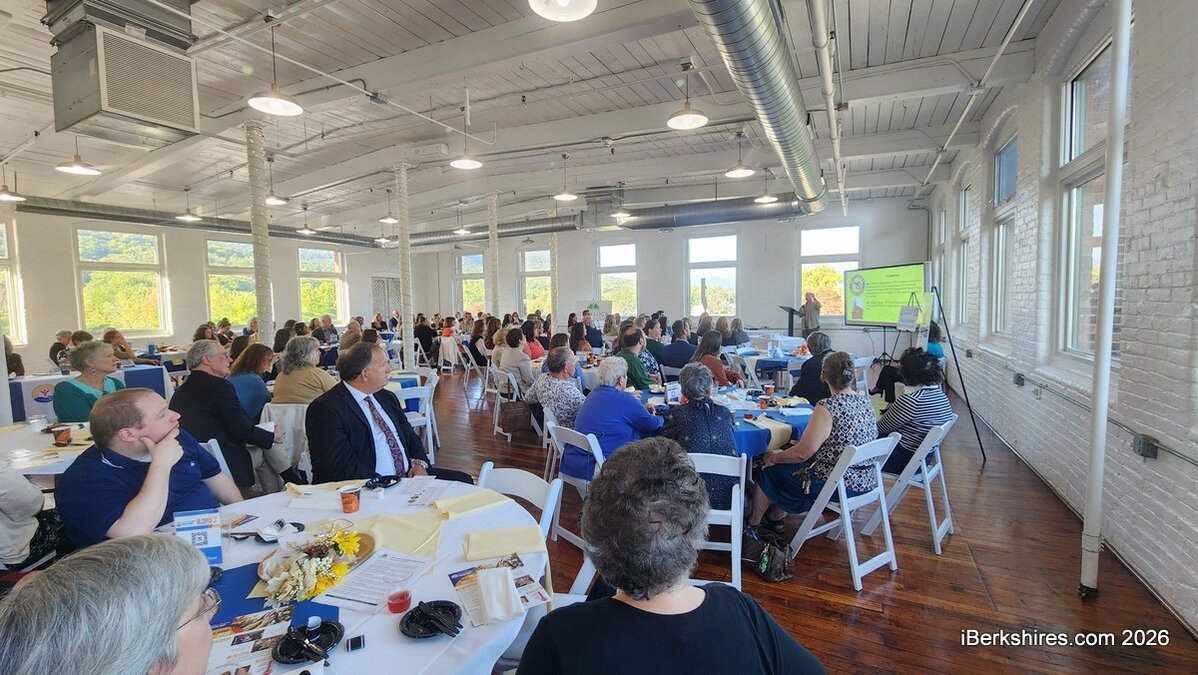
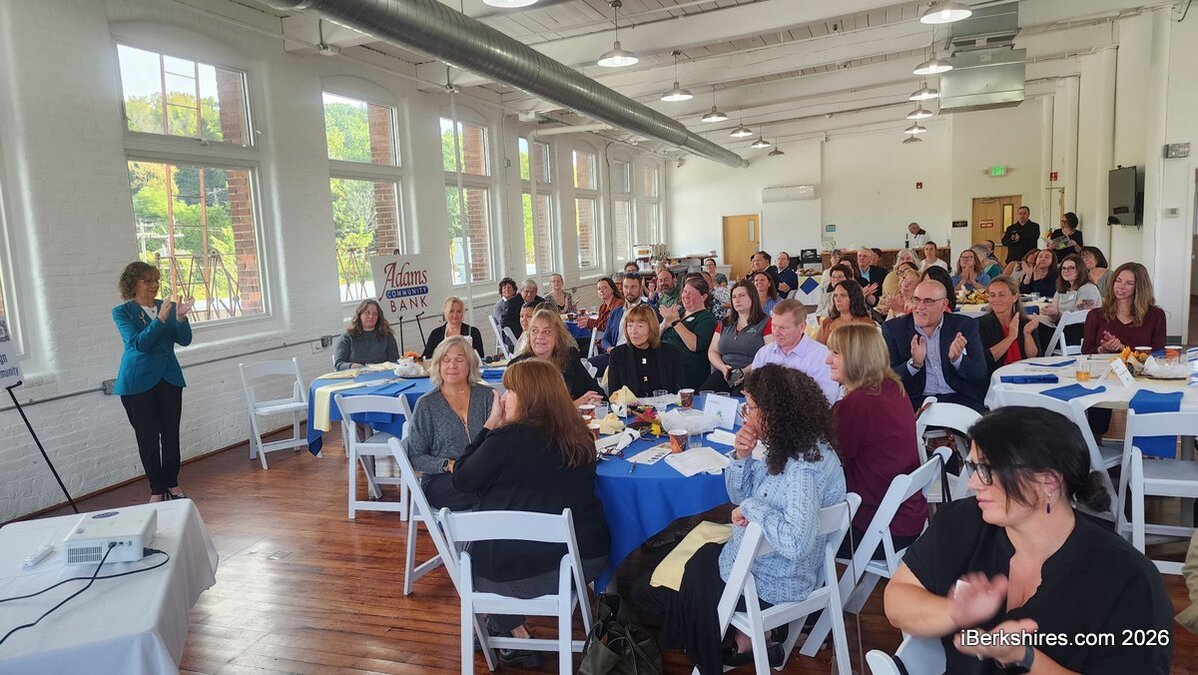
"It's that time of year. It's that season, and workplace campaigns are the best way we can share our stories, work together to reach our goal and educate the community about the services that our agencies provide that are so vital," Messina told the gathering on Wednesday morning in Norad Mill's 3West hall. "When you're going through Northern Berkshire County this year, you'll be seeing some of these signs out on the lawns. This is part of our annual campaign message and ways to donate.
"The QR code will bring you right to the donation page ... when you donate to Northern Berkshire United Way, whether it's through a workplace campaign or an individual donation, they stay in Northern Berkshire unless you designate elsewhere."
This past year's campaign delivered big — pulling in $530,000 in pledges against a goal of $480,000. This year, the drive is targeting a round $500,000.
Campaign Chair Jacob Dabrowski said he was very hopeful for a successful campaign.
"I'm looking forward to it and seeing what we can get out there and raise," he said.
Messina noted that while annual business meeting is the formal kickoff, the fundraising has already begun.
"We've already got plans for a few more events coming forward," she said.
NBUW was established 90 years ago to coordinate support for social service agencies that were all running separate donation drives. It now allocates funding to 19 agencies, two of which explained their missions on Wednesday morning. Messina has highlighting NBUW's affiliates at the annual meetings rather than having keynote speakers as in the past.
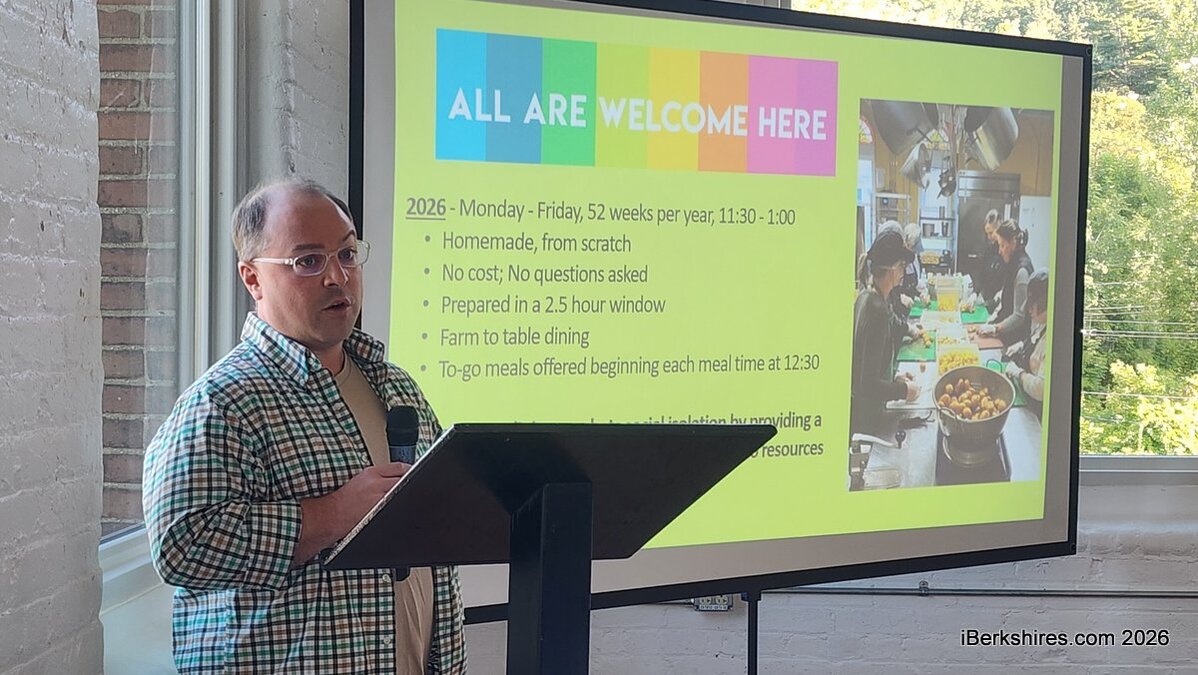
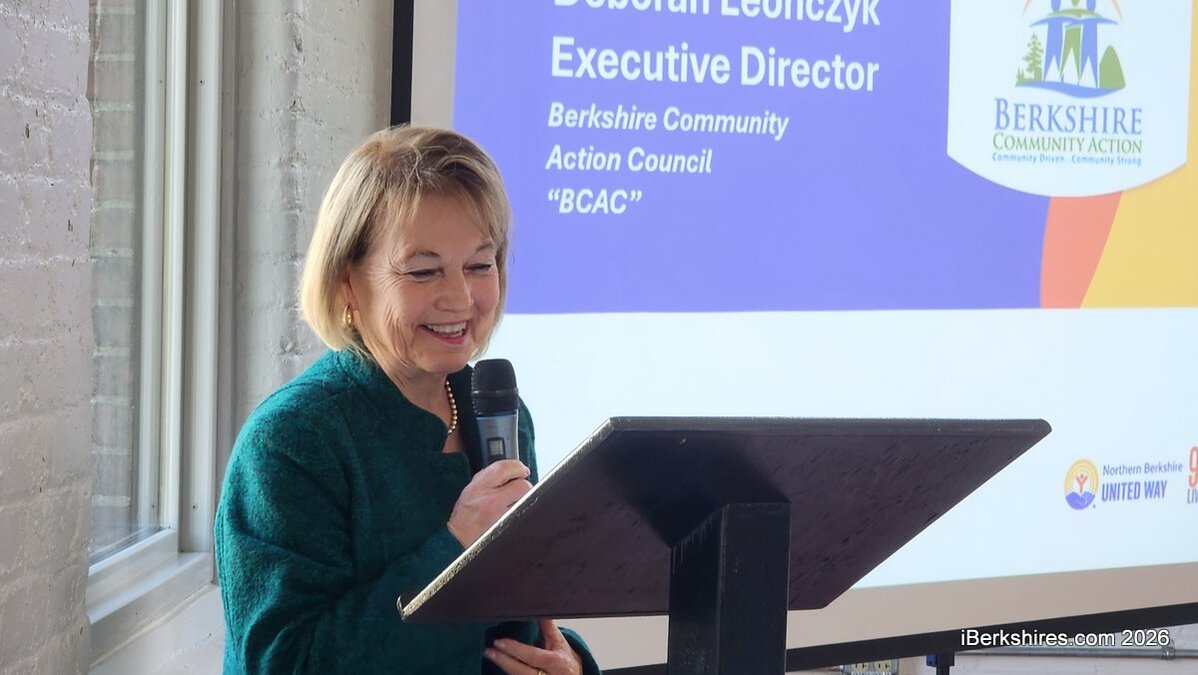
Matthew Alcombright of the Berkshire Food Project and Deborah Leonczyk of Berkshire Community Action Council gave clear examples of the importance of their work in North Berkshire.
The Berkshire Food Project was established in 1987 by First Congregational Church's the Rev. Elizabeth Wheeler and Williams College students. As of Tuesday, the project had served just shy of 30,000 free meals since January.
"We are open 52 weeks a year, Monday through Friday, 11:30 to 1, we are serving homemade from scratch meals," Alcombright said. "That's important to just understand. Every single day, our volunteers ... prepare a homemade meal."
He said the project has been "overwhelmed with produce" this summer from local farms and that "people are eating farm-to-table meals every day in the community." It shares its bounty with other non-profits such as Louison House, Roots Teen Center, Child Care of the Berkshires, and Massachusetts College of Liberal Arts' Essential Needs Center.
"We're kind of like a hub to make sure that no food gets wasted, and our community meals have recently been sponsored, which has been great," Alcombright said. "Our annual holiday meals, we usually prepare over 500 Thanksgiving dinners, no cost, and that's a fully donated meal by everybody in this room, by people in the community who are giving of themselves."
The project has so many volunteers there's a waiting list. Last year, they put in more than 8,500 hours preparing up to 200 meals a day. It's also seen a significant increase of people seeking its services, with lots of new faces showing up for lunch.
"We don't care if you have a billion dollars or no dollars. You just come, you eat, and you have a community in a safe place to be," he said. "You will find the hugest, the largest facet of this community in that dining room every single day."
Leonczyk said there's no short answer to what her organization does for the community.
"I usually start by explaining fuel, then I remember weatherization, then the children's warm clothing program, then our lending programs, financial programs, and all the other things we've somehow managed to acquire over the years, and before I know it, the person who asked the question is probably sorry they did," she said. "I'm going to tell you what we really do.
"We help people when life doesn't go according to plan. And if there's one thing that I've learned over the years is life rarely goes according to plan."
Problems don't always arrive one at a time, she continued, "the person struggling with heat may also be struggling with rent. Parent worried about groceries may also need winter clothing for their children. The person who finally found a job may have no reliable way of getting there. So BCAC grew to meet those needs."
BCAC helps with heating, clothing, transportation, getting food, preparing taxes and connecting people with the agency best able to serve their needs.
"Sometimes we do something that doesn't fit neatly into any program description at all, we figure it out," Lenoczyk said. "In fact, if BCAC had a program called, 'we'd figure it out,' it'd probably be our busiest program, and that really gets to the heart of community action. People don't come through our doors as programs; they come through our doors as people."
There's not a great distance between the people who give help and those who need it, she said. A phone call, a diagnosis, a lost job, and accident can change someone's world immensely.
"But after all these years, I think the answer is much simpler. We're there," Lenoczyk said. "We're there when the person finally picks up the phone, because someday that person could be someone we love. Someday it could be us. And when any one of us finally reaches out our hand, we should be able to believe that someone will reach back. That's what BCAC does."
Messina said one of the reasons she got involved in Northern Berkshire United Way was because she and her family had used many of the agencies being supported.
"My reasons for doing this job is in this room," she said. "We are continuing to celebrate our 90th anniversary for the remainder of this year, but together we can shape the next 90 years."
Tags: annual meeting, NBUW,