BRTA Seeks Volunteers to Help Shape Microtransit Service
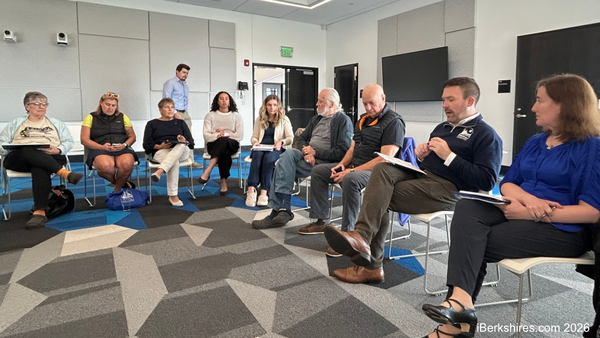
PITTSFIELD, Mass. — Berkshire Regional Transit Authority is seeking volunteers to serve on a microtransit committee to aid in the development in the newly adopted service.
Since 1974, BRTA has been one of 15 regional transit authorities in Massachusetts, helping people get to work, school, grocery stores, and more.
The organization currently offers fixed route and paratransit services, an accessible alternative to regular bus service for people whose disabilities.
The state is encouraging transit organizations to expand microtransit service to improve connectivity around the state, specifically through grant funding to aid in the implementation, said Kathleen Lambert, BRTA administrator.
Berkshire Regional Transit authority received $420,000 in state grant funding to implement microtransit, she said.
However, if the state wants to expand microtransit it can't be a grant application every year because those funds are not guaranteed every year, Lambert said.
"We need to count on a pot of money that's going to serve it," she said.
The hope is to have 12 community volunteers to serve on the committee, that would meet once a month to help develop the microtransit service, Lambert said.
Rural transit is one of the toughest problems to solve because of the long distances and high costs associated with picking up a single person somewhere down a dirt road, she said.
This is especially true for BRTA, which serves 30 communities and covers an area as large as Rhode Island.
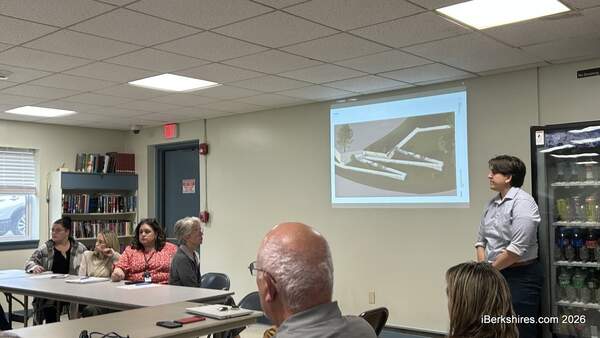
Berkshire Regional Planning Commission and Foursquare ITP (Integrated Transportation Planning) conducted a study that looked at the potential and need within the county for transit.
During the study's presentation last May, it was recommended that microtransit is most suitable for areas with medium to low transit potential but medium to high transit need. These places include: outside of downtown Pittsfield, Adams, Dalton, Great Barrington, Lee, Lenox, North Adams, Stockbridge and Williamstown.
To implement the service, BRTA has to find effective ways to run and fund it in a way that serves the majority of the population in an honest and fair way, Lambert said.
"There's always going to be somebody who's going to need a specific ride, and we will try to accommodate people as much as possible. But in order to run this effectively, we need to maximize the vehicles we have, maximize the staff we have, and we need to commingle the service," she said.
"Commingled service means, we're going to run paratransit rides with microtransit rides, and we're not going to have them completely separately driven services. Right now, we run less than one per vehicle per hour."
The goal is to increase ridership to an average of 2.5 passengers per vehicle per hour between 6 a.m. and 9:30 p.m., Lambert said.
Tags: BRTA,