MassDOT, CSX Agree on Improvements to Support Berkshire Flyer, Passenger Rail
 |
PITTSFIELD, Mass. — The state Department of Transportation and CSX have reached an agreement for local infrastructure improvements that will be a "major step" to making the Berkshire Flyer a permanent seasonal service.
Gov. Maura Healey's administration said the improvements will also help toward the years-long project of expanding passenger rail in Western Massachusetts.
"People in Western Massachusetts have been clear that they want better rail connections, and we're delivering," Healey said in a statement released on Thursday. "This agreement puts the Berkshire Flyer on a path toward permanent seasonal service and invests in the infrastructure we need to keep expanding West-East passenger rail service between Boston and Albany. Combined with new federal funding for modern trains, we're giving people more choices, supporting local businesses and better connecting Western Massachusetts to opportunities across the Northeast."
Mayor Peter Marchetti said the Berkshire Flyer is an important asset to the city and that he was grateful for the investment to make it permanent.
The Berkshire Flyer was established in 2022, connecting the Berkshires directly to New York City for the first time in a half-century. The Amtrak service was based on the seasonal Cape Cod Flyer with the goal to increase tourism opportunities. The 2026 season expanded service with an additional round-trip, including new opportunities for Berkshire County residents to travel to New York City.
The administration also announced that new federal funding awarded to Amtrak for additional modern trainsets will support Compass Rail services, including the Berkshire Flyer and the future Inland Route between Boston, Springfield and New Haven.
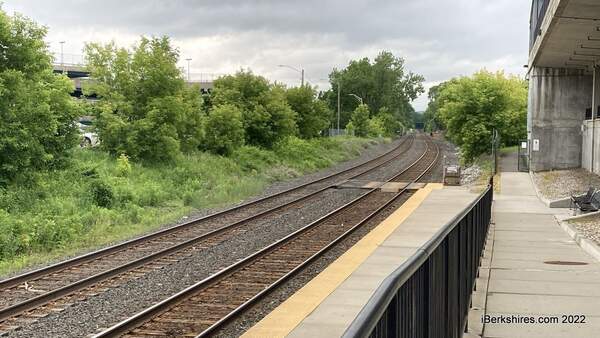
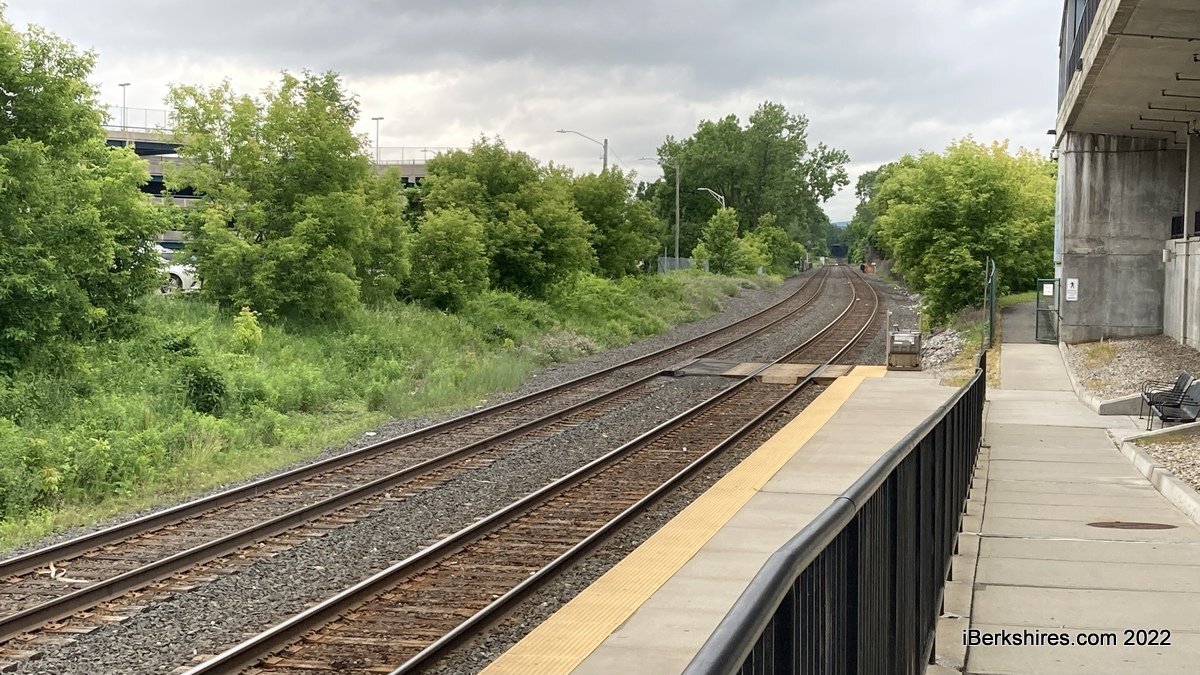
Under the new agreement with CSX, MassDOT will fund construction of a siding and other track improvements in the Pittsfield area to increase rail capacity and reduce conflicts between passenger and freight operations. MassDOT will also explore the feasibility of a new platform at the Joseph Scelsi Intermodal Transportation Center.
"This is a terrific day for the people of Berkshire County, as we celebrate a permanent future for the Berkshire Flyer," said U.S. Rep. Richard E. Neal. "Recognizing its potential as a catalyst for regional economic growth, I've been a staunch supporter of this service from the beginning. I'm grateful to the Healey-Driscoll administration, MassDOT, [New York State Department of Transportation], and CSX for their continued efforts to support the operation of the Berkshire Flyer.
"Under Governor Healey's leadership, the progress that's been made to improve and expand passenger rail service has been extraordinary. With an infusion of more than $150 million in federal funding over the last five years, we've been able to make significant investments in rail infrastructure throughout Western and central Massachusetts. Announcements like this remind us that what was once an idea in the making is now becoming reality."
MassDOT included $31 million in its FY 2027-2031 Capital Investment Plan to fund this work. Once completed, the improvements will provide the infrastructure needed to support permanent seasonal weekend Berkshire Flyer service and lay additional groundwork for expanded passenger rail in Western Massachusetts. Two potential passenger lines are being studied — one through Pittsfield and one along the so-called Northern Tier that would pass through North Adams and the Hoosac Tunnel.
"This project demonstrates what strong public-private partnership and targeted infrastructure investment can accomplish," said Andy Daly, senior director of passenger rail operations for CSX. "These improvements will support safe, reliable passenger service while preserving the efficient freight operations that support regional businesses, communities, and economic growth."
Amtrak Vice President for Planning and State Partnerships Nicole Bucich said the Amtrak is experiencing "record levels of demand" for passenger rail and that making the Flyer a permanent summer service "is another example of travelers wanting to take more trains and not have to be stuck driving or in traffic."
The agreement follows a comprehensive rail operations modeling study completed in July 2024 that examined passenger and freight operations along the Boston and Albany, N.Y., Corridor. That work identified infrastructure improvements in the Pittsfield area that can increase capacity and reduce freight conflicts affecting passenger rail.
The announcement comes as Amtrak has been awarded approximately $2 billion in federal funding through the Federal Railroad Administration's National Railroad Partnership Program for additional Siemens Airo trainsets. The initial contract for the new fleet of Airos cars was $3.4 billion; they debuted last month on the Cascades Route between Vancouver, British Columbia, and Eugene, Ore.
The new trains will support Amtrak services around the country, including Compass Rail services in Massachusetts. They will be used for the Berkshire Flyer and the planned Inland Route between Boston, Springfield and New Haven, Conn., the first phase of West-East Rail. The new Airo trainsets are designed to provide a more modern and accessible passenger experience, with features including more spacious seating, power outlets, 5g wifi, bike storage, improved accessibility and updated passenger information systems.
"Making the Berkshire Flyer service permanent is a win for the Berkshires and Western Massachusetts," said state Sen. Paul Mark. "Having this reliability will strengthen our connection with New York, further support our tourism and cultural economy, and expand transportation options for residents and visitors."
The administration has made progress advancing that vision, including $108 million in federal funding secured in 2023 for infrastructure improvements supporting future Inland Route service between Boston and New Haven through Springfield, the first phase of West-East service between Boston and Albany; $36.8 million secured in 2024 for the Springfield Area Track Reconfiguration Project to design track, signal and infrastructure improvements at Springfield Union Station; $3.5 million secured for the Boston-Albany Corridor Service Development Plan, an important step toward expanding passenger rail between Boston, Springfield, Pittsfield and Albany; and continued state investments in rail infrastructure, including the $31 million Pittsfield Track Capacity Project and planning and design for a future Palmer station.
Tags: berkshire flyer, MassDOT, passenger rail,