BRTA Hears From New ITS System to Help With Rides
PITTSFIELD, Mass. — The Berkshire Regional Transit Authority heard from an "intelligent transportation system" company on what it can bring to the bus service.
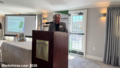
Spare Labs presented to the board last week, showcasing its platform for demand-response services, fixed-route information, service planning, and rider engagement.
Spare representatives said the company has been working with transit authorities across the state and hope to "de-risk" the service with software changes.
"We know how tough it is to make a software change. It's no small feat. We've done it quite a few times in the states, so you're now working off of a blank piece of paper. We understand what your partners have done, positives and negatives, so you're building with that in mind," said senior growth manager Joshua Bethel.
Bethel emphasized a hands-on implementation where they will work with BRTA staff to prepare data, test the system, train dispatchers, drivers, and administrators, and help with rider communications.
"One example of how we've de-risked is the MBTA, one of the largest paratransit services [The Ride] in North America. In their switch to Spare, they saw immediate results. So our kind of implementation process is extremely white glove," he said. "We like to get in the trenches. We like to be with you on site, opening up a lot of times. We're here 4 a.m. when the days open, working with you. So look at this as an active partnership."
Bethel gave an example on how the system helped the Massachusetts Bay Transit Authority with a training approach.
"Internally, every stakeholder will have some type of training, whether it's a dispatcher, a driver, admins. You all will have some level of training and different permissions in the system. Because of that approach, MBTA saw immediate great results," he said. "Their on-time performance pre-spare was 88 percent. Within 24 hours of launch, they were up to 95 percent, and they are continuing to grow."
Spare described several ways riders could interact with the system — a BRTA-branded smartphone app, online booking through a web portal, phone booking with a human dispatcher, text-based interactions, and an AI phone agent for routine requests, such as booking, canceling, or checking the status of a trip.
"One of the biggest differences that riders will see is everything will truly be at their fingertips, and we have multiple ways we're going to stay up to date based on what's available to them, we obviously will have a router app on the smartphone, but we offer availabilities for people who don't have that," Bethel said. "So, for someone who doesn't have a smartphone but they have access to a computer, we have a webbooker. For someone who doesn't have access to a computer but they need to call in, we also will be teaming what you have from a dispatcher standpoint. We also offer an AI call taker who can answer frequently asked questions, and when wait time is too hard, too high, automatically clicks in and says, 'Hey, this is the final wait time. You can call, you can cancel.' So effectively, with the technology, you can reduce wait times as you grow."
Their platform could also account for rider accessibility needs when matching trips to vehicles and could flag cases where a rider's booking did not reflect their usual needs. It can also have caregivers and others book on a rider's behalf if need be for medical appointments and more.
Earlier in the meeting, BRTA Deputy Manager Benjamin Hansen spoke on the ridership numbers citing inaccurate data on how many are riding because of the outdated system. Their system will be able to know in real time when a passenger boards and when one gets off.
Spare also described tools intended to support route and demand-response planning, including; reporting by route, stop, time of day, and rider; integrations with passenger counting hardware and other systems; real-time vehicle and trip information; traffic-aware routing, which could use Google traffic data; and alerts for unusual patterns or apparent data discrepancies.
They said data could be brought into the platform from existing hardware and configured into reports for BRTA. The Spare team would work with BRTA during implementation to decide which data to import and which measures the agency needs.
Many of the questions posed by the board were about the selling of data and how rider data is protected. Spare representatives said the company does not sell rider data and that BRTA would control the permissions as the data would belong to BRTA. As for a government agency asking for the data, they were unsure and said they would have to verify the rules for sharing information, but added they are compliant with the Americans With Disabilities Act and federal and state law.
It was also brought up how users without a smartphone could pay for a ticket once the BRTA is no longer fare free, after the loss of Charlie Cards. While there are ways to pay online through Spare, the BRTA has not made any decision on how tickets can be purchased.
BRTA is currently in a study with Spare along with the BRPC, Hansen said the program should be implemented by July but that it will be a long process.
In other news, Administrator Kathleen Lambert discussed the pay discrepancies for drivers. She said the BRTA pays significantly less than other authorities and has been losing potential drivers because of this.
Recently, MassHire finished training for 32 CDL candidates but none had accepted a position with BRTA because other employers had more competitive salaries. Lambert and Keolis General Manager Mark Moujabber said they were discussing potential step increases but are still working on that and speaking with the union.
"Mark and I sat down and we've worked out step increases for the new contract that will bring them up to market rate, and then increase that along the way in the next three-year contract," Lambert said. "The other thing that Mark has worked out, which I think is important, we don't have merit increases for the amount of years that you've worked for the agency, so some of our senior drivers get the same rate as some of our, you know, brand-new drivers who are already certified, which I don't think that's fair.
"I mean, if you have longevity, everybody in most jobs you have longevity pay. We don't have that, but we will have that. So we're working towards a more equitable leveling playfield."
Additionally, Hansen discussed working with Taconic High School students who asked for service to Berkshire Community College. While the BRTA does not have service for full-time transportation, Hansen worked with the school to help provide a small bus to bring the students to BCC.
It will operate as an on-demand stop, similar to the Target stop on Route 1. Students call to request a pickup, meet the bus at the stop, and ride to the Intermodal Transit Center (ITC), where they can transfer to a bus serving their destination.
Tags: BRTA, software,