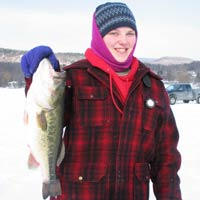
Julie Wojieck, 15, of Adams, above, landed a 19 1/8-inch, 4 1/2-lb. largemouth bass, using a shiner for bait, to take home the winner’s trophy for largest fish. (Photos by Glenn Drohan)
Editor’s note: This is the third in a series of articles about the Hoosic River, in conjunction with the second annual “Hoosic Moments†writing contest. Contest details below.
One would expect a watershed 720 square miles in size, with steep headwater streams and placid run-of-river reservoirs, deep glides beneath butternut branches and long stretches of cobble riffles through shrub swamps and ponds — and lakes big and small — to have lots of fishy diversity. The Hoosic River and its tributaries do not disappoint.
Throw out a blue-winged olive fly on the North Branch in Vermont or Massachusetts, the Walloomsac River in New York, or the Hoosic main stem almost anywhere in the three states. If you’re skillful, your reward could be a trout – probably a brook or brown trout in upstream waters, a brown or rainbow in the downstream reaches — some of the browns can get to trophy size of 5 pounds or more.
Throw out a popper or live bait on the main stem below the Buskirk, N.Y., covered bridge or in the Schaghticoke reservoir, and you might reel in a channel catfish or a white sucker, an American eel or a largemouth bass. Drop a line in the Tomhannock Reservoir in January and pull out a bluegill, a crappie, even walleye. The Hoosic watershed’s rivers, streams and lakes, are, many anglers say, one of the best-kept fishing secrets in the region.
Although Massachusetts stocks trout in several reaches, and New York stocks portions of the Walloomsac, many of the fish you’ll encounter are wild. This is especially true later in the season (Massachusetts and New York stock in the spring, and the fish are soon caught or preyed upon.) Wild trout are quite likely on the main stem of the river from the Pownal dam to the confluence with the Walloomsac in North Hoosick, and then again downstream of the Hoosick Falls hydroelectric plant to near Eagle Bridge. Downstream of the bridge, trout become uncommon altogether as warm water fishes take over.
Colder water and trout upstream, warm water with pan fish and bass downstream is the rule in the Hoosic watershed. (There are exceptions to any rule – like the concrete flood chutes in Adams and North Adams, which significantly warm waters and impair trout habitat.) Nonetheless, the watershed truly does offer something for nearly every tackle box.
But not for every frying pan. A fish-consumption advisory has been in effect for more than a decade on the Hoosic in Massachusetts and Vermont, where it is recommended that no fish of any kind be eaten, ever, due to PCB contamination. (Polychlorinated biphenyls persist in sediments, although there is no present-day polluter, according to environmental officials.)
In New York, however, the Department of Environmental Conservation OKs eating one Hoosic brown trout per month. A catch and release regulation is in effect for all species of fish from the Schaghticoke Dam in New York to the Hudson River. Anyone who chooses to eat the fish upriver might consider trimming off all the fatty parts first, however, since PCBs collect in fatty tissues.
Trout season opens in New York and Massachusetts on April 1 and in Vermont on April 10. Bass season in New York opens in late June. But why wait to cast your bait? Ice fishing is allowed by permit from the city of Troy on Tomhannock Reservoir now through March 15. And anyone with a Massachusetts license can fish Hoosac Lake (Cheshire Reservoir) anytime. The ice measured more than 2 feet thick on Sunday.
Thinking ahead to warmer times, anglers unfamiliar with the pleasures of the Hoosic’s various tributaries and the main stem can get a toe wet during free fishing days, when no license is required to cast a line. Massachusetts will hold its free fishing weekend on June 5 and 6; Vermont’s free fishing day is June 12. New York will welcome anglers on the last full weekend in June.
One thing is certain: The fish are there, in all their sizes and varieties.
CONTEST DETAILS: The Hoosic Moments writing contest, sponsored by the Massachusetts Environmental Trust, Hoosic River Watershed Association, The Advocate and Inkberry, seeks submissions from students in two categories: Creative Nonfiction and Poetry. Over $600 in cash and prizes will be distributed in the junior (grades seven to nine) and senior (grades 10 to 12) age groups, and winners will be invited to read their work at a public event this spring. Writing submissions are due by March 1. For complete contest rules, e-mail hoorwa@berkshire.net, visit www.hoorwa.org or call 413-458-2742.
If you would like to contribute information on this article, contact us at info@iberkshires.com.
Your Comments
iBerkshires.com welcomes critical, respectful dialogue. Name-calling, personal attacks, libel, slander or foul language is not allowed. All comments are reviewed before posting and will be deleted or edited as necessary.
No Comments
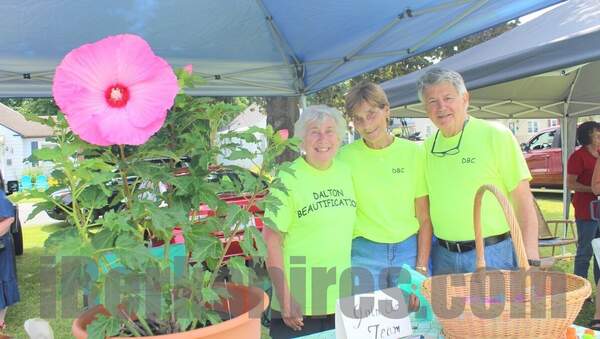
Dalton Day Returns This Saturday
By Sabrina DammsiBerkshires Staff
DALTON, Mass. — The town's popular Dalton Day festival is returning this weekend after a year's hiatus.
The event will kick off this Saturday at 11 a.m. and runs until 4 p.m. in the field in front of the Senior Center.
The community celebration was established in 2023 by the Cultural Council in an effort to increase resident participation at town meetings while also showcasing the area's welcoming, diverse, artistic and sporty atmosphere. In 2024, the event brought together 300 residents.
"The primary mission of Dalton Day is to foster a strong sense of community, build civic pride, and bring residents together through a shared celebration of local culture, music, and food," said Jeannie Ingram, Select Board member and cultural council chair, and Lori Venezia, executive assistant to the town manager.
The event provides an accessible and free platform for "civic education, community bonding, and supporting local businesses, artisans, makers, and culture more broadly," they said.
The festival strengthens the fabric of the town both civically and economically by connecting grassroots organizations with residents, fostering a shared sense of belonging, and providing free, family-friendly entertainment.
It also serves as an opportunity for community members to meet with local officials and a couple of state officials. State Sen. Paul Mark and state Rep. Leigh Davis will be coming from Beacon Hill to speak at the event.
Cassidy Flynn scattered five hits in a complete-game effort in the circle as Lenox upset top-seeded Hoosac Valley, 3-2, in the quarter-finals of the Division 5 State Tournament. click for more
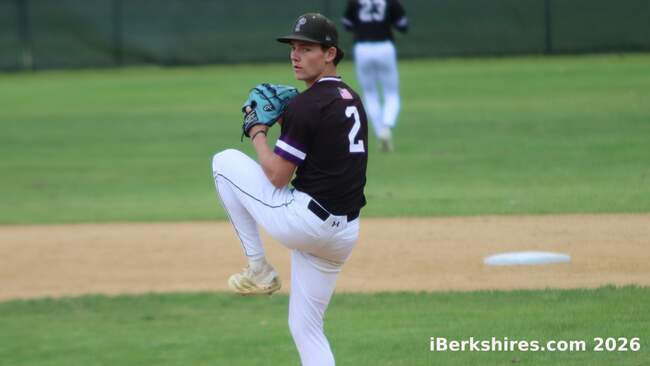
Brayden Durant struck out seven and walked one in a complete-game effort on the mound Saturday to pitch the Drury baseball team to a 6-0 win over Keefe Tech in the quarter-finals of the Division 5 State Tournament at Joe Wolfe Field. click for more
Jason Codey struck out 13, walked two and allowed just an infield single as the Generals earned a 7-1 win over Wahconah to claim their third straight regional title. click for more
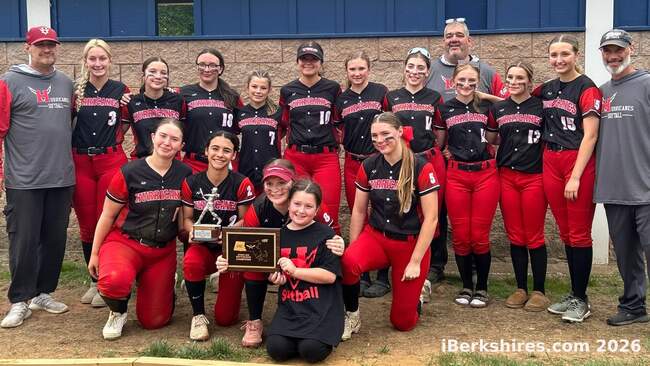
Gracelyn Wright struck out eight, and Genevieve Lagess went 3-for-5 with four runs batted in as the Hurricanes beat Monson, 17-3, to claim their first Western Mass title in four years. click for more