BRPC: County Short On Manufacturing Sites
 There is land available in the Berkshires but zoning and infrastructure limits the availability of space for manufacturing. There is land available in the Berkshires but zoning and infrastructure limits the availability of space for manufacturing. |
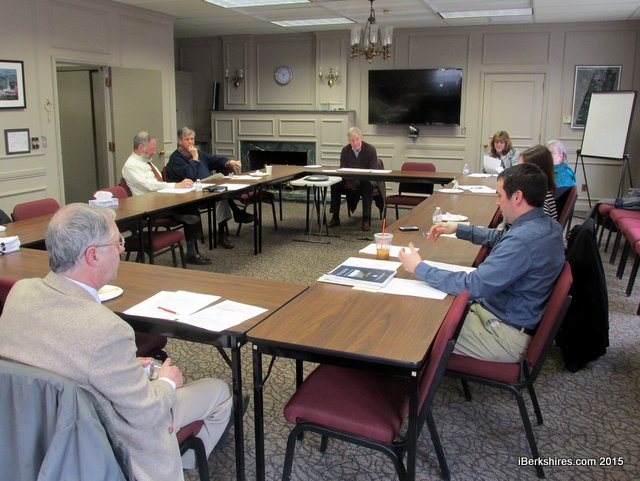
The study from Berkshire Regional Planning Commission updates an inventory of undeveloped or underdeveloped industrial land.
It shows the county has 132 properties in industrial areas, totaling 1,696.3 acres with 693 of those being buildable. BRPC looked at all areas zoned for industrial usage, near main roads, and in proximity (not necessarily served by) to utilities.
Only 41 of those properties have more than 3 acres of undeveloped, buildable land. Some 48 properties are eyed for redevelopment, meaning the land already has a building, totaling 235 acres, and 43 properties have less than 3 acres of building land.
"We identified 10 properties with 10 acres or more," said Planner Brian Domina, who presented the findings on Tuesday to the Comprehensive Economic Development Strategy Committee, which consists of a consortium of public and private individuals.
According to Executive Director Nathaniel Karns, most of the long-standing manufacturers in the area are in 50,000 square-foot buildings requiring some 5 acres of land. The number of available properties for them to construct or redevelop to grow is limited, he said.
"We're going to need sites in the 15-20 acre range for them to grow. In reality, we only have four or five of those," Karns said.
1Berkshire Economic Development Specialist David Curtis said a number of other hurdles are in the way to develop those large properties, including access to three-phase power, suitable roads for shipping, or access to broadband.
Some 60 percent of companies are looking to build new and in many of the vacant sites, the utilities, water, and sewage isn't in place. Other sites not listed in BRPC's study may be large enough, Curtis said, but lack the zoning.
"It is not that we couldn't do it. It is that we are competing against areas that already have it," Curtis said.
It could cost a prospective company upward of $1 million to bring three-phase power to a site.
"We have several sites that are very viable except for that one exception," he said.
Karns added that the natural gas line in North Adams is nearly "tapped out." Some companies require access to a gas line and some of the other sites are in the organization's brownfield program, meaning environmental cleanups add to the cost and time to develop a site.
"The lack of land in Berkshire County isn't an issue. The lack of infrastructure and the zoning is the issue," Domina said.
According to Domina, 18 of the identified sites have been listed by towns as being priorities for industrial development and 23 sites, mostly former mills, are eyed to be redeveloped.
Curtis said manufacturers are looking for single-story buildings ranging from 60,000 to 120,000 square feet with 24-foot high ceilings, which few of the sites with already existing buildings can accommodate. Three of the properties BRPC identified are being looked at for development.
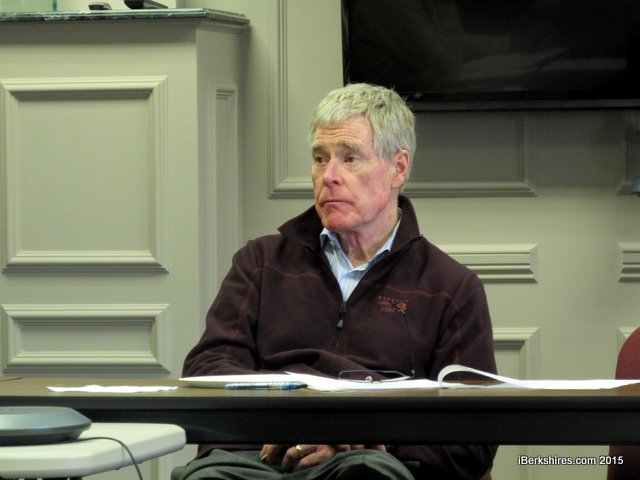 David Curtis said many of the vacant buildings won't serve for modern manufacturing and 60 percent of businesses are instead looking to build new on vacant land. David Curtis said many of the vacant buildings won't serve for modern manufacturing and 60 percent of businesses are instead looking to build new on vacant land. |
"This is a great first step," Karns said.
According to CEDS member Roger Bolton, the report shows that the county lacks resources to attract businesses in three key areas — land, labor, and capital.
Area businesses have reported that finding skilled workers is a challenge. Business leaders have launched a number of job training programs and government leaders have tried to create a "pipeline" from high school through college programs to provide those workers. There is also a lack of ways for entrepreneurs to access capital to launch a new business.
Curtis said a new angel investor group has been formed but beyond that, if a person can't get funding through a bank on their own there is little else out there. He said 1Berkshire is looking to create a revolving loan fund for an entrepreneur to access. The Pittsfield Economic Revitalization Corp. also provides loans.
"There is a need for a revolving loan pool to help early stage entrepreneur who don't qualify for traditional financing," Curtis said.
Berkshire County Economic Development Site Strategy
Tags: BRPC, economic development, industry & manufacturing,