Pittsfield Board of Health Seeking Amendments to Tobacco Law
PITTSFIELD, Mass. — In the year and a half since implementing a cap on tobacco permits, the Board of Health has faced difficulties enforcing it.
In July 2014, the Board of Health capped the number of permits to sell tobacco permits at 25, less than the city currently has issued. The goal was to reduce the number of stores selling the products over time. However, there has yet to be a reduction in permits and the board has found areas in the language that need buttoning up.
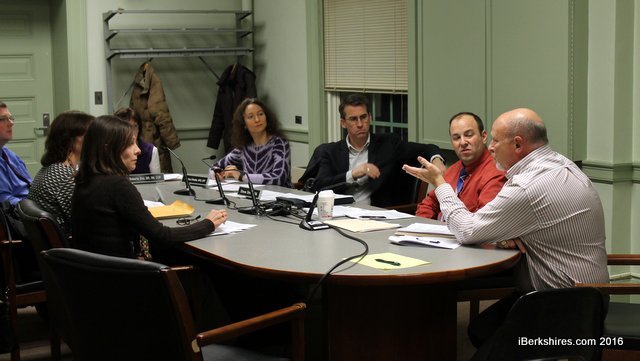
"Since we implemented this new tobacco control policy regarding capping the number of tobacco permits, we had some scenarios which fell into a gray area so we have trouble implementing it," said Health Director Gina Armstrong.
Two particular situations arose with the Board of Health regarding the law. The first was with Big Y when the company looked to open a gas station next to its store. The company had already discussed getting a permit with the department and was in the process of preparing to build and open the store when the new rules were passed. Big Y nearly halted the project over the new laws but ultimately the board issued the permit.
"They had already started the process when the regulation went into effect," Armstrong said.
More recently, Lindsey Tuller appeared before the board after taking over the Berkshire General Store on North Street. The Berkshire General Store had a permit but had closed its doors in June 2015.
Tuller, however, did not purchase the business itself because it would have required her to take over financial liabilities. The bylaws state she would have been ineligible for a permit because the store would be considered a new business — despite being the exact same type of business in the exact same location.
"This establishment had a legitimate license. They were selling tobacco," said Board of Health member Jay Green. "There is really no difference with what is happening at that establishment."
The board in November told Tuller and her attorney to submit for a permit by the end of December.
D.J. Wilson, who handles tobacco control across the entire state for the Massachusetts Municipal Association, said "you are kind of like the first issue" when it comes to the cap. Wilson said very few towns have implemented a cap and even fewer have a cap lower than currently operating permits.
"Both said if we don't get the permit, we are not opening the business. I think that put pressure on all of us," Board of Health member Steve Smith said.
Wilson suggested adding additional language to the law to prevent such instances from happening in the future.
Once such change would be to include language that allows for a store in an exact location as one with a permit previously, a chance to apply for a license. Or the board could keep the language the same and require the "asset" to be purchased.
"If we leave it the way it is, it is a strict interpretation you have to purchase the business. You have to purchase that asset," Green said.
Separating the business from the permit comes with downfalls, however. The board members said they don't want to "inadvertently" create a market for transferring licenses. For example, if someone is selling a business he or she could raise the price to include the permit. Or, there could be a market for selling permits to other entities if they are not linked to a location.
Another language change could be to require that an actual building be in place — which wasn't the case with the Big Y permit — before a permit could be issued. James Wilusz, from the Tri-Town Health Department, said he wouldn't have issued a permit to Big Y before the building was constructed. He says the Tri-Town Health Department requires inspections on any new permits issued.
"When someone applies for a permit, it isn't guaranteed," Wilusz said. "I don't issue any new permits for the sake of issuing new permits."
Dormancy is also another issue the board hopes to resolve.
The members asked Armstrong to come up with language limiting how long a permit can go unused before being forfeited back to the Board of Health and retired. That also goes for a business that secures a license but doesn't open in short order.
The Board of Health also voiced desire for a process allowing businesses and permit holders to apply for extensions to the dormancy.
"Our goal is not to disrupt commerce, it is to advance public health," said member Dominica D'Avella, who also made clear the board's role in the community. "This is not the place to have the commerce conversation."
While the laws may not have caused a reduction in permits, they have stopped an increase in tobacco dealers. Shire City Glass and Fine Tobacco operated without proper permits just months after the regulations passed. The store owners had a state permit but not local permitting and the Board of Health refused to issue one.
The Board of Health requested that Armstrong craft new language to amend the law and bring it back to the board at the next meeting.
Tags: board of health, tobacco regulations,