North Adams Developer Sees Historic Mill as Thriving Business Hub
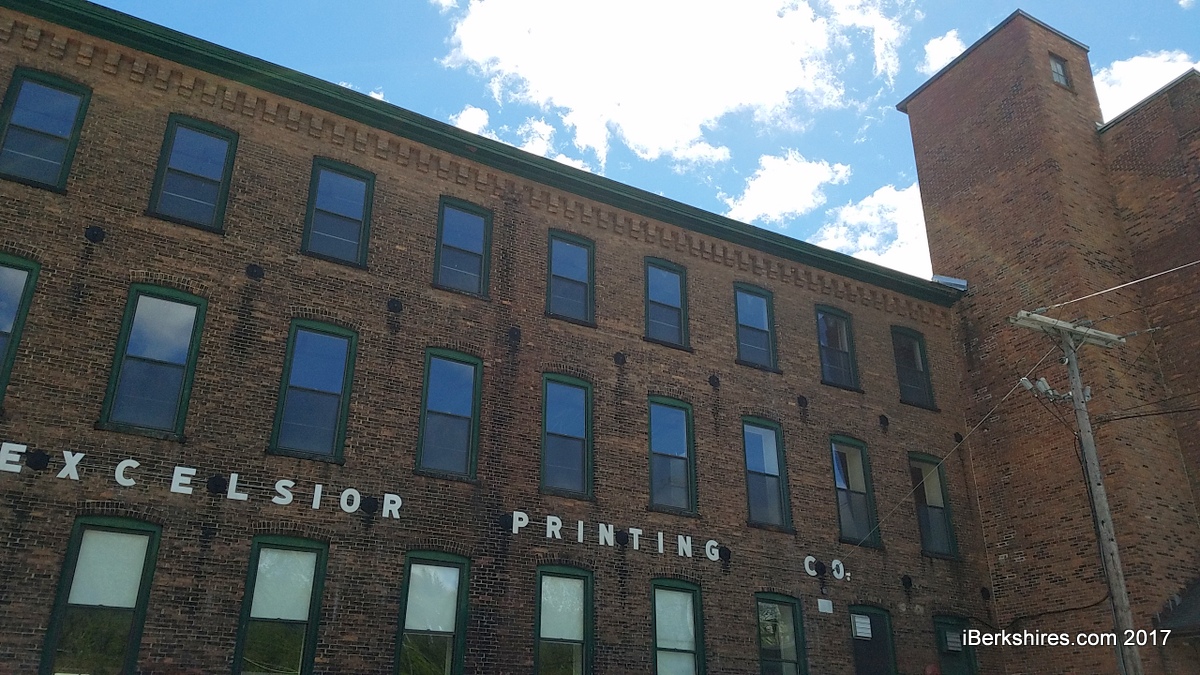
The mill dates to 1863 and once manufactured woolen items.
"This is about job growth, job development, job creation and working with businesses to make this a sucessful venture for them," he said on Friday inside the nearly 100,000 square foot building. "We've got some great things in the works and we're going to get this to 100 percent occupancy."
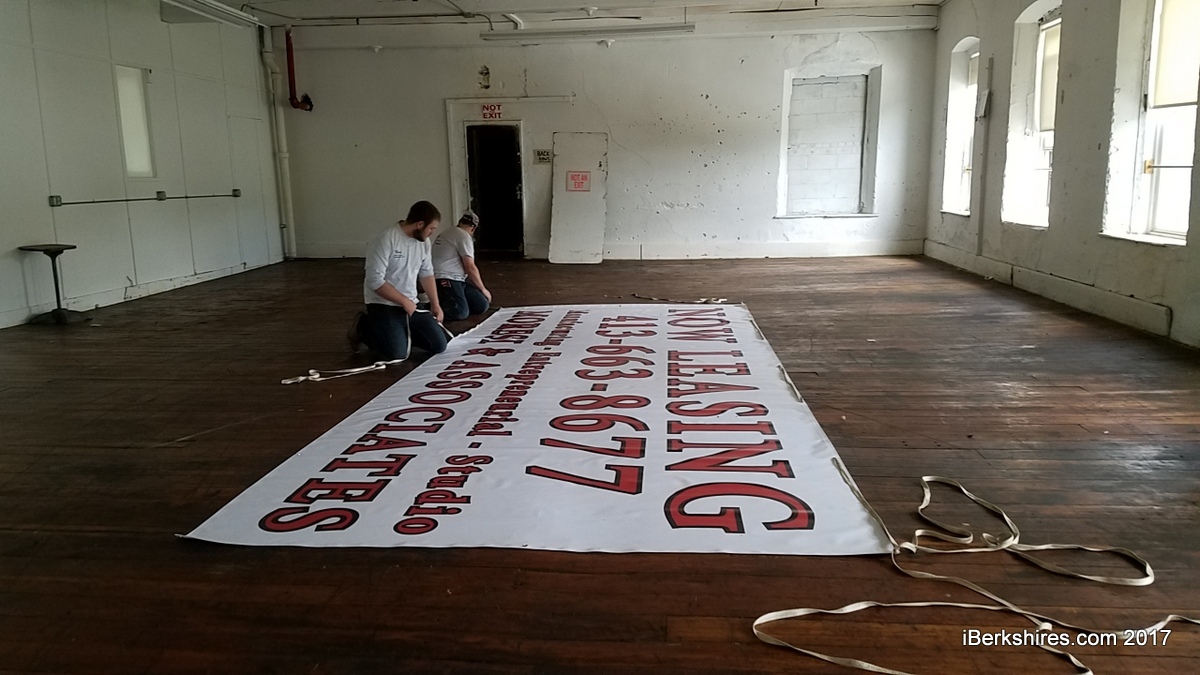
He expects to make announcements in the coming weeks about new tenants that are already in the works and will begin aggressively marketing the complex. The building has two tenants now — Overland and Excelsior, both mainly using storage space.
But along with the new multi-use purpose will be the resurrection of an old name — the Norad Mill — first used when the mill was built in 1863.
Moresi closed on the property on Thursday for $47,500, a figure he and project manager Robert Scerbo knew would raise eyebrows.
But they said, the price offsets two components: the carrying costs and modernization necessary for the massive five-story mill and the flexibility to work with incoming tenants on pricing and buildouts that might otherwise be obstacles.
"We have the unique ability to come in and remove some of those barriers," Moresi said. He stresses it's all local, private investment in building the local economy.
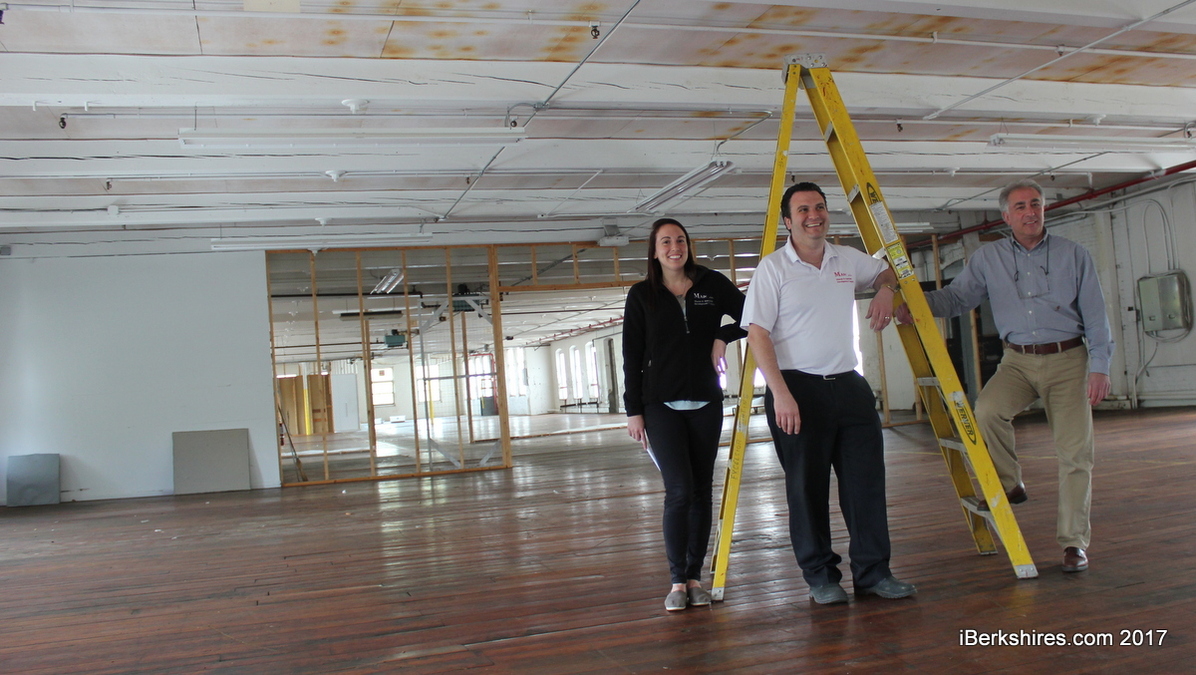
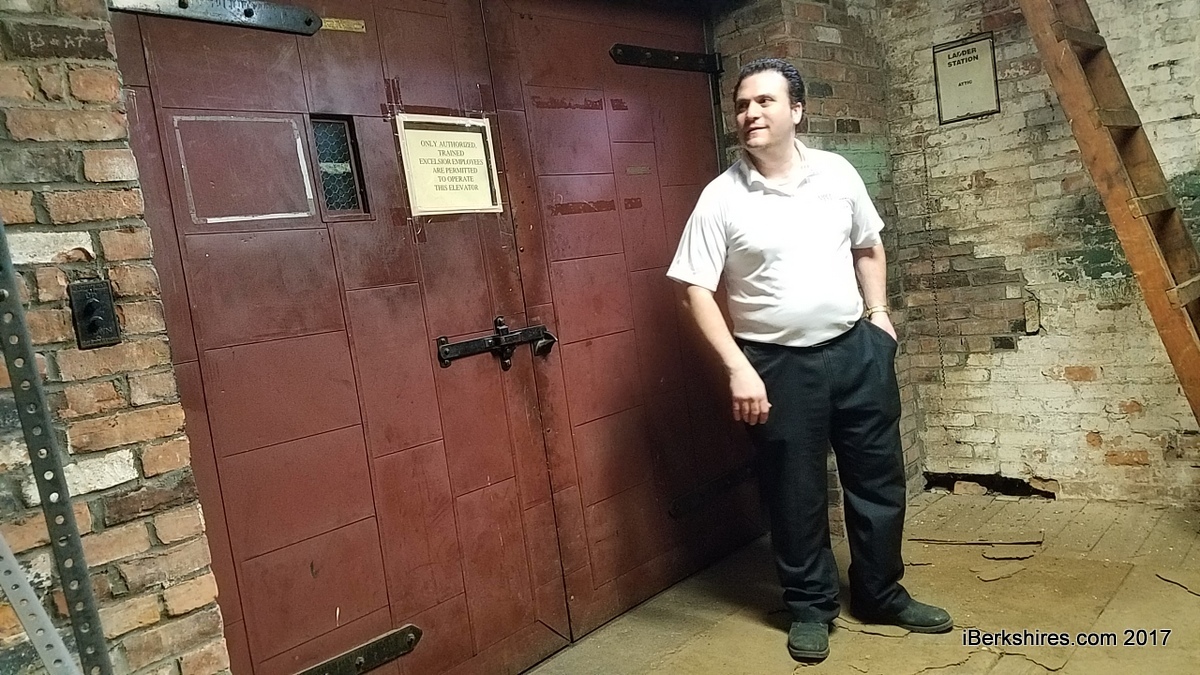
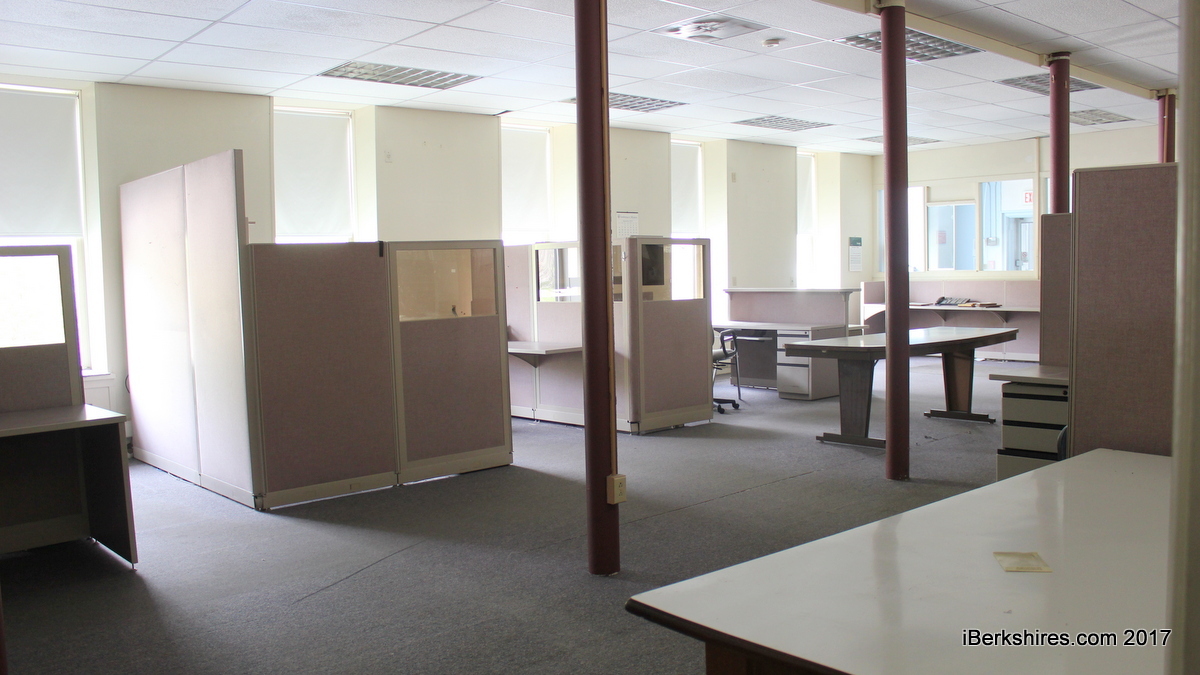
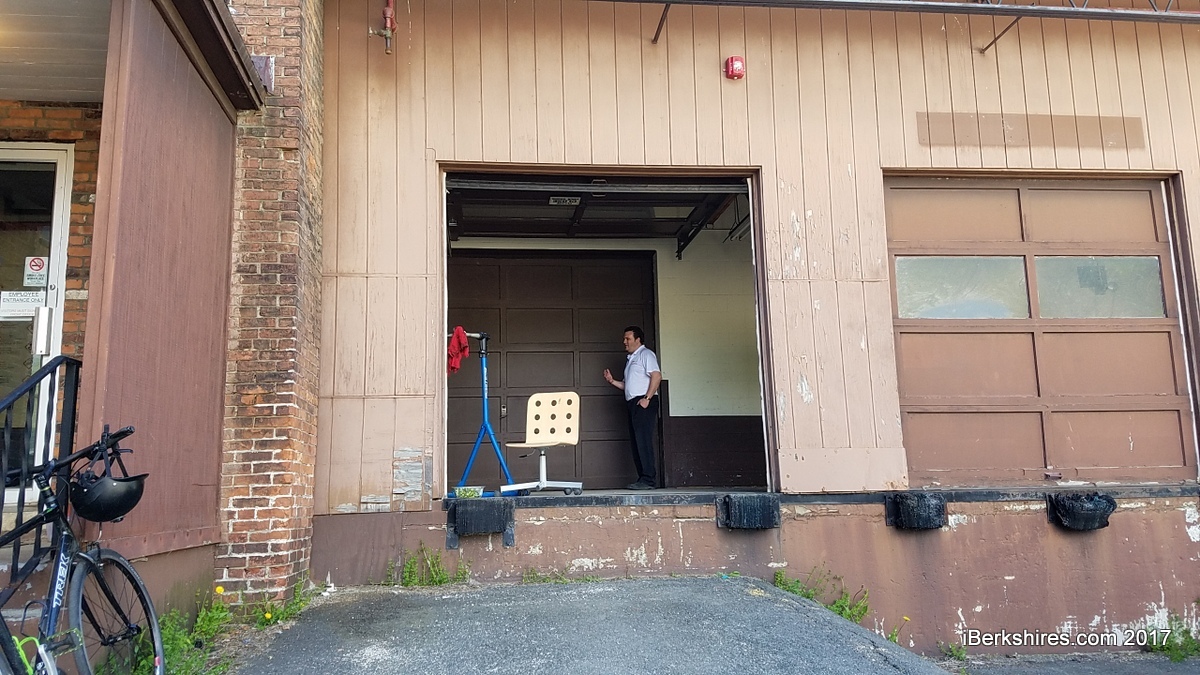
"It really lends itself well to manufacturing, industrial warehousing, the real meat and potatoes that people think of with manufacturing," Scerbo said. "There's nine loading docks, there's elevator access to all five levels in the building ... We have the opportunity to really compartmentalize and make space available to someone whether they're a startup or an existing manufacturer or from people from out of state."
In particular, new businesses will have the ability to expand within the building as they grow, a flexibility not always available elsewhere.
Built by Sanford Blackinton to house the North Adams Woolen Co., and later North Adams Manufacturing Co., producing textiles in the 1940s. Excelsior Printing Co. bought it in 1954 and additions were made in the 1980s. It is listed on the National Register of Historic Places.
The mill was placed on the market by Crane & Co. market nearly two years ago after Excelsior Printing, which leased the building, was acquired by a Connecticut company.
Timothy Golden, corporate risk manager for Crane Currency, said the company had had some inquiries but wanted to make sure whoever bought it was the right fit.
"Crane feels a strong commitment to aid the community and protect the interests of Western Massachusetts," he said. "One goal was to make sure whoever we sold it to would enhance the community ... to make sure it was a good fit prove a benefit to the community."
Moresi & Associates came in with an offer and an idea that clicked with senior management.
"We knew when we met with them in person that they had best interests for the and the community at large," Golden said. "It's exciting to see thise older buildings being revitalized ... It has been a pleasure to work with Dave and Bob and we wish them all the best."
Scerbo said Crane, and the prior Roberts family, had been an exemplary custodian of the mill during its ownership and it was clear they wanted that stewardship to continue.
"They realized it wasn't just someone looking to buy the building at a cut rate," Scerbo said. "They felt it was for the legacy of the building and a legacy of themselves."
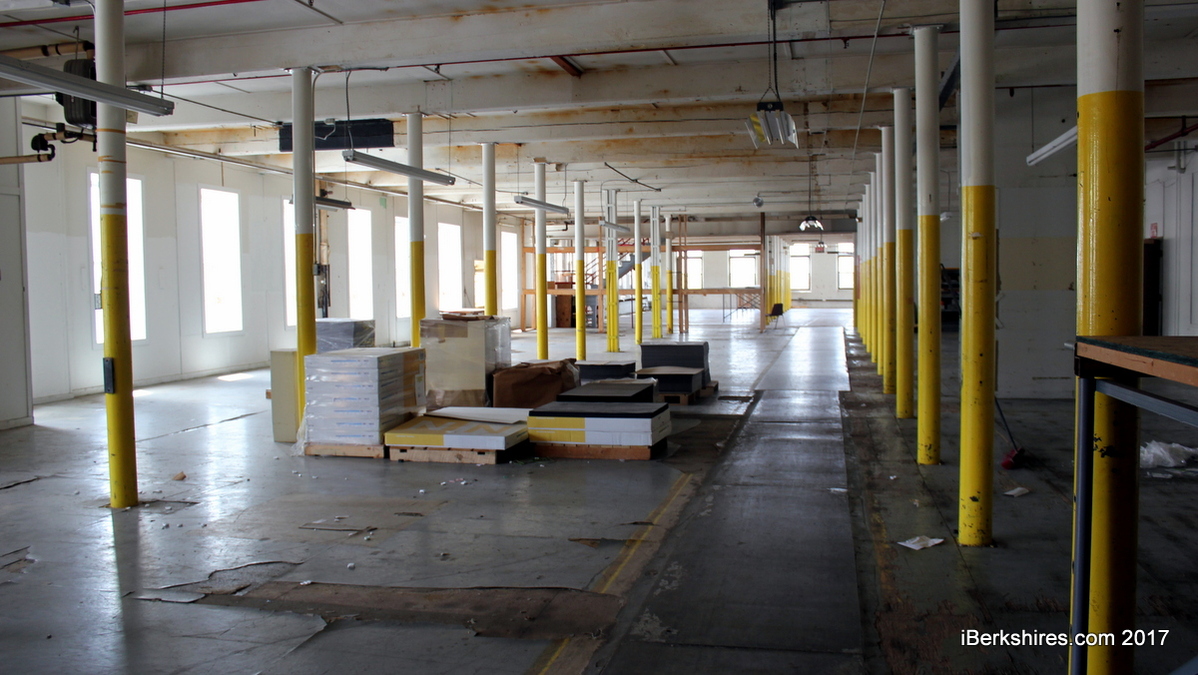
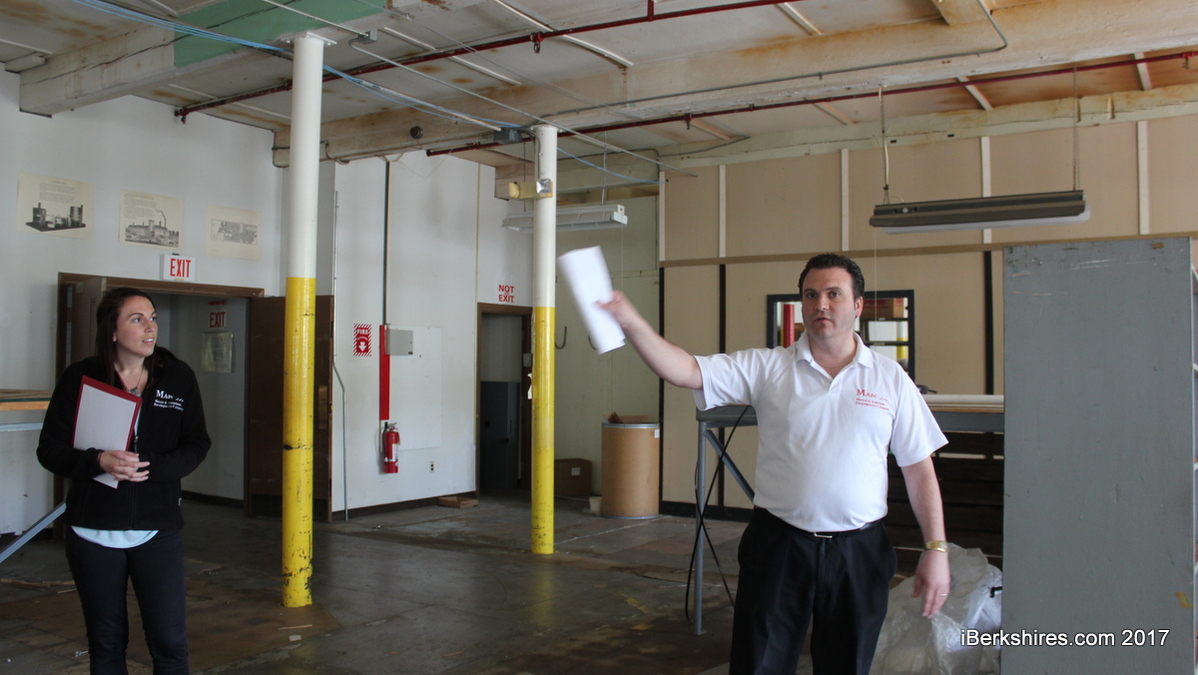
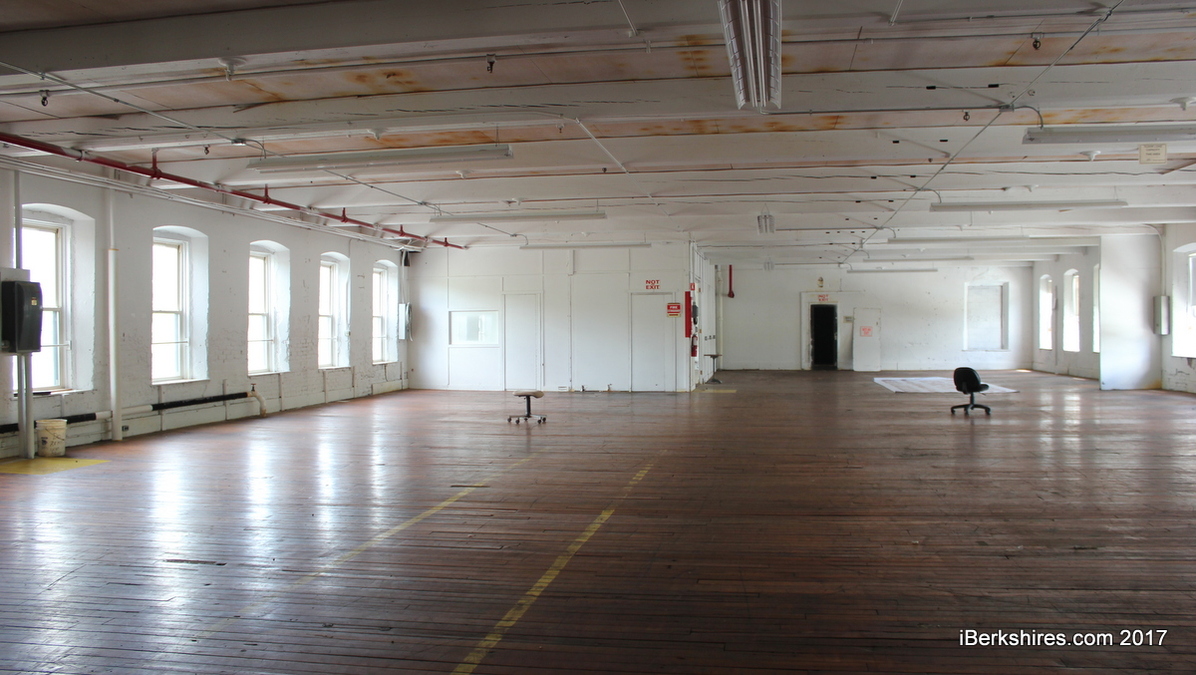
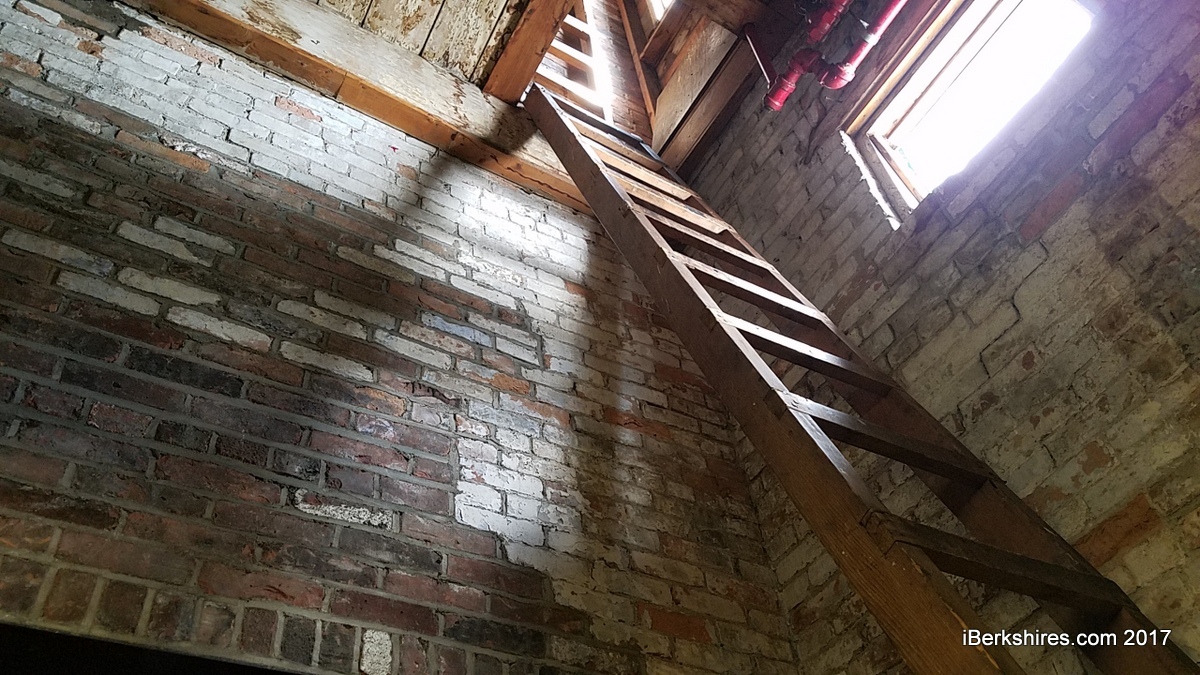
Moresi's excitement over the possibilities was clear as he walked through the structure, pointing out the historic details, 150-year-old beams, and enthusing over the massive clear-span fourth-floor in the original structure.
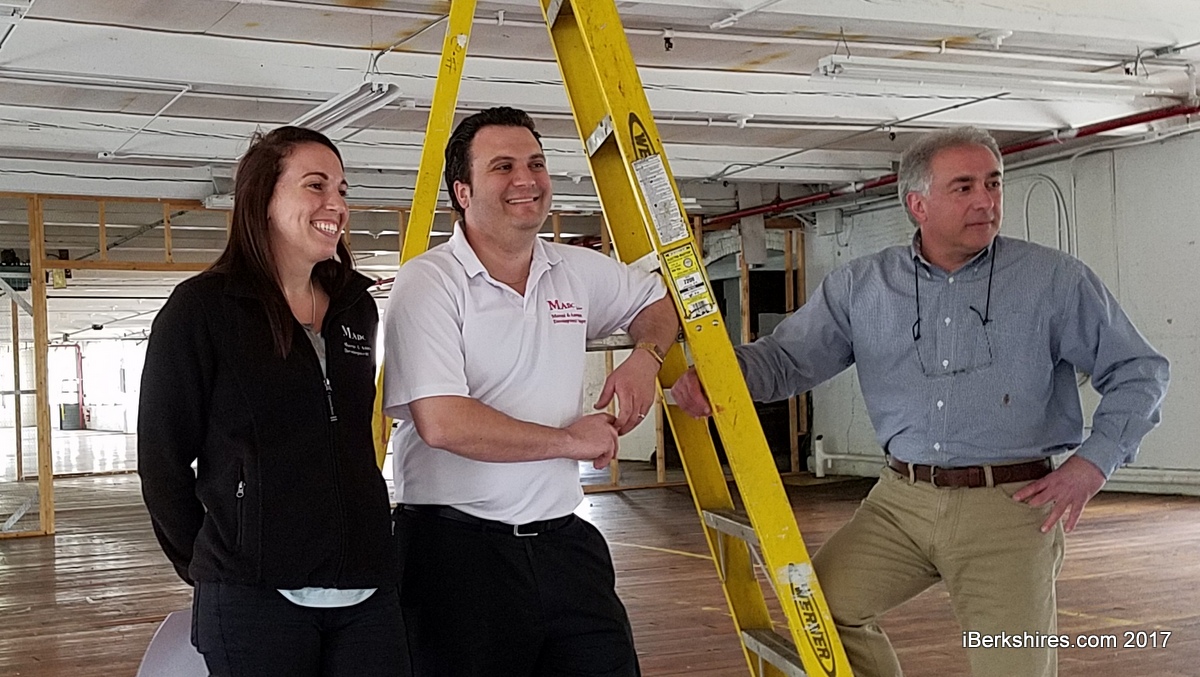
Moresi's been developing residential and commercial properties since, he said, the dotcom boom first hit the city. Just in the last half-dozen years, he's redeveloped the Wall-Street mill, the Mulcare Block with the Mohawk Tavern and Grazie Ristorante, and the company's offices on Massachusetts Avenue.
He's followed the area's up and down economy and is sure it's on the upswing, especially along the Route 2 corridor where a couple of other major projects are in the works.
It's all about job creation, Moresi said. "With this project, we'll be creating jobs for our company and people will be bringing jobs here."
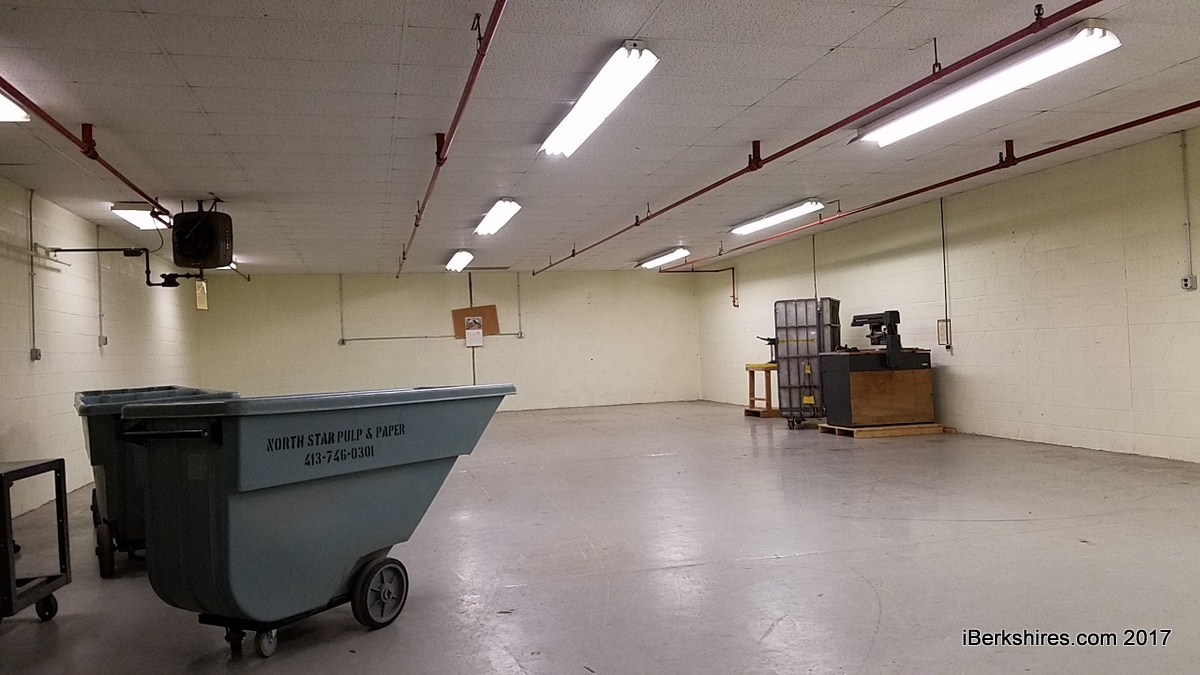
Just in the last year, his own company has added at least a half-dozen new jobs that expands its ability to provide construction and maintenance service to his tenants. About 9,000 square feet on the bottom floor will house the company's workshop, bringing together equipment scattered at various sites for lack of room.
What the building won't have is residential units.
"There was a very conscious decision not to do that here," Scerbo said. "What David's vision was how do we support the residential market here in North Adams? It's not by suckng it away and creating more residential here. ... It's about doing something here that's going to create activity, create jobs ... make the jobs for people who need to live in North Adams."
Tags: economic development, mill reuse, small business,