Renovation of Former Pittsfield Church Into Apartments Progressing
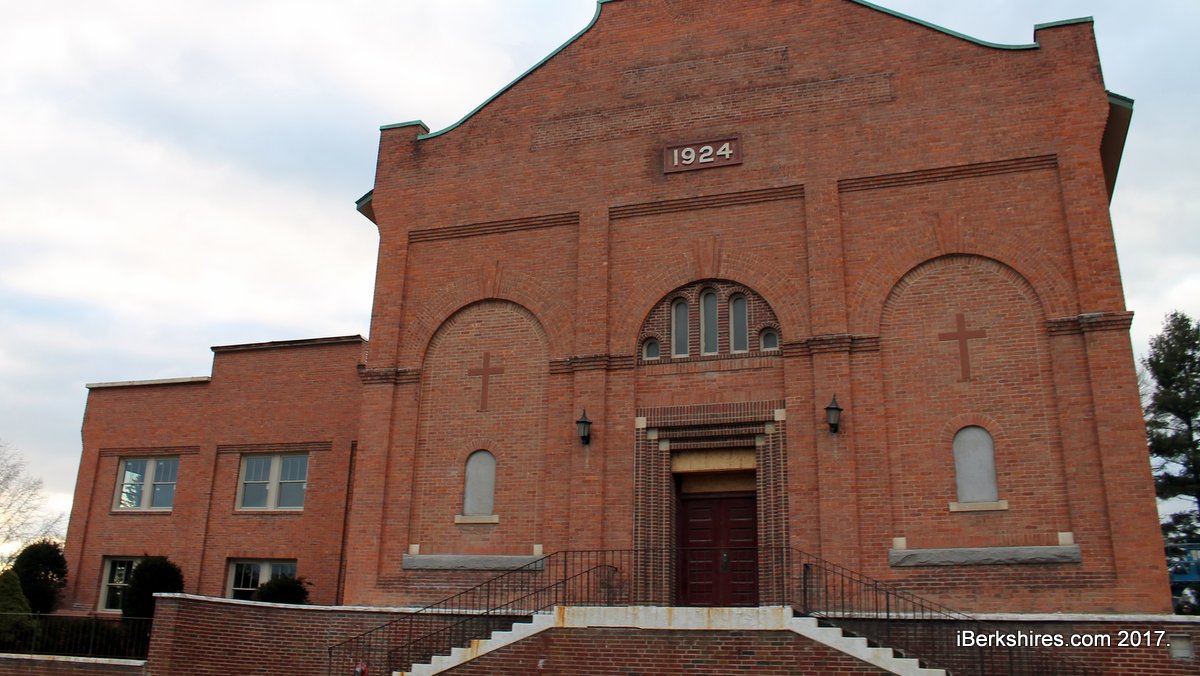
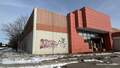
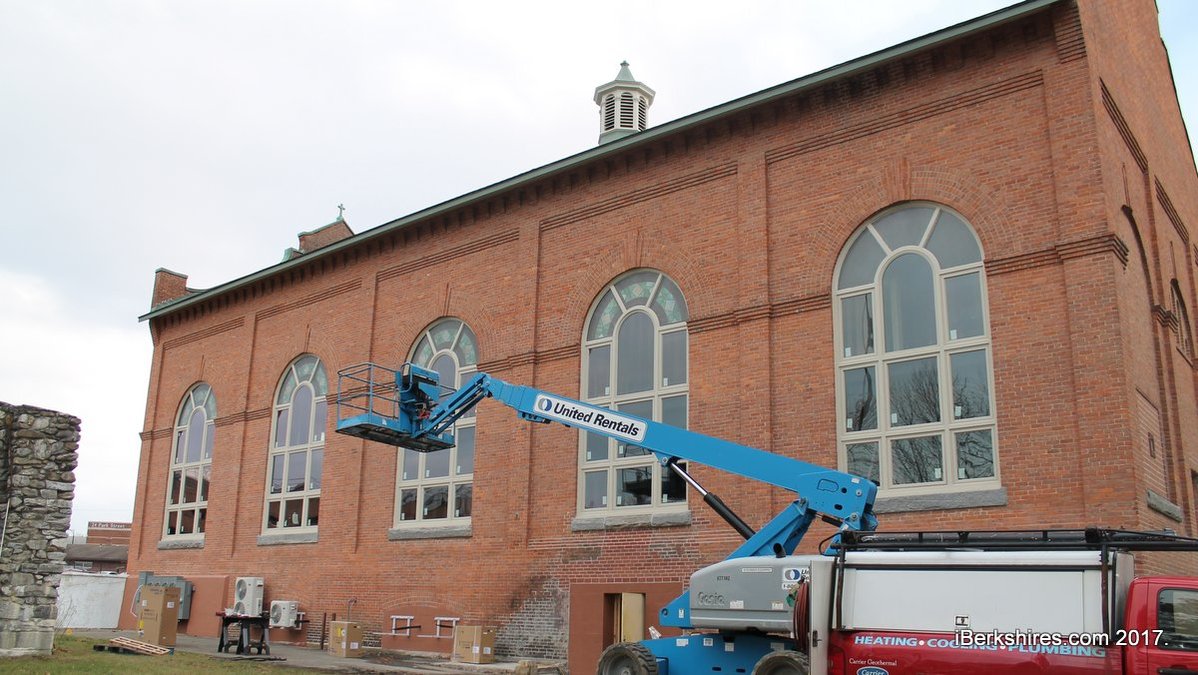
The building was first constructed in 1906 and transformed into a church in 1923.
Six years later, the facility was too small. The railroad built a new one on East Street and vacated the Seymour Street building.
The Polish community, however, had started petitioning the Catholic Diocese of Springfield for a Polish church. The diocese granted the wish and the former powerhouse was converted into Holy Family Church, opening in 1924.
Next year, that storied history will continue. The building is currently being transformed into 10 market-rate housing units. The apartments will be completed and leased in the spring.
The project is just the latest in a series of historical re-use efforts developers CT Management Group is undertaking. The diocese had closed the church in 2008 -- one of three closed in Pittsfield at the time. CT Management bought it early this year and, in July, work began to end a decade of vacancy in the building.
"We're going to do 10 really nice, modern, unique, residences. They are not traditional built-for-the-masses residences. These are going to have all the utility and modern elements but have the uniqueness of space that you can't find anywhere else," said Craig Barnum of CT Management Group.
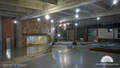
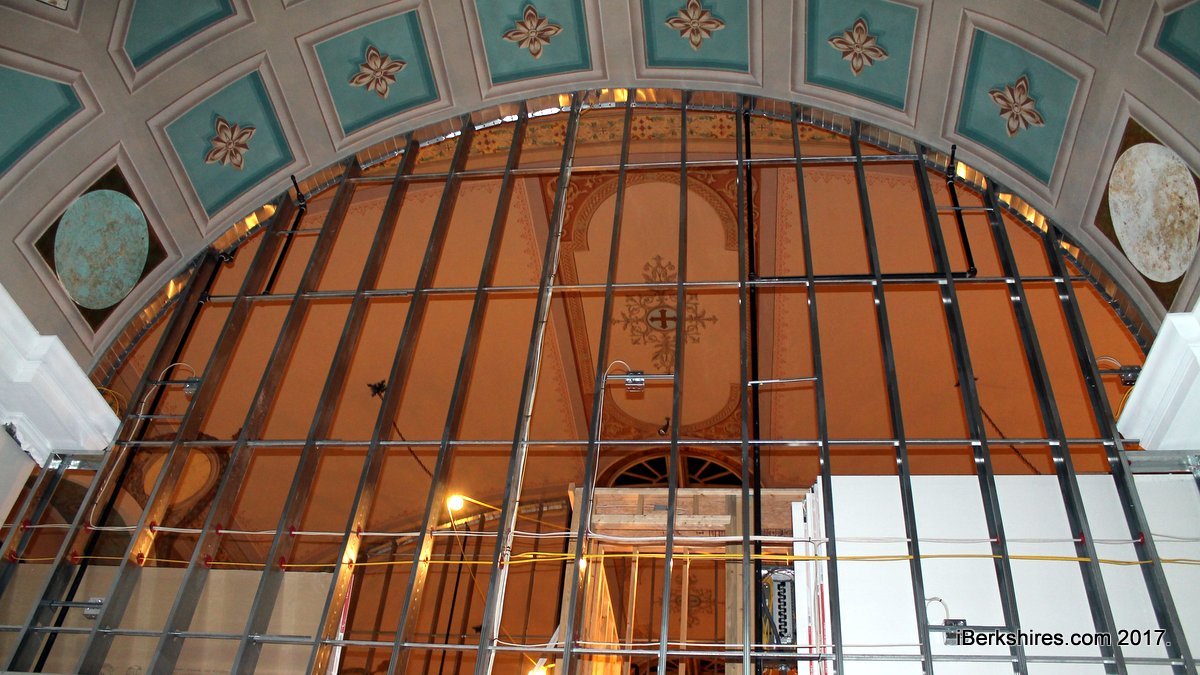
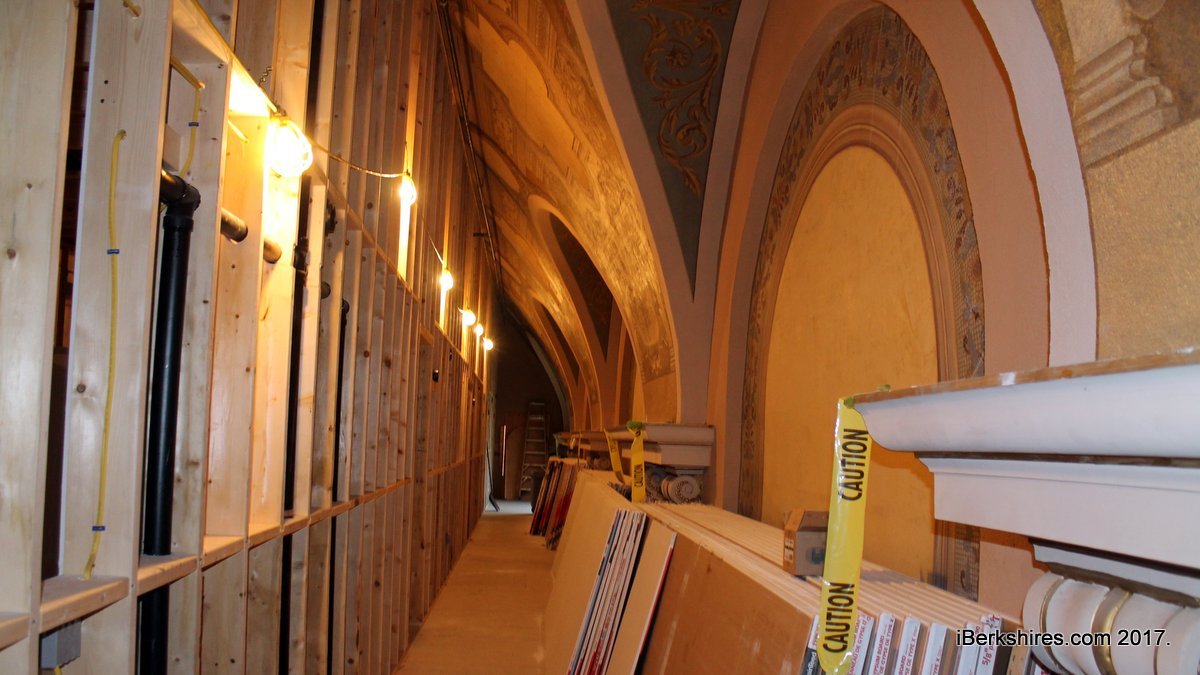
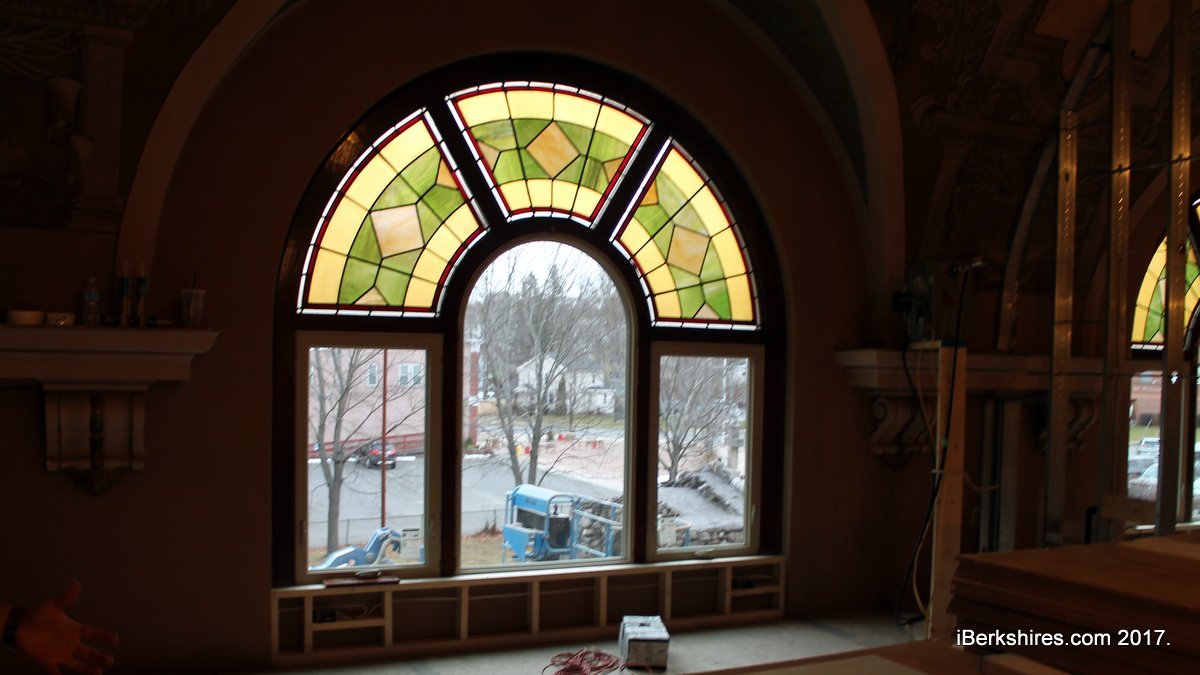
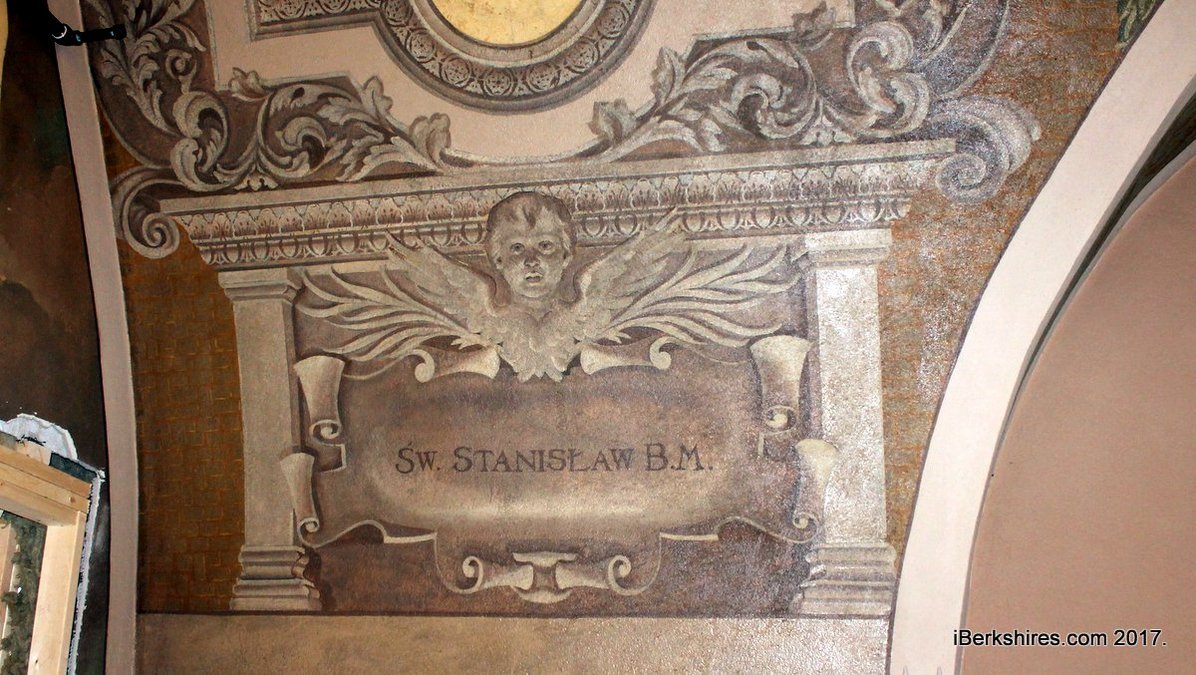
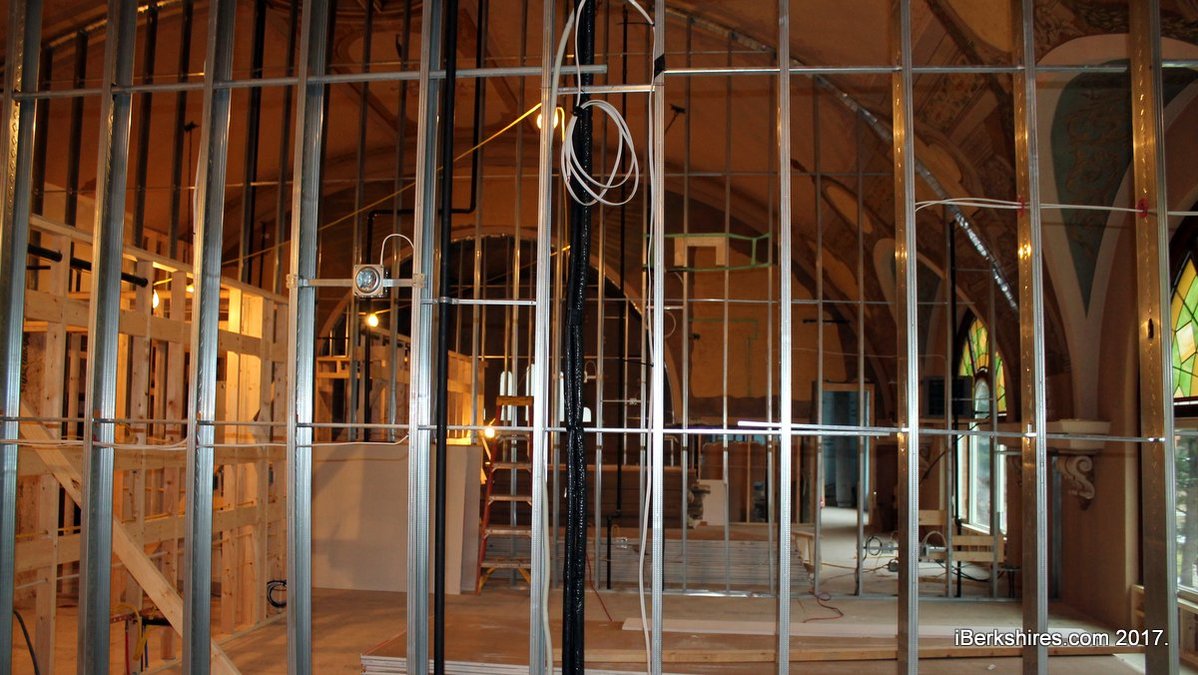
"There are extremely high ceilings in a lot of these units that have beautiful barrel arches. We've maintained a lot of the interior integrity in the molding. The windows are extremely cool."
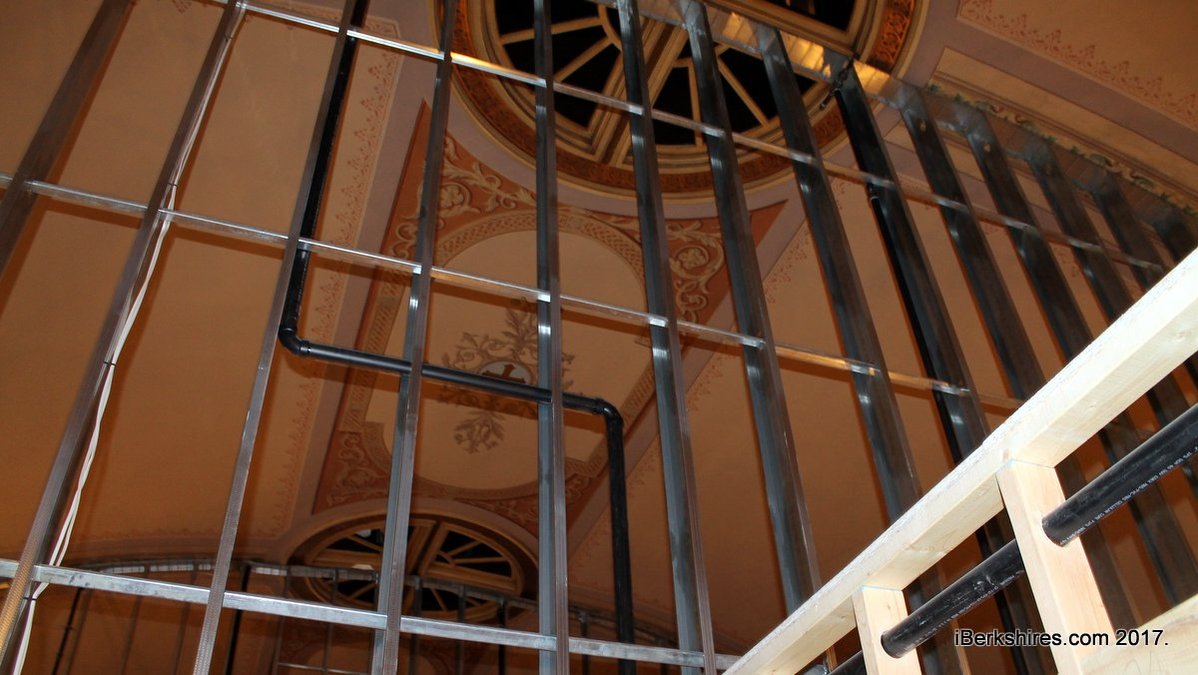
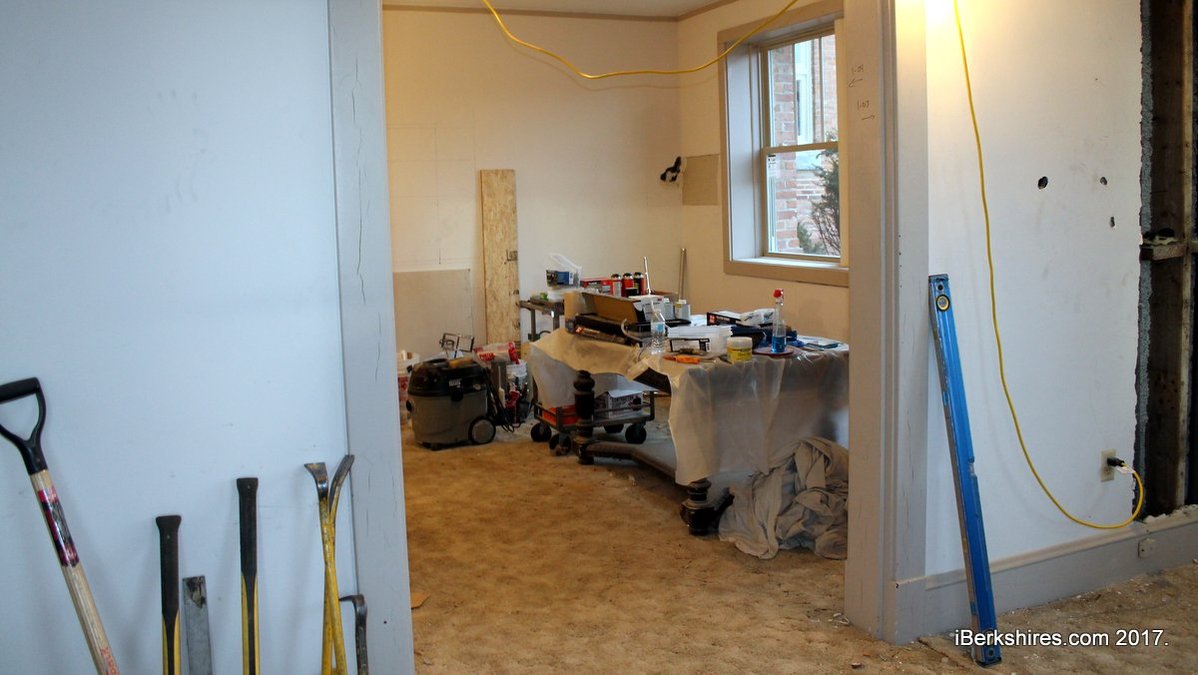
The developers have taken the main sanctuary of the church, built a second floor, and framed out what will be multiple one-bedroom units. Behind what was the altar, a new staircase will let people into the lobby. Barnum said the company tried to preserve as many of the historic features possible, keeping the tall arched ceiling in place and marrying the new walls of the apartments with it. The rectory will feature a four-bedroom apartment and a few smaller ones.
The result will be units with unique church features but modern amenities.
"Nobody else is going to have the same apartment as you. It is not like going into an apartment complex with 50 apartments and everyone is living in the same unit. These are unique," Barnum said.
The project has been under construction for six months but planning dates back to 2016. It is the second former church building in downtown Pittsfield the company has worked to re-use. Previously, the company renovated the former Notre Dame School into apartments. In North Adams, the company also renovated the former Our Lady of Mercy Church church into high-end apartments.
"It is important that we make sure to take beautiful, sound quality buildings like this and reuse them so a) they don't get torn down and you lose that history and b) they don't turn into blight and eyesores for people. This right here was not used. It wasn't used for a long time. It was doing nothing and now it is going to provide parking, housing. It is going to be a benefit for the city from a tax standpoint," Barnum said.
Barnum said the units are flexible for the needs of all demographics -- from young workers to retirees. He said there is a significant demand for market-rate housing in Pittsfield's downtown.
"Downtowns, you have the amenities, you are close to grocery, close to services, close to cultural items, which in Pittsfield has really grown in the last five or 10 years with Barrington Stage, the Colonial. We have more restaurants in and around the downtown. The downtown core in itself is one of the safest, if not the safest, segment in Pittsfield," Barnum said.
Recently, the city's downtown housing stock has seen a large increase. There have been multiple companies converting older buildings into market-rate rentals. Barnum believes even with the recent increase of available market-rate options, there is still a demand.
"While there has been a lot of housing in the downtown, I think there is room for much more. There are a couple other groups that do what we do in terms of taking some old buildings and making good quality housing. They've done it and have been successful at it. We've done it and have been successful at it," Barnum said.
"We don't view it as competition or a zero-sum game. We think there is room for another 100 to 200 good quality, downtown market-rate apartments. That will only help everybody. It will help the lower level retail. It will help the employers who are trying to keep and retain good quality employees. It is a piece to a larger puzzle."
But Barnum said making the dollars and cents work isn't always easy for re-using historic properties.
"There are limitations with these projects with respect to the current rent structures that this market can bear relative to how much it costs to build. We essentially have the same building costs as Boston but our rent structures are much lower. We don't get the $60 per square-foot. We get $12 to $18 depending on what is included and where it is," Barnum said.
But yet, the buildings are structurally sound -- particularly those built by the church.
"When the Catholic Church would build these buildings, they were strategic. Money wasn't that big of an issue so the integrity and structural soundness and the quality is significant," Barnum said.
The Berkshires have numerous church properties that have been shut down. Some of them have seen the wrecking ball while others are being re-used. CT Management has particularly picked up its focus on saving the historic buildings and what is now called "Powerhouse Lofts" is just the latest.
"We are definitely getting more experienced in how to navigating quicker around code aspects and retrofitting and adapting and reusing what we have," Barnum said.
Next month, CT Management will start pre-leasing space and expect in April or May the units will be ready.
Tags: apartments, church reuse, downtown, housing projects, Real Estate,