Plastic Bag Ban One Step Closer to Passing
PITTSFIELD, Mass. — The City Council's Ordinance and Rules Committee finally came to an agreement on a plastic bag ban.
A proposal to ban thin, single-use plastic bags, which are primarily used to bag groceries at the supermarket, has been working its way through the legislative process for nearly six years. It was proposed by attorney Rinaldo Del Gallo as a measure to reduce the amount of plastic bags causing damage to the environment.
On Monday, the Ordinance and Rules Committee finally agreed to the language of the ordinance and it will now go to the full council.
"The whole ordinance is banning the traditional single-use plastic bag," said Ward 3 Councilor Nicholas Caccamo who had gone through an effort to mesh language from two separate ordinances in hopes to craft one that matched the concerns councilors have raised through the process.
"I did my best to blend them into something where we could start and achieves a lot of our goals."
Caccamo's version of an ordinance served as the basis for Monday's discussion, a day the committee had previously voted to set as a hard deadline for voting on the ordinance.
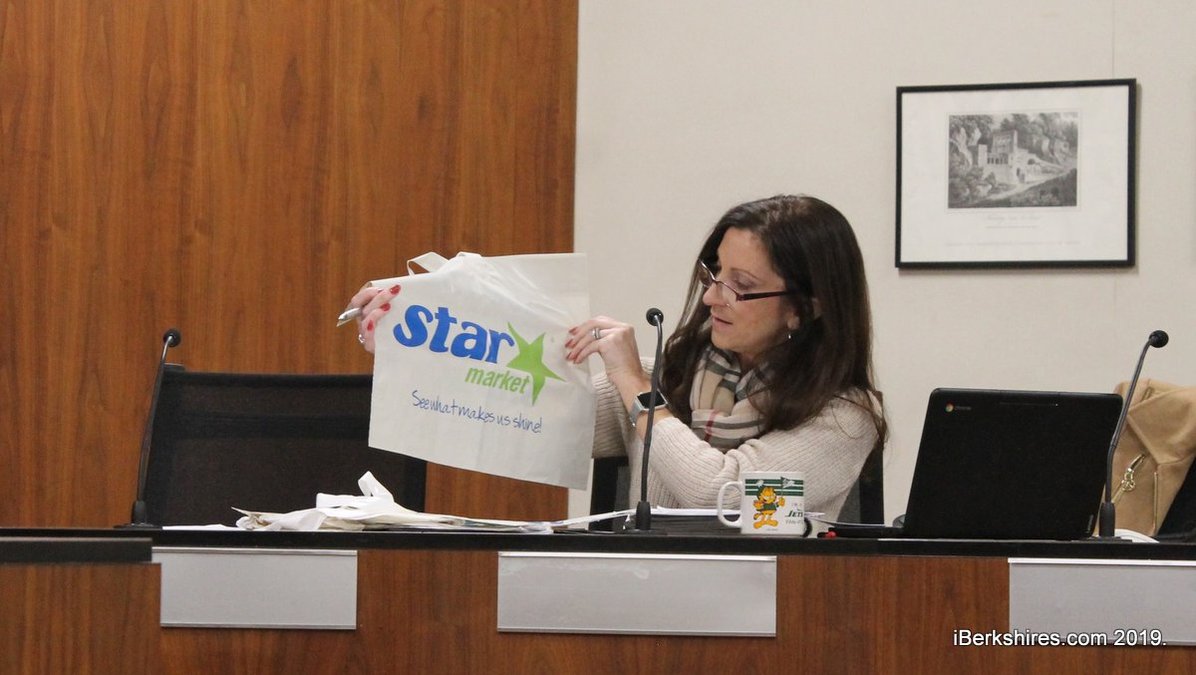
Councilor at Large Melissa Mazzeo had the floor for over an hour as she talked her way through the draft ordinance and proposed a number of amendments. All of her amendments were easily approved by the rest of the group.
However, one point of contention came between Mazzeo and Ward 6 Councilor John Krol over biodegradable plastic bags.
Mazzeo focused on allowing stores to switch to the biodegradable plastic bags, saying most retailers will turn to paper bags that come with a number of environmental concerns as well. She hoped to allow room in the provision for retailers to switch to bags that make look, feel, and act like the traditional plastic bags but could also be better for the environment.
"We clearly know a paper bag costs more and is more harmful to the environment than a plastic bag," Mazzeo said, saying she doesn't want to contribute to one problem while trying to address another one.
The council had been given a presentation by such a company making those biodegradable bags. Mazzeo believes those can take the place of plastic and crafted the language to allow that.
Krol, however, said those bags aren't as nice as the company that manufacturers them say. He said the bags will biodegrade but only in certain conditions, conditions that aren't often met. He said allowing stores to move to those types of bags goes against the point of the ban.
"These compostable plastic bags are simply not biodegradable like paper is," Krol said, calling the company's labeling of the products as being biodegradable a "marketing scheme."
Councilor at Large Peter White agreed, saying he has a concern about opening the door for micro-plastics. White and Krol, however, couldn't sway the other three members of the committee to join their side and Krol's motion to eliminate language allowing those bags failed.
Krol did get support for an amendment to have stores charge customers at least 5 cents for those type of bags. He said that would provide a disincentive for people to want to use them.
White was able to convince enough of his colleagues to fast forward the implementation date. The proposal originally called for an effective date one year after passage but White amended that to go into effect on Sept. 1, 2019. White said the ban given to the committee from the Green Commission last year called for a September start and this would follow that intention.
He added that the discussion has been ongoing in Pittsfield for a long time while other towns have been passing bans, and the state is considering one. He believes most in the industry will be able to make a fairly quick transition and if not, there is an option of filing for a hardship.
"Big Y has already done this. The state Legislature could have something voted on by September this year," White said.
The push to ban plastic bags has been growing and maybe the biggest shoe dropped late last year when Boston's ban went into effect. Earlier this year, Big Y had opted to voluntarily switch away from plastic bags across the chain because of the number of bans.
"Our customers and the communities we serve have made it quite clear that they prefer more environmentally friendly alternatives. We look forward to implementing this new program in all of our retail locations," Richard D. Bossie, Big Y vice president of store operations, said in the statement at the time.
But not all retailers had been so supportive of it. Representatives from Stop & Shop previously opposed the city's ban and said it would cost the store some $120,000 more per year because of the increased cost for paper bags. They opposed being forced to switch out 3.3 million plastic bags per year for the more expensive paper bags.
Most of the grocery stores in Berkshire County operate in towns with a ban in place, however, there are a few left in Pittsfield. That could change by the fall if the full City Council approves the ordinance.
"I just want something passed," Del Gallo said of the lengthy six-year road to get to that point.
Tags: bag ban, ordinance & rules ,