Brien Center Awarded $360K Curb Risky High School Student Behavior
PITTSFIELD, Mass. — The Brien Center has been awarded a total of $357,480 in state grants that will fund a first-of-its kind program in two Berkshire County high schools that is designed to reduce such risky behaviors as smoking, vaping, drinking and substance misuse that could compromise students' futures.
The local organization applied for the funds through a competitive grant process offered for the first time by the state Department of Public Health, Bureau of Substance Addiction Services, Office of Youth and Young Adult Services. The bureau awarded 18 grants statewide, with the Brien Center winning two of them.
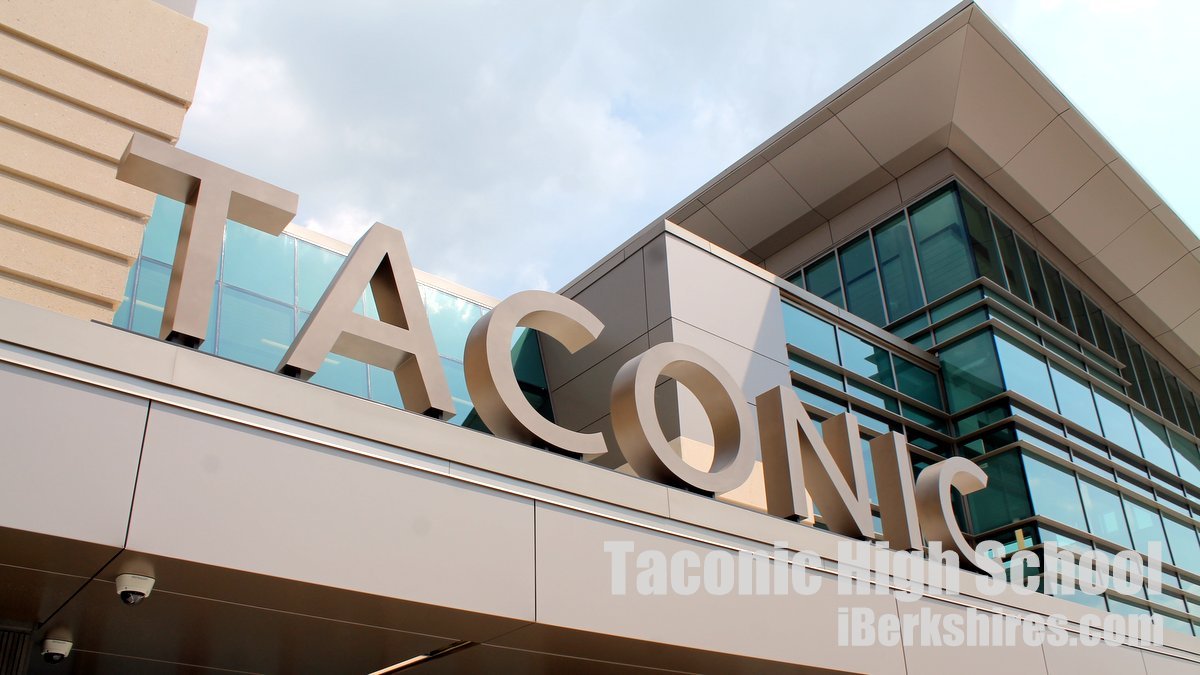
The grants will fund new and intensive services at Taconic High School in Pittsfield and Drury High School in North Adams – schools that already work closely with the Brien Center's youth programs. The schools are not identified because their students have riskier behaviors. Schools identified for the grants have a strong internal system to identify high-risk youth.
"We have had substance abuse educators in most Berkshire schools for 25 years on a limited basis due to funding," said M. Christine Macbeth, president and CEO of the Brien Center. "However, both Taconic and Drury have utilized our services to their fullest potential. This new grant will allow us to expand our collaboration to a much higher level."
According to Macbeth, one of the most unique features of the new grant program is the opportunity to now work with students and their families to curb identified behaviors that can easily jeopardize the student's future and reduce substance use disorders in adulthood.
"For the first time, we will have a clinician and two case managers in the two high schools who will carry a case load of 30 students and families," she said. "This is the kind of intensive family approach that will achieve a higher level of success."
Pittsfield School Superintendent Jason "Jake" McCandless said that collaboration among students, their families, the school, and the Brien Center is vital to the student's success and benefits the entire community.
"We know that for students to reach the potential that is present in all learners, we must work collaboratively with them, their families, and community partners," McCandless said. "We're fortunate to partner with the Brien Center once again to help students build a toolkit that will lead to happier, healthier and more productive lives."
Barbara Malkas, superintendent of the North Adams Public Schools, noted that youthful decisions around risky behavior can have long-lasting consequences.
"The wrong decisions can impact a lifetime and even limit a life span," she said. "By actively engaging our students and their families with clinicians and case workers from the Brien Center, we hope to destigmatize services for social and emotional well-being for our adolescent
community."
At present, students who are caught smoking, vaping, drinking or misusing drugs are often disciplined or suspended. "This program presents a new model that works with students and their families — including any other kids in the family — to end the kind of behavior that can escalate," said James Mucia, director of child and adolescent services at the Brien Center. "All of these behaviors are precursors to substance misuse disorders down the road. Our goal is to prevent that."
To qualify for Brien Center intervention, students must have engaged in a risky behavior that has not yet escalated to addiction. They can be referred by the schools, by the court, by health-care providers and even by their families.
Michael Monti, the initiative's program director and community liaison, said family referrals will signify that parents are ready to invest in their teen's better health and future.
"This program will enable us to look at the high school years in a more holistic way," he said. "We want students to get a great education. We also want them to graduate as well-rounded individuals who are ready to be successful when they take the next step to college or entering our local workforce."
Monti said the state grants will fund the program for three years. During that time, the Brien Center and the 16 other grantees across the state will keep close track of the data in hopes that the state will provide permanent funding.
Tags: at-risk, Brien Center, state grant,