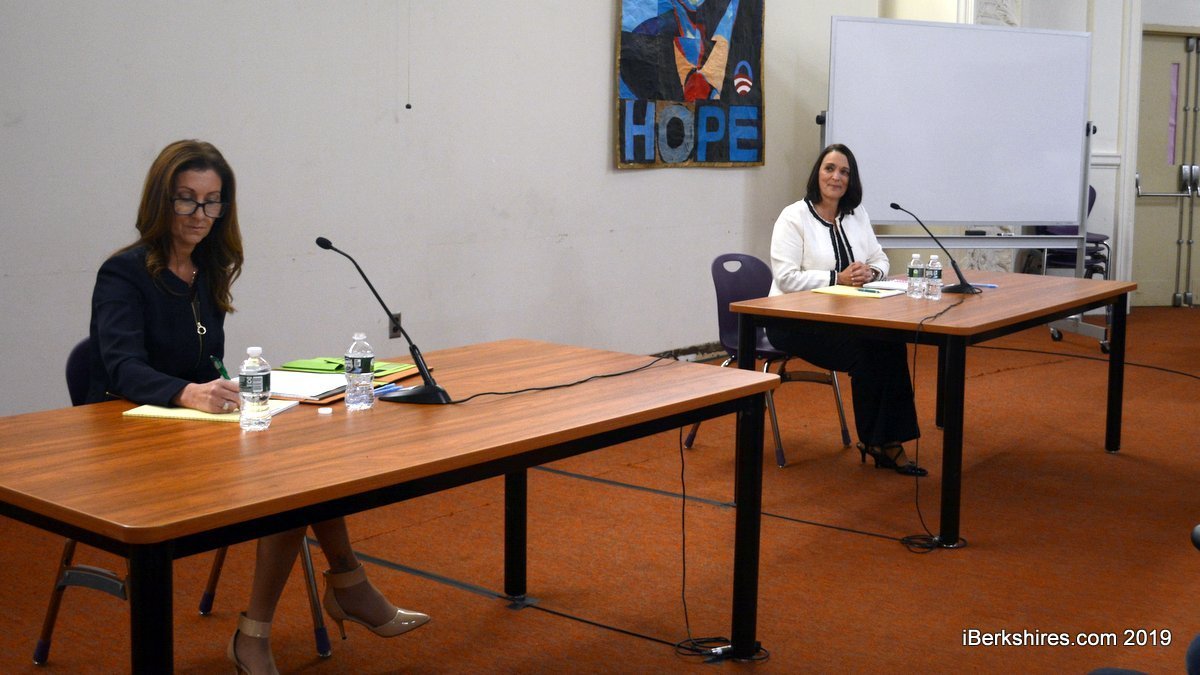
Pittsfield Mayoral Candidates Debate Education Issues
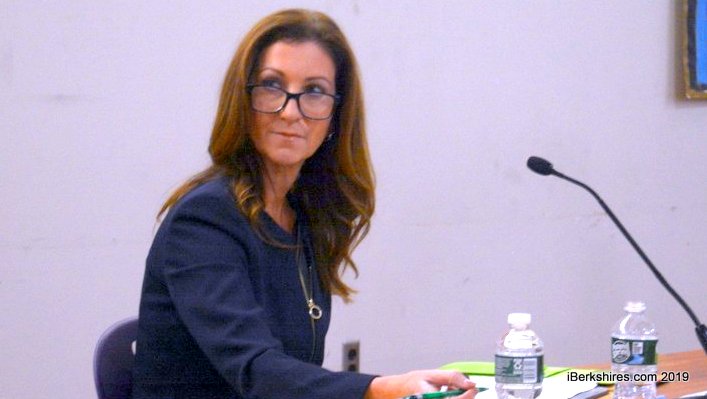
Melissa Mazzeo says the schools are in crisis.
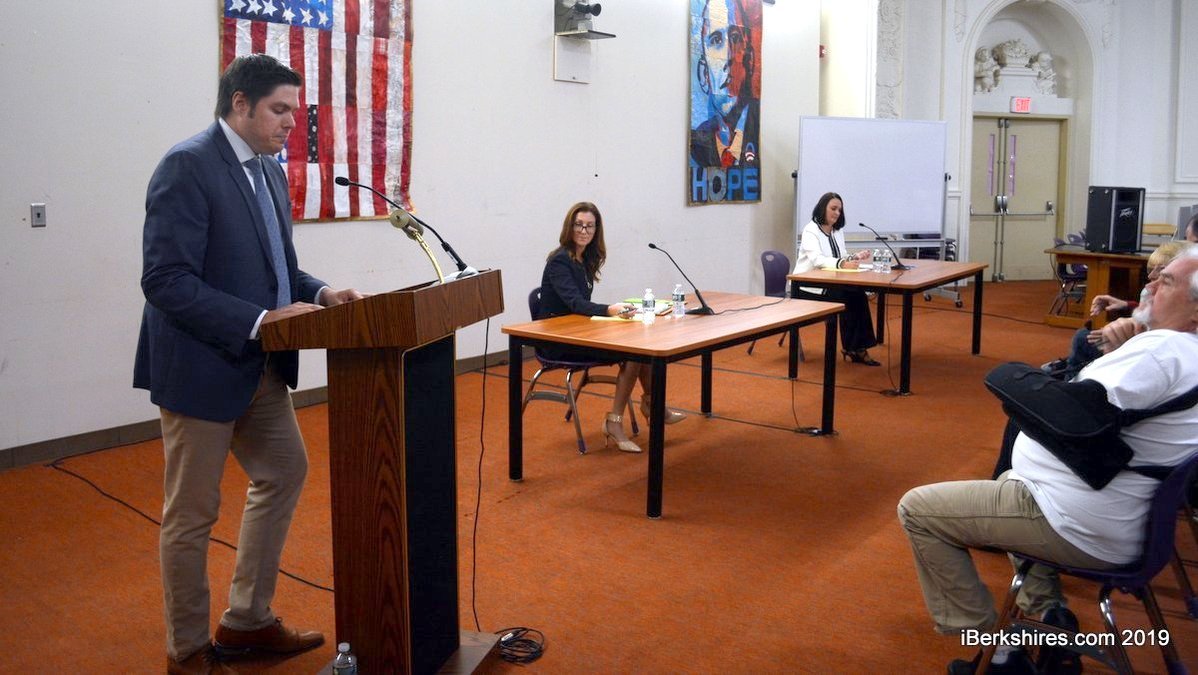
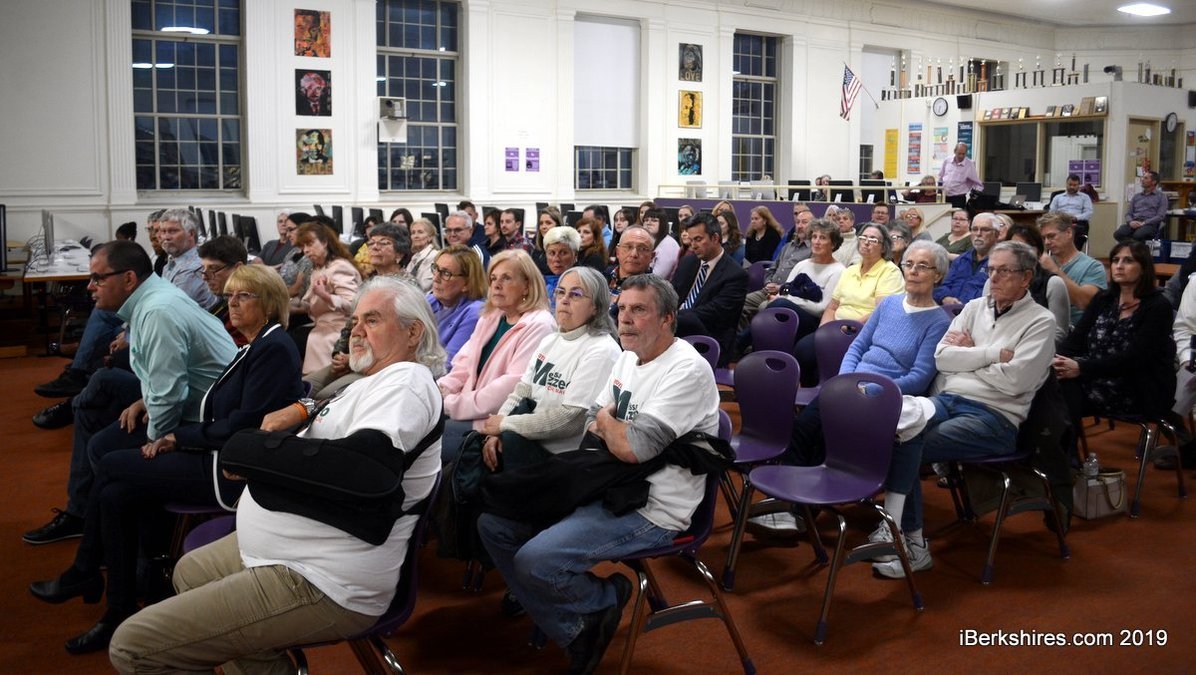
While both candidates agreed on some issues, challenger Mazzeo stressed safety and teachers' needs during the debate in the Pittsfield High School library and Tyer, the incumbent, the policies implemented during her tenure to address those concerns.
Mazzeo said although the city has great teachers and students there are real issues in the school system.
"We need to face reality our schools are in a crisis," the councilor at large said. "The teachers are not being heard and not being supported and the policies everyone is trying to implement are not working ... tonight you will hear the mayor use some words such as dynamic, progressive and vibrant and every time she speaks those words I want you to ask yourself is she speaking to the truth"
In Tyer's opening statement, she said her family had moved around a lot so as a student she was constantly entering new schools and communities and that the teachers were the ones who made her feel at home. She said teachers in the Pittsfield Public Schools system do the same and need to be supported.
"The teachers were the ones who helped me find my way, make new friends, treated me with kindness, and brought me into the new school environment that made me feel safe and secure and welcomed," she said. "I know in our school every day our teachers are doing that same thing."
Tyer said increased state funding should go directly into the classroom, and called out Mazzeo for past votes on the City Council regarding the schools. She said Mazzeo has voted to cut the school budget -- once by $200,000 -- and that she did not support a state law that would allow the School Committee to increase its budget if the mayor puts forth an underfunded spending plan.
Mazzeo said she may have voted against a line item that the council felt was not needed. Without having a specific example, she said it was hard to truly discuss the votes and that it may not have been a line item critical to education.
She said she supported putting the money toward alternative education centers and agreed that funding should go right back into the classroom but in the way that teachers want it to be used.
The candidates were asked about students with social-emotional problems and how they would help the schools deal with these issues.
Mazzeo thought there needed to be more adjustment counselors and proportionate to the students. She added that she did not agree with many of the school policies that address social-emotional issues. She feared that they created a "culture of leniency" and hindered teachers from teaching.
Tyer said things have already been put in place to address these challenges including labeling a specific administrator for social-emotional learning, implementation of a therapeutic program, and supporting alternative education. She said it is important to try to keep class sizes small, thereby giving teachers more control in a classroom.
The debate moved to the retention and recruitment of teachers and Tyer said she thought it came down to wages and that the city has to work with the schools and the teachers union to raise these wages so they are more competitive.
Mazzeo disagreed, saying she thought the main reason for migrating teachers was safety in the classroom and in the community.
"The crime in our community is literally infiltrating into our schools it is happening as low as our junior high," she said. "I don't want to sit up here and sound like I am super doom and gloom but I think we really have to take our heads out of the sand if we want to address these issues."
She said she also wanted to bring back a truancy officer.
Mazzeo doubled down when asked why students were leaving the district and said many do not feel safe. She said although the district may have beautiful new schools there is still trouble inside the walls.
Tyer responded that to attract students back to the district they need to do a better job advertising
"I think we have to do a better job of promoting what our schools offer and a better job at showcasing the outstanding accomplishments of our students," she said. "There are so many things we can offer kids of all abilities and of all interests right here ... we just need to tackle our challenges head-on but celebrate the things that make our schools special."
Tyer added that the city has made strides to try to improve community safety including hiring more police officers and giving them more resources.
Mazzeo thought more needed to be done with emergency drills make sure the schools are prepared for all situations. She said parents should feel confident when dropping their kids off in the morning.
The conversation then moved to testing and Tyer said state and district testing was important in terms of creating important data but she thought too much testing could be a detriment in the classroom.
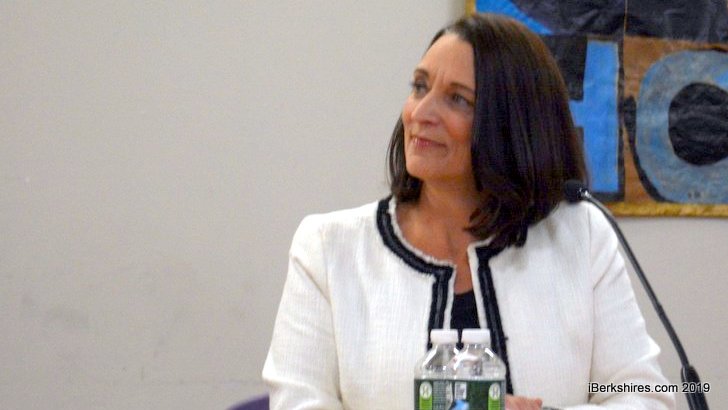
Linda Tyer says there are problems but also things to celebrate in the schools.
Mazzeo agreed that she would like to tone down the testing that she felt can disrupt the classroom and cause anxiety among students. She said she thought teachers are the ones who have a real sense of a student's progress.
Both candidates thought vocational education was critical in the city and school system. Mazzeo said it was a good opportunity to develop the workforce that will help the city's economy.
Tyer added that she thought it went beyond vocational education and the schools need to partner with more local businesses, institutions, and organizations to develop future employees that will stay in Pittsfield.
The last topic was facilities and Tyer noted that some of the older neighborhood schools really need some attention and another Massachusetts School Building Authority project should be part of the community conversation. She said it is also an opportunity to look at enrollment and school organization specifically at the middle school level.
Mazzeo agreed and said as a member of the School Building Needs Committee she knows there a great needs in many of the schools. She did add that she did not know if at this juncture the city could afford a new school or renovation project. She said this all has to be considered and a conversation needs to be had with the community.
Mazzeo did make a point to question many of Tyer's proposed plans and asked why she had not addressed these problems in the past four years.
"If I were the mayor I would be doing these things ... all the issues that have happened over the past four years I don't understand when the mayor says we should be doing this," she said. "We should have been doing this for four years and this is why we are in the position that we are in ... we can't make everything sound like unicorns and fairies."
Tyer responded that Mazzeo has had 10 years as a councilor to submit petitions and effect change in the community herself.
Both candidates offered a closing statement and Mazzeo said as mayor she would manage with an "inverted pyramid" style. Specifically, with education, she would work directly with the teachers who truly know what's best for the schools.
"We really have to face our problems head on and I will support you. My job as the mayor is to support you," she said. "I think we need to be there and hear what you have to say. We have unbelievably talented teachers but our schools are not progressing ... we have to ask why that is happening."
Tyer closed by saying a mayor has to handle a lot of things at once and that she has accomplished this through "good old-fashioned hard work" and looks to continue strengthening the city.
"For the last four years, I have been working hard to build a stronger city and certainly our schools are part of that and I look forward to serving you for another four years," she said. "We have energized the economy, we have showcased our city around the commonwealth, and we have brought over $17 million in grants back to the city ... and I actually think I got through the debate without saying dynamic or vibrant."
Tags: debate, election 2019, mayor,