Guest Column: Our Cultural Organizations Need Us Because We Need Them
In the Berkshires, our arts and cultural organizations take on another dimension as well. Here, they are a way of life. The Berkshires are a hub for people from all over the world to visit to enjoy our cultural offerings. From the Norman Rockwell Museum to Shakespeare & Company to Mass MoCA to Tanglewood, our cultural organizations bring a vibrancy and joy to life that is unique and gives additional breadth to a culture that is so singularly Berkshire.
Being an arts and culture hot spot brings with it a local economy that is directly intertwined with these organizations. This is also true for the hotels, restaurants, and shops that depend on catering to tourists and visitors that come for the year round and seasonal cultural attractions. Approximately 8,000 jobs in the Berkshires were tied to tourism last year, and hotel visits and restaurant dining created $1.2 billion in economic activity in 2017. Our local economy is an ecosystem with arts, culture, and tourism being significant contributors to its health and well-being.
The novel coronavirus pandemic has disrupted every facet of life all around the world. Apart from our health-care system, this has been made no more apparent than in the economy. People across our world, country, and state have been laid off, through no fault of their own, because of the social distancing measures that are necessary to save lives and keep this pandemic in check. In the Berkshires, the negative impacts on our arts and cultural organizations and the tourism they bring will have ripple effects throughout our local economy.
For this reason, I was proud to co-file two pieces of legislation, along with my Berkshire delegation partner Representative John Barrett III from North Adams, to address the needs of cultural organizations. This would establish a COVID-19 Nonprofit Cultural Organizations Emergency Relief fund to provide grants for nonprofit cultural organizations that are experiencing financial hardship because of coronavirus.
Not only would the grants help our local cultural nonprofits cover expenses during this time that the pandemic has caused them to cease operations, this assistance would be a valuable stimulus to allow them to hit the ground running once social distancing measures have been lifted. These grants would extend a much-needed lifeline to arts and cultural nonprofit organizations across the commonwealth.
The final benefit of this program cannot be measured in terms of economic output. Once the dust settles and we are allowed to once again meet in person, we will all crave the contact with one another that has been deprived of us during this time of social isolation. We will need to process.
We will need to express. We will need to be distracted. We will need to connect. We will need to listen. We will need to be entertained. We will need to laugh. We will need to sing. We will need to cry. We will need to heal. The arts give us all of this, and we will need them after this pandemic more than ever. I am grateful to our local cultural organizations for bringing all of this and so much more to those of us who are fortunate enough to call the Berkshires home as well as those who are just passing through. I will always do what I can to ensure that they continue to enrich our lives and bring joy to our communities for years to come.
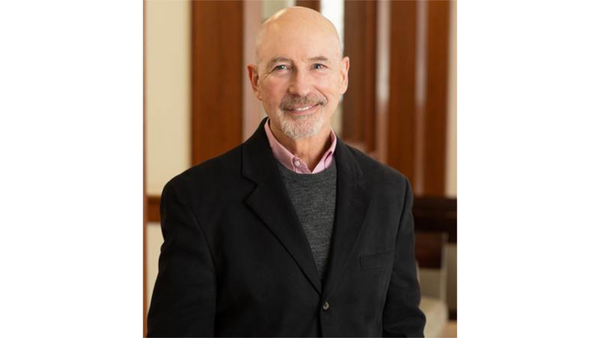
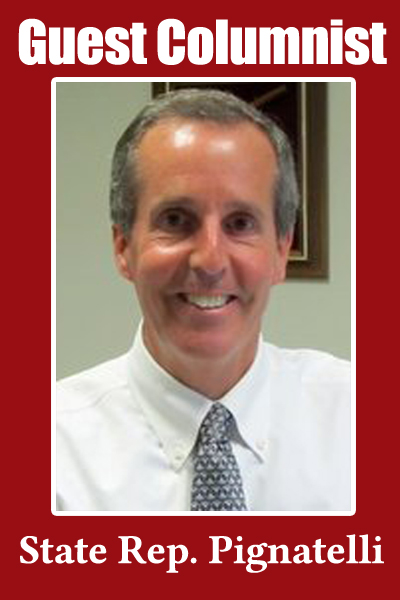
State Rep. William "Smitty" Pignatelli represents the 4th Berkshire District. He is chairman of the Joint Committee on Environment, Natural Resources and Agriculture.
Tags: guest column, Pignatelli,