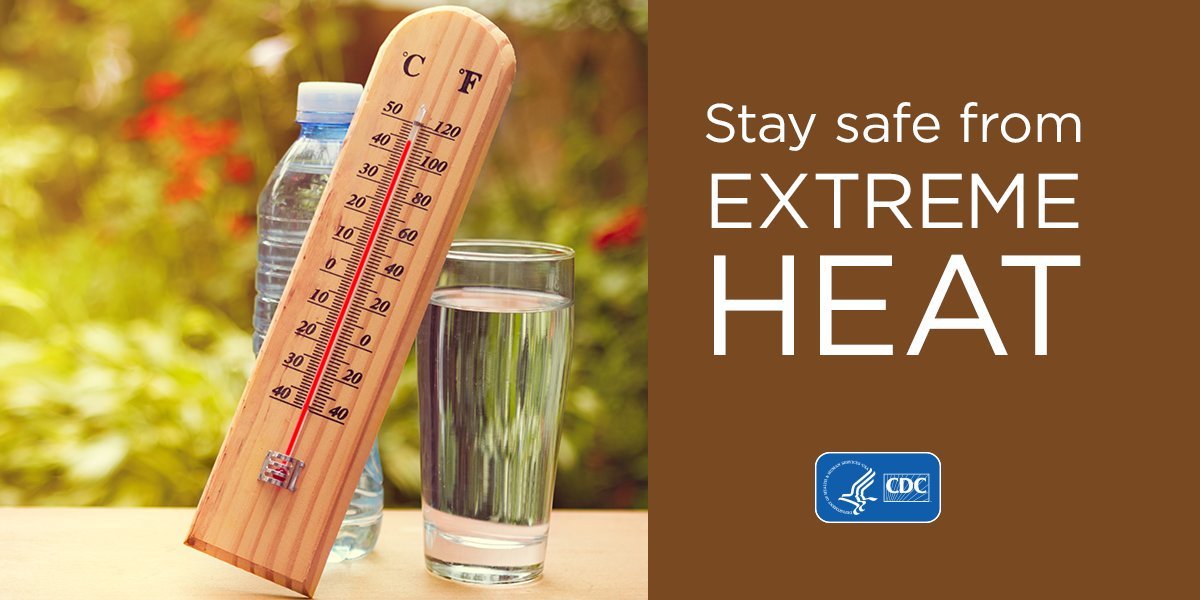
Heat Stroke Is No Joke
As states begin to relax stay-at-home COVID-19 restrictions, populations on lockdown are flocking outside -- just in time for summer. As the mercury rises, however, so do reports of heat-related illnesses. Heat can trigger exhaustion and heat stroke, and, like COVID-19, can exacerbate underlying conditions like cardiovascular, respiratory, kidney or mental diseases.
Heat stroke develops quickly and is a life-threatening emergency. The condition occurs when the body is exposed to excessive heat and produces or absorbs more heat than it can release, causing the body's temperature to climb. The condition can affect anyone, but young children and the elderly are most vulnerable. Additionally, people who work outdoors, persons with mental illness or obesity, and those taking certain types of medications or drinking alcohol are also at higher risk for heat-related illness.
Before you head to the beaches and barbecues this summer, the folks at AMR suggest reviewing the symptoms of heat stroke, how to prevent it, and what to do if you suspect it in yourself or a loved one. The adverse health effects of hot weather are largely preventable through good public health practice, while also following the advice to protect yourself from coronavirus.
The following are the most common symptoms of heat stroke. However, each person may experience symptoms differently. Symptoms may include:
• Headache
• Dizziness
• Disorientation, agitation, or confusion
• Sluggishness or fatigue
• Seizure
• Hot, dry skin that is flushed but not sweaty
• A high body temperature
• Loss of consciousness
• Rapid heartbeat
• Hallucinations.
The symptoms can resemble other medical conditions so it's important to consult a doctor for a proper diagnosis.
Your best defense against heat-related illness, however, is prevention. Staying cool and making simple changes to what you do, what you drink and what you wear in hot weather can help you remain safe and healthy.
The following precautions are not a substitute for medical care but may help you recognize and respond quickly to warning signs of trouble:
Hydration is key: If a person becomes dehydrated and cannot sweat enough to cool their body, their internal temperature may rise to dangerously high levels, causing heat stroke. The Centers for Disease Control and Prevention ecommends that during outdoor activities in the extreme heat, regardless of activity level, everyone should drink two to four glasses of cool drinks, preferably water, each hour. Beverages that contain alcohol or excessive sugar should be avoided as they make matters worse, speeding up the loss of body fluids.
Extreme Heat/Check Backseat: In some heartbreaking cases, caretakers had been unaware that a child or a pet has climbed into an unattended vehicle. It’s important that you check the back seats and trunks of your vehicles during episodes of extreme heat.
Protect your pet: Because pets regulate body heat differently than humans, the Humane Society warns against leaving pets in cars for any period of time, even if you have left your air conditioner running.
Dress the part: Wear a hat, and light-colored, loose-fitting clothing. Carry a spray bottle and mist yourself with cool water throughout the day.
Bottom line: Don't allow yourself to get to a point of no return. Just being outside in extreme temperatures, even in the shade, can be risky. If you or a family member start feeling "off" or are unable to cool down, it’s time to go indoors and cool off. Seek medical attention immediately if any symptoms of heatstroke manifest.
It has been a difficult spring, but if we take these common-sense precautions to protect ourselves and the public health, we will be well on our way to a much better summer. Stay safe.
Patrick Pickering is the regional director of American Medical Response of Western Massachusetts.
Tags: heat,