Butterflies Like it Hot at Mountain Meadow
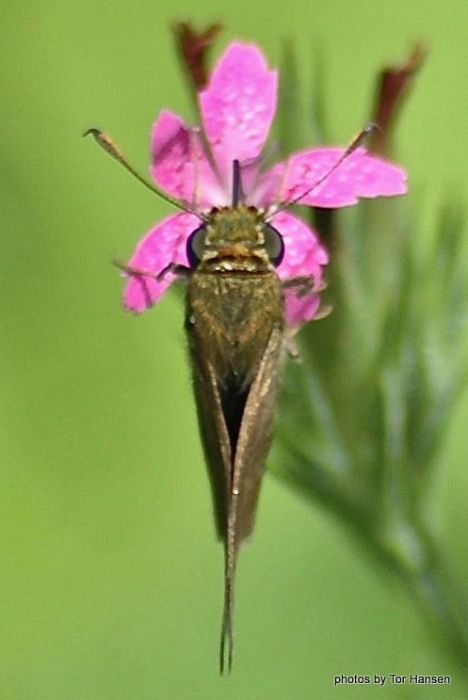
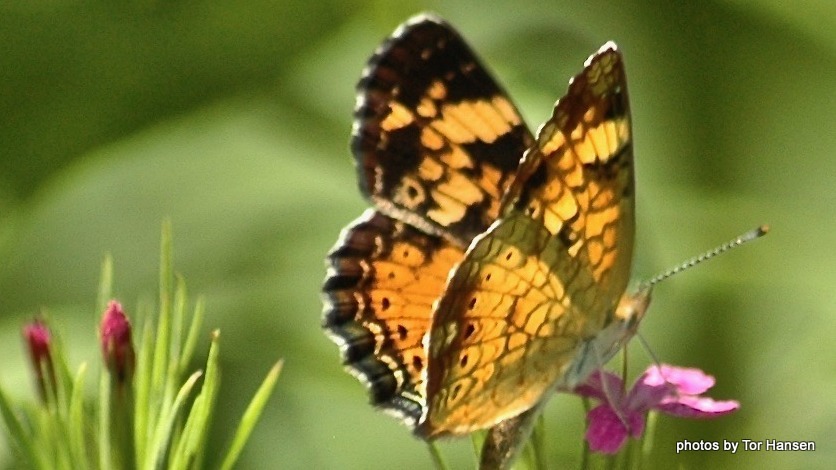
Likely northern broken dash skipper imbibing nectar at Deptford pink.
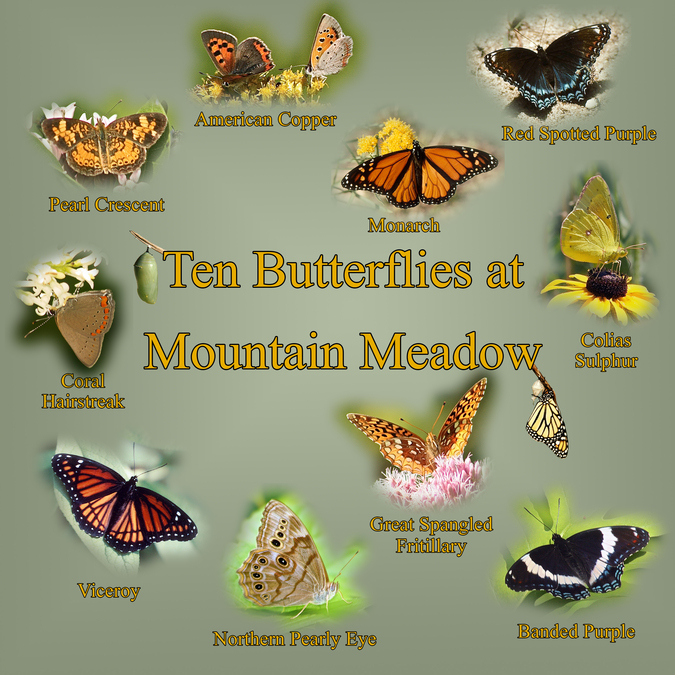
Thanks to lucid awareness of the ecological value of so many concurrent species — upwards to 30 — the Trustees of Reservations has saved these 20 acres called Mountain Meadow Preserve. Although seldom seen altogether since they have different flight periods, and separate nectar preferences, a surprising assortment of butterflies can be seen imbibing at the same plant.
What a potpourri! Hardly a dull moment in July.
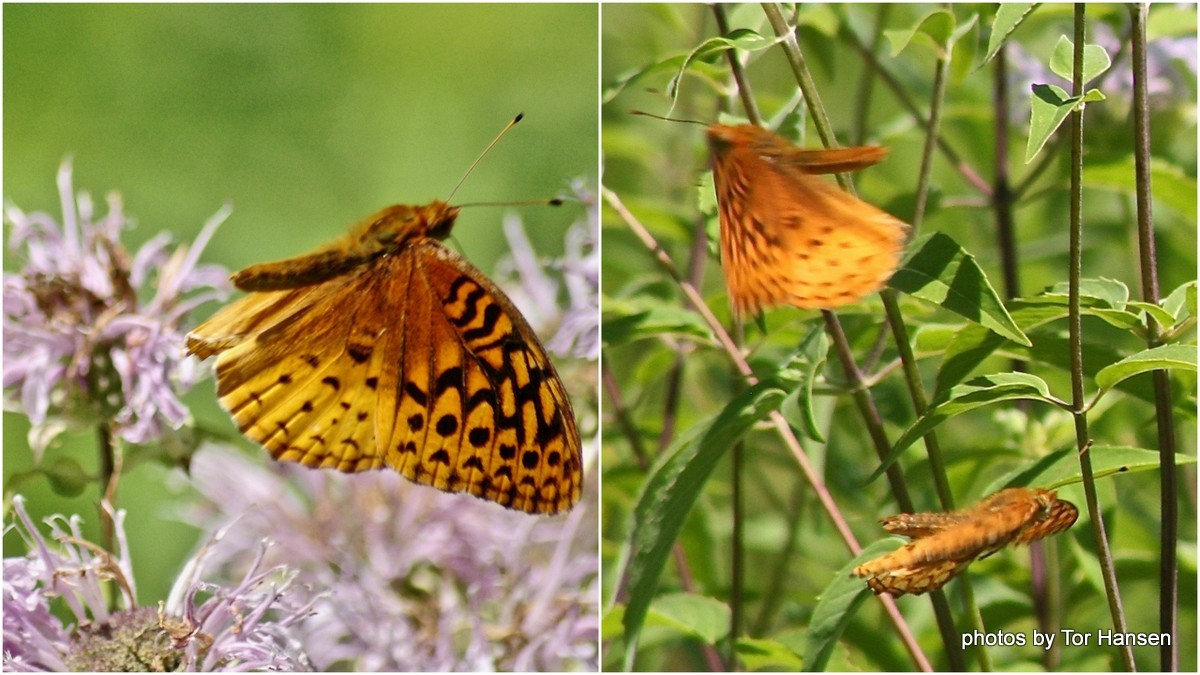
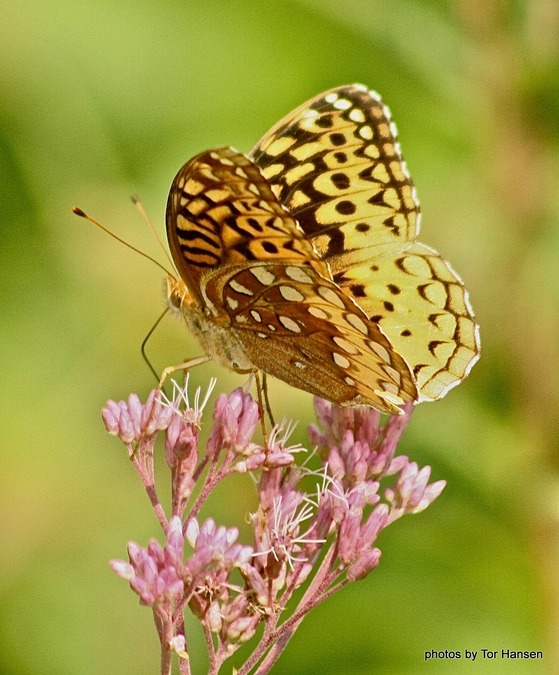
Milkweed reached peak bloom by July 1 with signs of withering postbloom flowers and butterflies are abounding. Skippers display their acrobatic skills dashing about, glad to find pink clover serving the thirsty. Toads were tiny. Tiger swallowtails in their abundance were fulfilling my vision of halcyon grandeur. Great spangled fritillaries are having a light bonanza as they zip about in spurious search for nectar. Brief encounters yield a spontaneous aerial dance as males test for territory, and hopeful honeymooners find each other. Then their harmonious spiraling ballet may take upwards 10 to 50 feet encircling like the double helix.
Speyeria cybele will also court briefly other species like monarchs, swallowtails and purples. Capitalizing on their superb wing structure and effective Bernouli lift, they exhibit amazing acceleration, and In their blurry burst of orange they may traverse other oasis, dashing like darts on the chase.
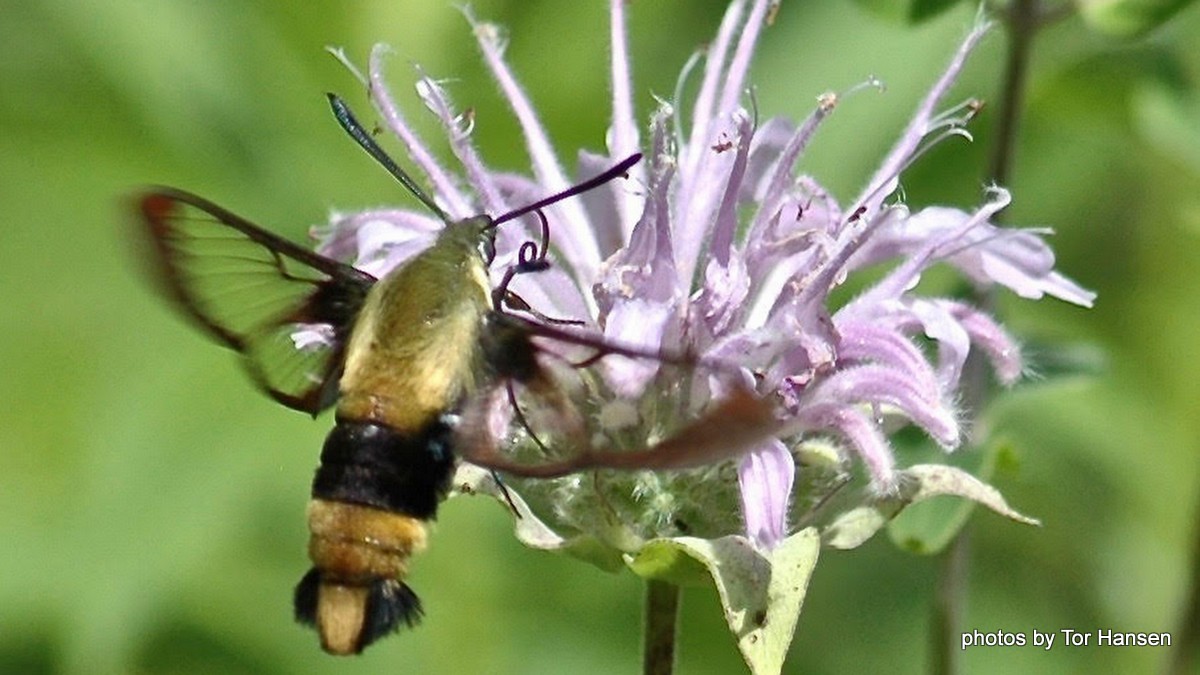
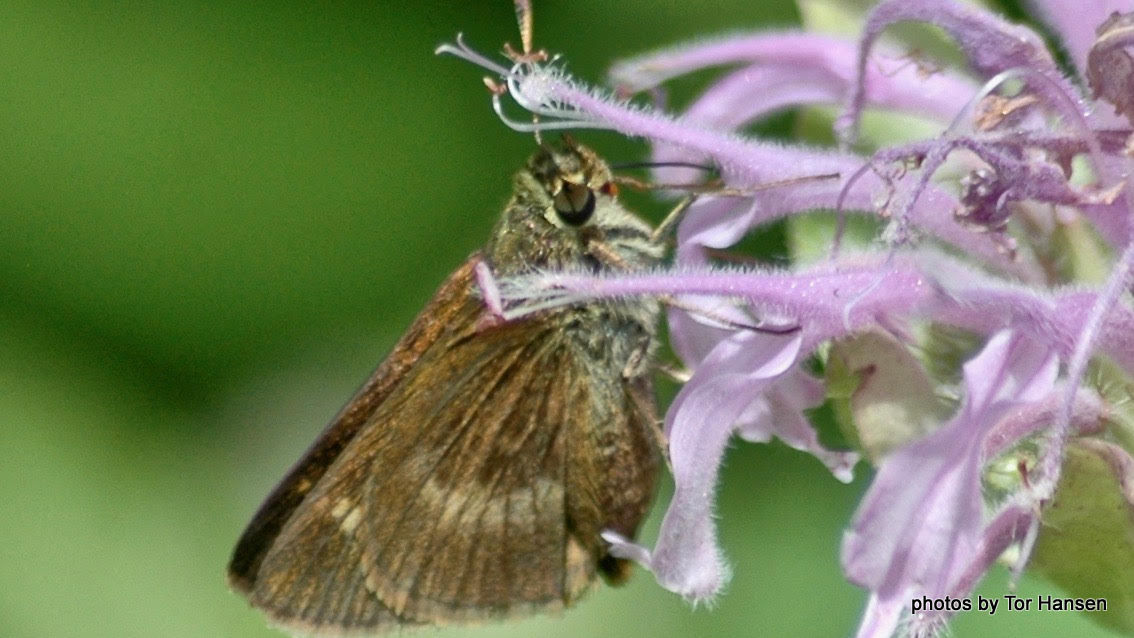
Fritillary zeal is enhanced manifold when the busiest oases arise as lavender bergamot bursts into bloom. Because their outsprung petals in curving sprawl remind me of Russian Cossack dances, they suggest a beaconing hubbub. These clusters attract assorted bees and pollinating syrfid flies, as well as energized skippers, pearl crescents, wood nymphs, coilas sulphurs, and hummingbird moths. Occasional red spotted and banded purples sip nectar there too, creating a desired serendipity. Let us recognize what little credit is given to those minute species, like cuckoo and sweat bees and the tiniest wasps classified in the micro-hymenoptera, a widespread order of surprising diversity.
As I watched the commotion at a clump of bergamot, a cabbage white flit leisurely close to me, as if its curiosity led it within an arm’s reach to check me out. Many species will fly close to you, personalizing my studies, and endearing a recognition of reassurance. That warms the soul. That led me to look closely at a bergamot bloom to find a still very active potpourri.
Often taller than a man, Joe Pye weed also grows in large sweeping curves like curtains and clusters, indicating an underground water table permeates much of Mountain Meadow.
Their roots are known to like being wet on the sloping dark soil of the former farm. Slow to mature into pink rice-like multiblooms, their widespread flower heads resemble distant galaxies in space, and they rock in a breeze like a wave in synchronicity. When at last the stout leafy stems bear enough nectar to serve the denizens, you know it is August. At least this summer 2020.
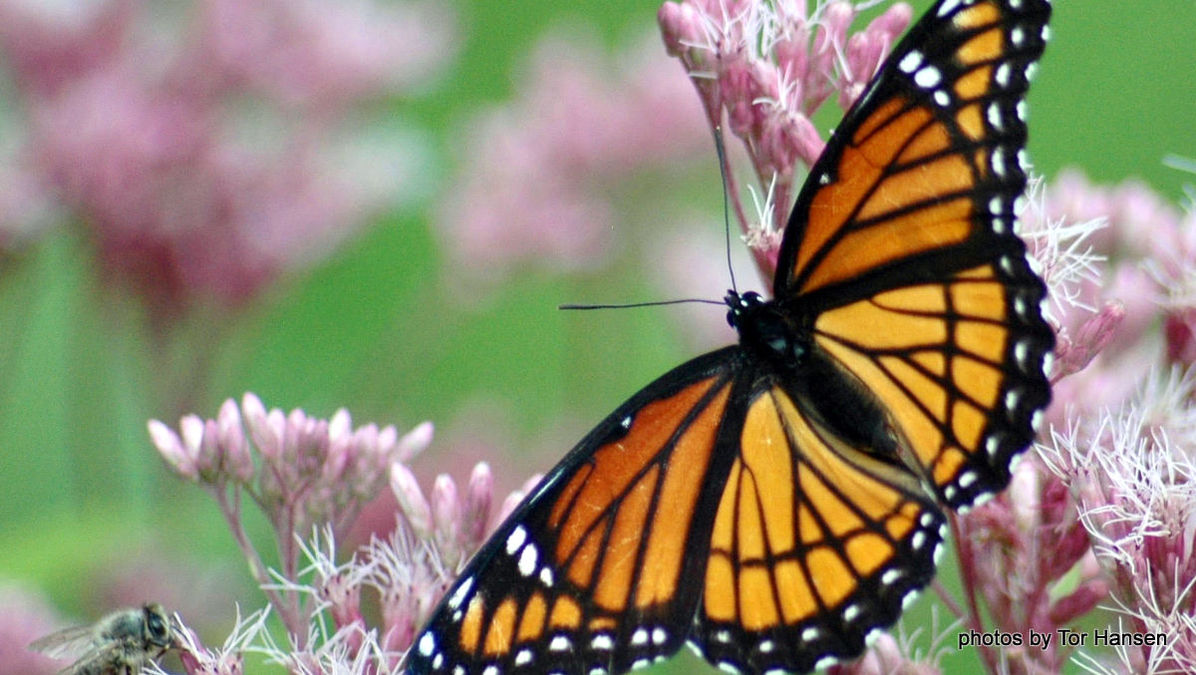
Hummingbird moths (genus Hemaris) wouldn't hesitate to sip at will, even circumnavigate the crown that appears crowded with varied species of the insect realm that adjust for space in the central disc. They zip about so quickly that departure follows the momentary sip in the blink of an eye. Skippers may linger longer to savor the sugars, and the snowberry moth (that resembles an actual hummingbird) may bypass the thirsty skipper, allowing it to feed continuously. However smaller sweat bees will deliberately bump or forcefully slam into the larger swallowtail, monarchs, and viceroy, as if to say, "Hey, leave some nectar for somebody else!"
Nestled among the taller weeds, the tiny pink petals of Deptford pink announce their presence. Likely an accidental transplant from Europe and Asia, these tiny pinks lure in small and tiny insects that work the flowers for nectar rewards. They are probable pollinators that do visit a host of other wildflowers. Even when bergamot goes into postbloom decline, Deptford pink displays continual bloom throughout July and August, serving the nectar thirsty as the photo record confirms.
The deep-seated nectar well rests within a miniature "corn husk" called a calyx, and serves skippers (family: Hesperiidae) that evolved longer tongues engineered to obtain deep nectar.
Enjoy the feeling of transposing yourself into the microcosm here, and glimpse the tiniest of bees, wasps, skippers, and the role of the ever-present pearl crescent that will perch on the pink petals, and gather what small amount of fructose its minute proboscis can siphon.
However the family Lycaenidae includes a handful of smaller thumbnail-size blues, coppers, elfins, and hairstreaks, that are very much key pollinators, often exquisitely colorful. Apply a taste test just to ascertain how much nectar may be present within each nectar well.
I was disappointed to find very little sweet nectar, in fact the usual tasting included Joe Pye as well and proved quite acrid or straw bland. Thus my appreciation for all their work for little reward is yet again enhanced. And they risk it all each time they imbibe at the oasis: Throughout the whole summer no birds were attacking, and warning colors of orange and black herald toxicity and distasteful mimicry.
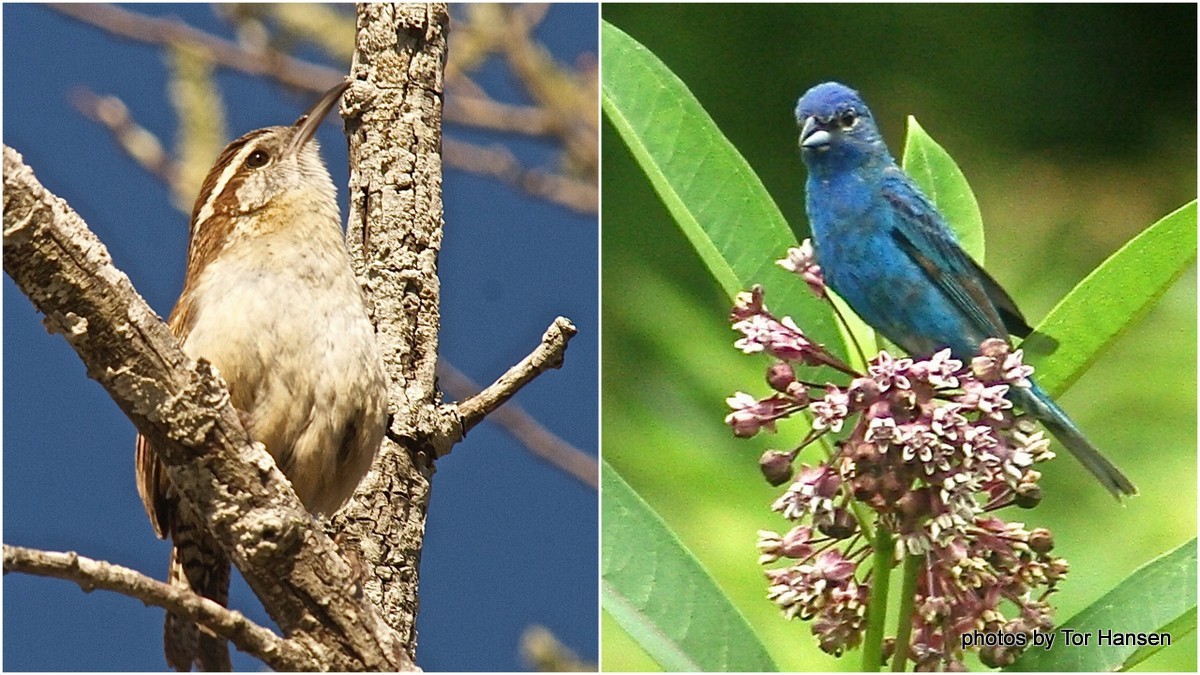
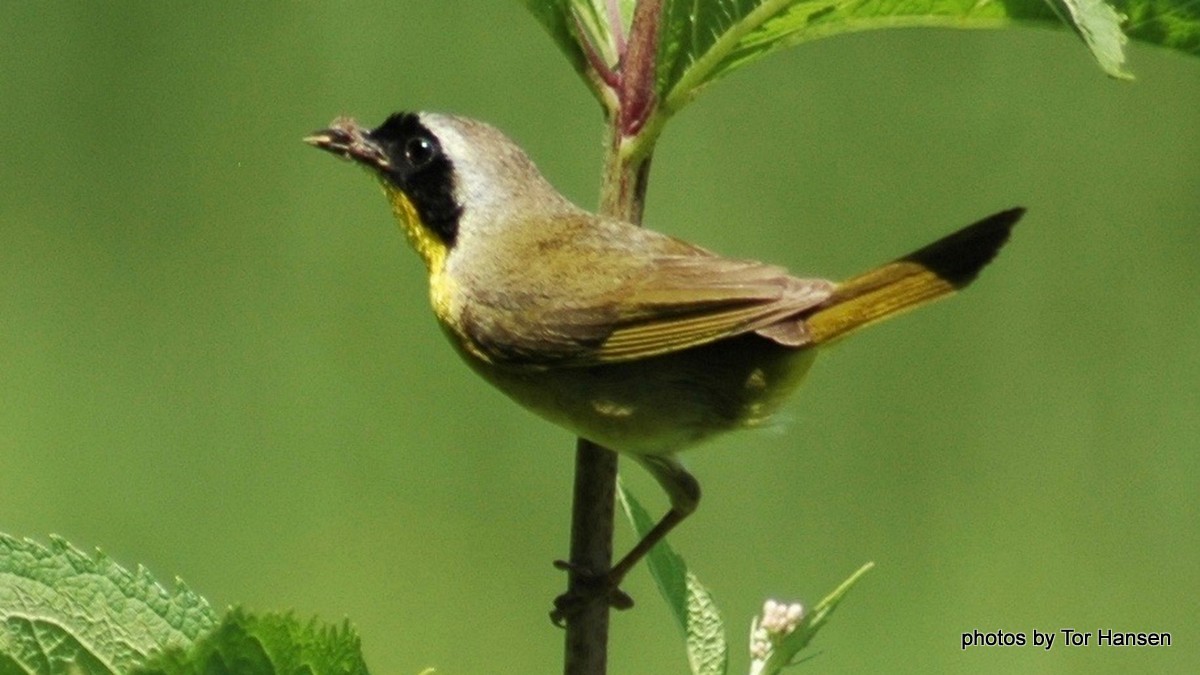
Once again I am reminded that an intrinsic nature's ethic may prevail in regulating her childrens' lives. However predatory animals exist here, and do feed on what could become otherwise uncontrolled numbers. Oddly no praying mantids were found. Namely just four obvious species are: Ambush bug, shield or stink bug, indigo bunting
and yellow-throated warbler that hunt larvae in the wildflower thickets and sylvan trees.
Tor Hansen is a naturalist writer, photographer, and musician. His column Berkshire Wild looks at especially butterflies, birds and other small creatures at home in the Berkshires and Massachusetts. He does talks and presentations and can be contacted at torhansen46@gmail.com,
Tags: butterflies,