Williams College Sees 'Uptick' in COVID-19 Among Students
WILLIAMSTOWN, Mass. -- Williams College is addressing a "significant and concerning" uptick in COVID-19 positive tests, two of which are linked to a weekend party at one of the school's residence halls.
In a Tuesday evening letter to the community signed by President Maud Mandel and Dean of the College Marlene Sandstrom, the school reported six positive COVID-19 tests among students in the last seven days.
While that computes to a relatively low .14 percent positivity rate for the 4,144 tests conducted in the same period, the six positive tests among students represents 21 percent of all the positive tests in the student population (28 total positives) since testing began on Aug. 17.
All six of the students who have tested positive are currently in isolation, and 59 more students are in quarantine as a result of contact tracing, the email notes.
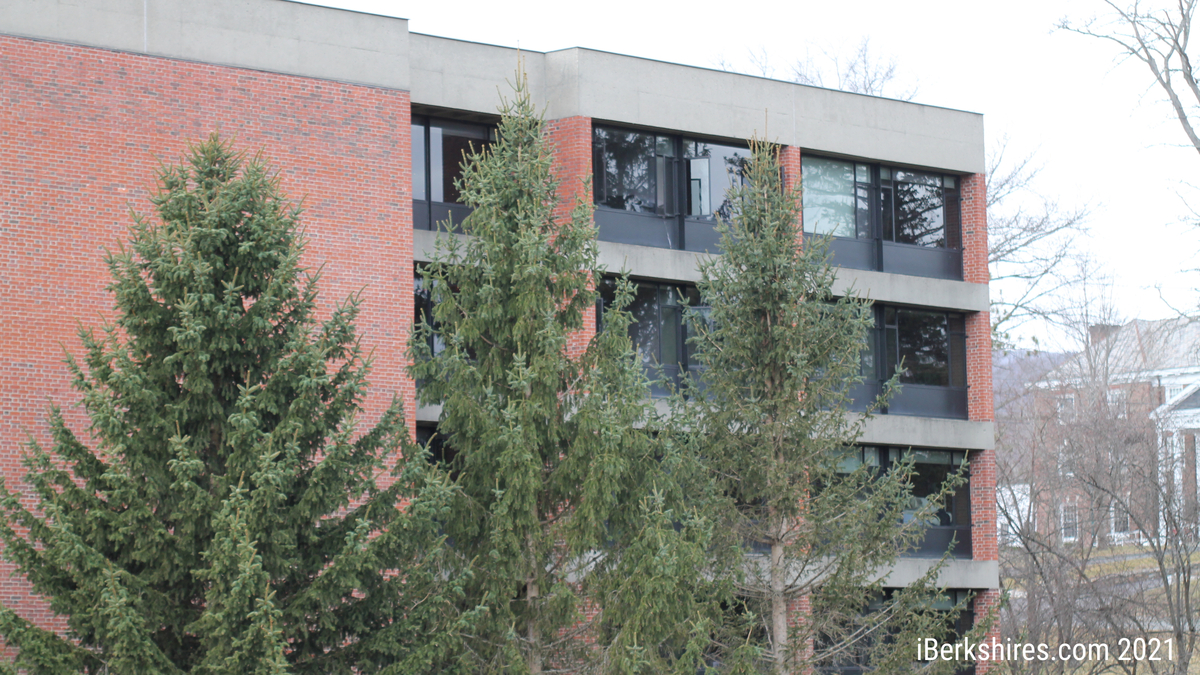
The spike in positive tests comes as the college is reporting an incident in Gladden House, at the north end of the "Greylock Quad" on North Street, where last weekend 20 to 25 people attended a "gathering" last weekend, the letter notes.
"Two students whom we know to have attended the gathering have since tested positive for Covid," Mandel wrote. "For that reason, in this case we've moved promptly into testing and containment mode."
A dozen students who attended the party and later learned that one of the participants tested positive contacted the college's health center, the email said.
"The prompt disclosure to our healthcare staff, in light of the positive case, falls under our medical amnesty program," Mandel wrote. "All twelve students were tested and a few were identified as close contacts by contact tracing standards, which involve being within six feet of an infected person for a cumulative total of 15 minutes, whether masked or unmasked."
Williams' amnesty program prioritizes student safety and public health over punishment by allowing students to report risky behavior without fear of retribution.
"[A]ny student who seeks medical attention or crisis support for themselves or for another due to a medical or personal emergency (e.g., alcohol or drug overuse, health crisis, sexual assault, interpersonal violence, or other emergency situation where amnesty applies) in the context of a situation that violates our public health guidelines will not be referred to the student conduct process," the amnesty policy reads, in part.
The administrators' Tuesday letter notes that the fallout from the Gladden House party is different from the enforcement action the college took after a party this winter at Wood House.
"In short, our amnesty policy [in the recent incident] did exactly what it’s designed to do: encourage people to come forward in the immediate aftermath of discovering a relevant Covid case, so we can quickly identify and try to contain the virus," Mandel wrote.
"There is no excuse for rule-breaking or risky behavior in any case. But our plan has to prioritize health and safety first. After a gathering with two known positives in attendance, we have a duty to utilize every tool at our disposal, including medical amnesty, to contain the spread."
Mandel and Sandstrom wrote that if the college continues to see signs of community spread of the novel coronavirus, it will consider steps that include moving all classes to remote status and limiting or pausing in-person co-curricular activities, like athletics.
"No one wants that — including us," Mandel wrote. "So many of those on campus have worked so hard for so long to protect ourselves and each other. We know that the most effective protection is always vigilance in masking, social distancing and handwashing, backed by participation in the college testing program. Please stay away from parties and large gatherings."