Bloom Brothers Pays $375K in Taxes to Pittsfield, Makes Charitable Donations
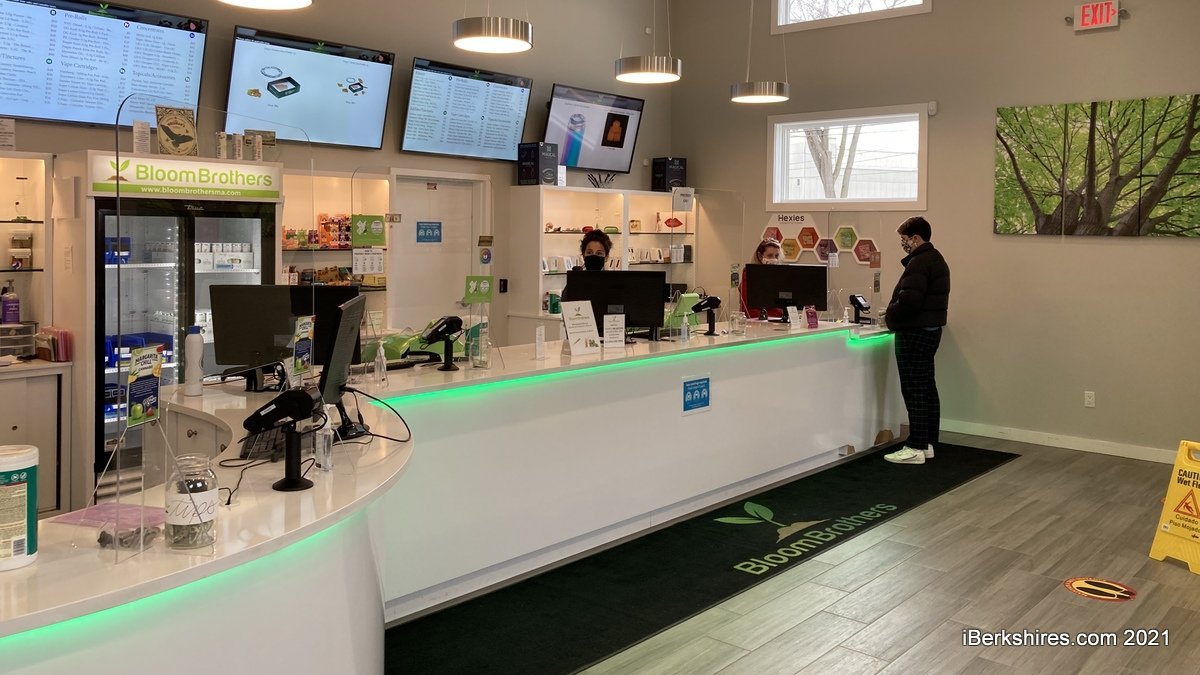
PITTSFIELD, Mass. — A Pittsfield dispensary is demonstrating what the cannabis industry can do for individuals, the community, and the local economy.
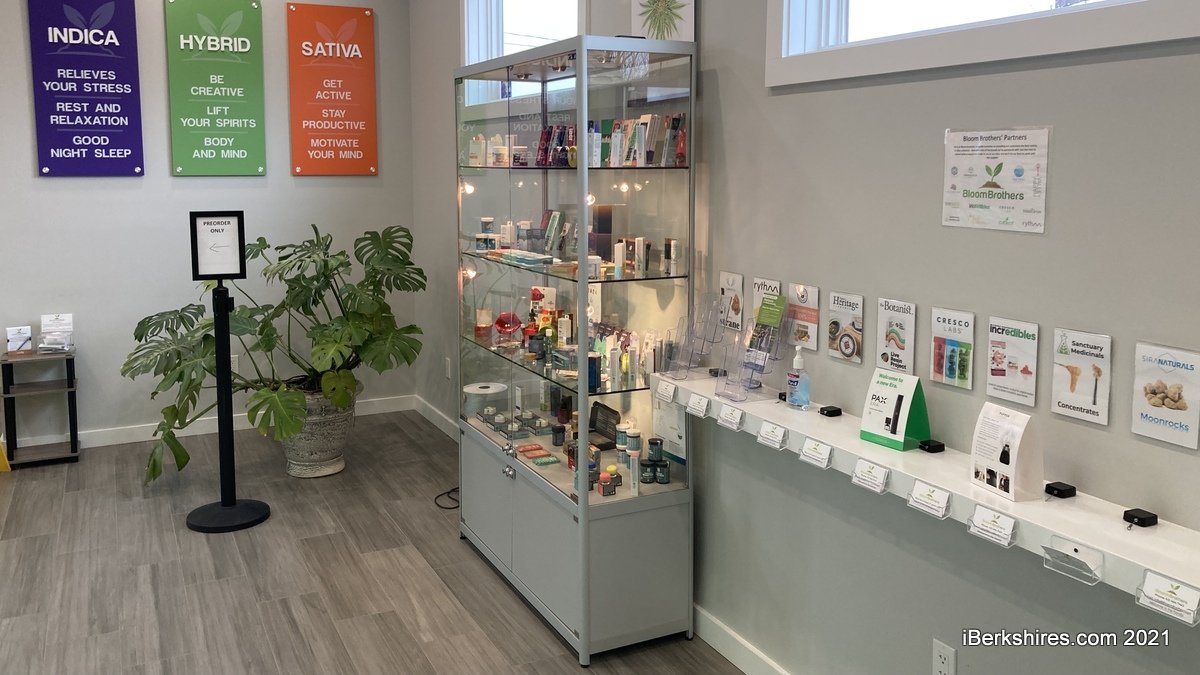
Bloom Brothers, owned by Nathan Girard and his wife, Migdeliz, and his brothers Benjamin and Nicholas Girard, offers around 400 different cannabis products to meet the needs of every type of customer.
"We're starting to see the stigma change a bit now, we've been fielding some calls from potential customers who have actually been referred to us by doctors who believe in marijuana and how it can actually help certain people," Mig Girard said. "That's been great to see."
The Merrill Road dispensary opened in March 2020. In its first year of business, the dispensary paid more than $375,000 to the city of Pittsfield and about $788,000 to the state of Massachusetts in tax allocations.
Additionally, the Girards are working with Child Care of the Berkshires to sponsor a $15,000 playground and have donated to a number of local nonprofit agencies including the Berkshire Humane Society.
Nate and Mig spoke with iBerkshires on Monday to outline how the company has found success and the ability to be charitable in a markedly difficult year.
"One thing about our business is, we care, we're here every day, you are as likely to be checked out by an owner of a company, as you are by somebody who is one of our team members," he said.
The dispensary's customers range from 21-year-olds to 80-year-olds, he said, and people often drive for several hours to buy their products.
The Bloom Brothers recommends first talking to your doctor about cannabis for medical use, as it is a recreational dispensary. It is, however, able to offer personalized customer service and make recommendations.
"We are constantly readjusting our discussions with every customer, we keep journals and notes that people share with us, we're taking a note on their customer profile," Nate explained, adding that a majority of their employees are previous or current cannabis users who have personal experiences to help others with.
Individuals battling cancer, chronic pain, anxiety, and depression, have commonly used cannabis to manage symptoms. Mig said it is extremely gratifying to hear customer testimonies about their products relieving pain or symptoms.
A portion of Bloom Brothers' customers are reportedly utilizing cannabis products as an alternative to alcohol in social situations. The dispensary recently began stocking an infused seltzer that comes in three different types: a Sativa that is energetic and focused, an Indica type for bedtime, and a "celebrate" seltzer that is a mixture of both.
"So, maybe you don't want to be drinking alcohol while you're at a barbecue or something in the summer, but you can seem like you're part of the group having a cannabis-infused seltzer," Nate said. "they also just so happen to taste great."
Mig added that some customers have used cannabis to cut other substances from their lives.
"Part of the conversations we've had with our customers have focused largely on how cannabis has helped them as a solution to come off prescription pills," she said. "Whether it's for insomnia or pain, or to come off of alcohol, or drug abuse, it just has been a solution for so many different issues that our customers have found."
As a part of their business model, the Girards prioritize employee benefits and creating a general sense of family in the workplace. They offer employees health insurance, a 401K matching program, bonuses, and have connected staff with financial literacy training through a human resources platform.
Avoiding employees living "paycheck to paycheck" is a priority for the Girards as business owners. Bloom Brothers operates with a small staff of fewer than 20 employees and tries to treat both staff and customers as family.
"We started figuring out, as the owners, we work here day in and day out, and we need to have an excellent benefits package because we rely on these benefits for our families," Nate said. "We extend those benefit packages to our employees, we wanted to create a platform where we would be proud to work here and we want our employees to feel the same way."
For now, the owners are trying to distinguish themselves for the best selection and education in cannabis retail. They are also proud to be supporting the local economy, as customers who commute to the dispensary from out of town often stop at Pittsfield eateries or other businesses in the meantime.
"Marijuana, in general, has just this negative rap," Nate said. "But we want to kind of make the discussion a little bit different if we can, there are some positive things that are coming out of us being open."
Tags: cannabis,