Springside Park Pump Track Continues to Spark Debate
PITTSFIELD, Mass. -- Supporters and opponents of the proposed Springside Park pump track continue to drive conversation about the attraction that is still in the design phase.
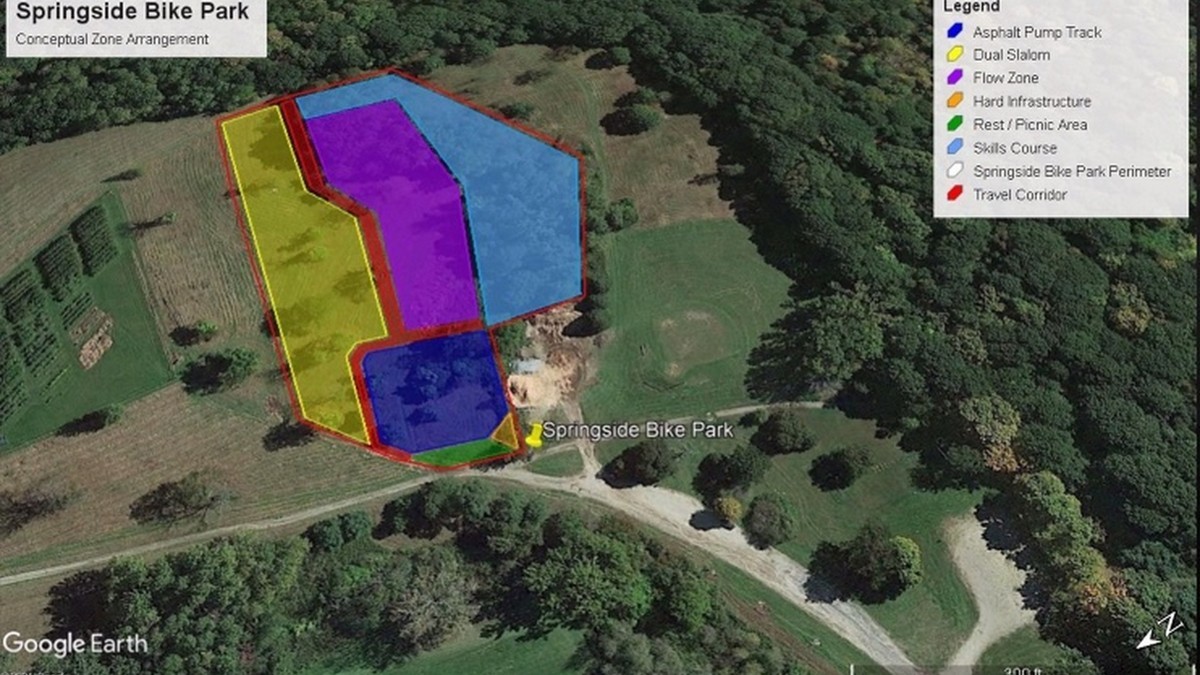
The Parks Commission approved an initial concept for the project that will create a pump track and bike skills area within Springside Park in November and continues to support the project's fruition. At Tuesday's Parks Commission meeting Chairman Anthony DeMartino reported that he received "quite a few" communications of concern since.
Those against the bike skills park believe it will damage the natural integrity of the park and "privatize" a segment of it while supporters believe the project will enrich both the social and natural environment of the park.
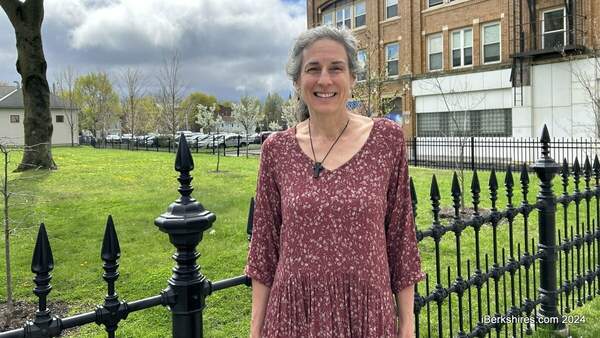
"Of concern is that although the Berkshire Mountain Bike Group, initially approved for holding their training series in Springside Park on certain trails, their use of the park, has not only expanded to use all the trails in the Springside Park but also that they are defining it physically for their particular use at the expense of the public," Elizabeth Kulas wrote to the Parks Commission. "Their benefit they told the park organizations was that they were going to take care of the trail system but since their first proposal in 2014, I have seen no evidence of trail maintenance or care."
Kulas is a member of the Friends of Springside Park and the Vincent J. Hebert Arboretum.
"If Springside Park were a ho-hum piece of land I wouldn't be advocating for its preservation.On the contrary, it is an ecological paradise I have not seen the likes of anywhere before. Do you know what we have here?" she continued. "Sports are already highly represented in our parks. If we don't preserve this natural oasis in the middle of the city we lose a unique educational gift and opportunity to preserve an unprecedented ecological laboratory that area colleges have already expressed an interest in using for adjunct classrooms, a potential income stream."
The Springside Park Wildlife Sanctuary contains at least five different wildlife habitats including natural woods, wetlands, relic forest, and an edaphic soil/plant community. Kulas emphasized the importance of preserving the diverse habitats that the park offers.
President of the Vincent J. Hebert Arboretum Committee Mark Miller feels that the mountain bikers are "privatizing" the land that will contain the pump track.
"I don't want to demonize these mountain bikers, because they're good at what they do, they're gung ho, they're enthusiastic, and that's fine, but they shouldn't be able to write their own tickets," he said in the meeting. "They want to privatize a chunk of Springside Park, for their use, and for the growth of their form of recreation. And I think it's your charge to make sure that they just don't get away with stealing. what's there."
Alison McGee -- who has been the spokesperson for the project -- brought Minnesota trail designer and assessor Joshua Rebennack and the owner of Powder Horn LLC and Springside pump track designer Will Conroy to the panel to elaborate on the project.
Rebennack spoke on the environmental impacts of the bike skills park. Based on his study of the plan, he said the area of Springside that is poised to house the pump track has been in active use for at last 61 years.
"I think a lot of the consternation about the skills park is really about the management, not a skills park, but at the park itself," he said. "And I can see how people can read things in their paper about things that are happening in Springside, and other places, like homeless camps, etc., and feel like 'oh, no, not another thing,' And I really believe that's what's happening here."
In this situation and others he has observed, Rebennack referred to opponents thinking of "mountain biking as the boogeyman."
The impacts of the park to its surroundings, he reported, were general construction and the removal of grass, soil grading done with small mechanical equipment, and the addition of impervious coverage in the form of the paved pump track.
With the addition of a park, inevitable signs of human usage such as occasional litter and upkeep practices like leaf removal will also impact the area.
Rebennack said the pump track will be a "hub of activity" and attract riders on all kinds of wheels.
"To be blunt with you, people are gonna be scraping elbows and knees and fallen down and bruised and cutting themselves all the time," he added. "That's pretty normal with a sports facility but as far as large injuries that are life-threatening, they're very, very rare and they very rarely happen. The other thing to remember is that in most of the country, these skills areas become the most popular small scale biking infrastructure in a town."
Conroy reiterated the park's original plans to create a facility that is non-obtrusive and fits in with the natural environment of Springside Park. He was the facility to be a "shining jewel" for the community and not something that is seen negatively.
He explained that in the design process that is currently underway, he and his team make a survey of the worksite based on geological data as well as ground surveying. The zones of the park will be arranged to maximize ease of use, accessibility, and minimize interactions in multi-user areas.
Additionally, the park is designed to be a low impact on its surroundings.
"The way that we build is something that's very sustainably-minded," Conroy said. "We don't want to have to come back and repair something that gets totally eroded in a short span of time, and the city or the board or the organizations rather, are not going to want to pay for that."
Powder Horn will also make a plan to revegetate and stabilize the area, mitigate any stormwater erosion that is potentially going to occur, and recreate the green space that was there to blend the park in.
"Our main goal is to make a fun and safe place for people of all ages to go," he said. "Obviously, we're mainly talking about mountain biking here, but as was mentioned previously, with our asphalt contract, there will be other users, so we want to make something that's fun, that isn't dangerous in any way, meets all standard guidelines, as well as something that's very aesthetic and blends into the natural environment."
Over the last year, Conroy said bike sales and participation are "through the roof" as a result of the COVID-19 pandemic and believes the project will be well utilized.
After the presentations, the commission agreed to schedule a walk-through meeting in Springside Park during the month of June. This aims to clear up some questions that the panel has around the size and placing of the park as well as the conditions surrounding it.