Adams Mulls Reinstating Winter Parking Ban
ADAMS, Mass. — The Board of Selectmen is considering reinstating the winter parking ban after allowing on-street parking for a one-year trial period last winter.
Until last year's trial period, Adams had a longstanding ban of on-street parking every year between Nov. 15 and the start of April. Jay Green, town administrator, said last year's trial period was the direct result of feedback from the Adams business community.
"Some of the feedback that we got was could we move to a per-storm declaration of emergency model," Green said. "Whereas we would get a forecast for a particular amount of snow and, with consultation with the police department and DPW, would issue a snow emergency. We would issue that, and that trigger would tell everybody, 'OK, now you gotta scatter off the streets.'"
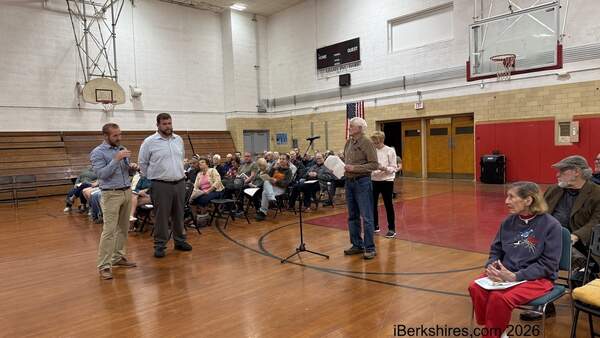
The board discussed this and other business at a workshop meeting on Wednesday. They plan to vote on whether or not to reinstate the ban at the next Board of Selectman meeting.
"It was very clear last year that this was going to be a one-year test," Green said. "And that at this point, in a subsequent year now, we would review it for DPW and police to see how it worked and decide whether that was a model that fit the town of Adams."
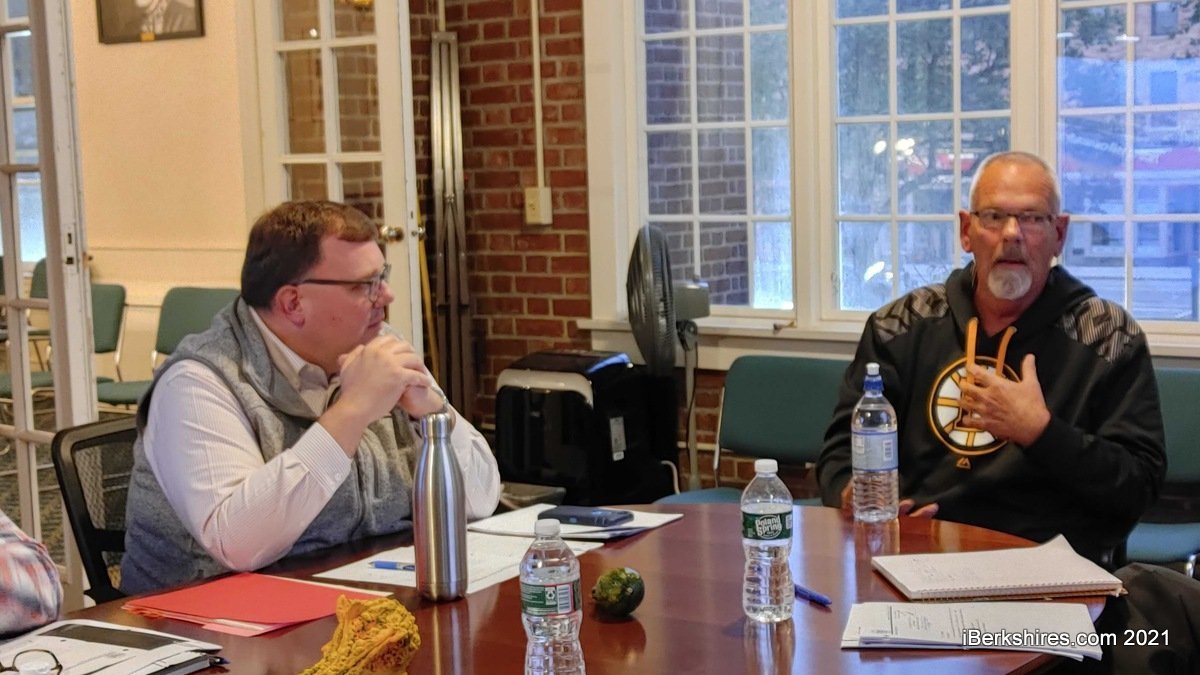
Tim Cota, operations supervisor for the Department of Public Works, and Adams Police Chief K. Scott Kelley were invited to the meeting to give thoughts on how the trial went last winter.
"Most of our streets are already narrow, to begin with, even without the snow," Cota said.
Cota explained that the combination of snow, parked cars, and other factors made on-street parking an issue last winter. He said emergency vehicles especially had problems with it, noting that they already have trouble on some streets in town even without snow.
"Patrol cars are one thing, but when you have these fire trucks that have to get through these tight streets anyway, that I agree with," Kelley said.
Selectman Joseph Nowak shared his experience with the parking trial. He said he had taken issue with the proposal last year.
"It's just dangerous," he said. "And I just thought it was too quick of a change or something this town has done ever since I've lived here."
Also discussed at the meeting was the water remediation work planned for Town Hall's elevator shaft. Pending board approval at the next meeting, the elevator shaft will receive repairs to fix water damage, costing approximately $30,000 in total, which would come from the town's reserve fund.
"We're taking in water every time it rains," said Gerald Garner, building commissioner.
Garner was invited to the meeting to discuss what needs to happen with the elevator. He said the project, if it is approved, would take four to five days to complete.
In addition to workers from the company Hydracrete, who will repair the elevator shaft, the town will pay an inspector from Otis Elevator to oversee the project at all times.
"This is a legal requirement. We can't get out of it," Garner said.
Garner said the elevator issue is just one of many building-related issues in Adams that will need to be taken care of in the future.
"We've got to start maintaining our buildings or lose every single one of them," he said. "And we're well on our way."
In other business, the board heard two proposed new equipment purchases for the DPW. If approved, DPW would receive a new backhoe and a road paver.
The new backhoe, made by Volvo, would be paid for with funding from the state's Chapter 90 program. The town would pay in installments of $33,000 a year for five years.
"We don't want to pay for it outright in one shot," Green said. "Because with that, it would take a substantial hit to our Chapter 90 account."
Cota said the new backhoe would be safer and easier to use than the current one.
"It's kind of a no-brainer, just from a safety standpoint," he said.
DPW does not currently have a model in mind for the road paver purchase, which would also utilize Chapter 90 funds. Green said they are only just beginning to research options, and he provided the board with a packet of potential choices.
"I think from a cost perspective it is going to save us in the long run, because again, we have the money available," Cote said.
Art Baker, regional manager at Indus Road Technologies, was invited to give a presentation on pavement preservation. He said creating a data-based plan for routine road maintenance could save the town money and extend the lifetime of each road.
"If you wait until the road gets bad, you're looking at five, six times the cost of maintaining a road in good condition," he said.
Town Accountant Crystal Wojcik and Community Development Director Eammon Coughlin were also present at the meeting.
Tags: elevator, parking ban,