Williamstown Parents Concerned by 'Picnic Style' Dining at School
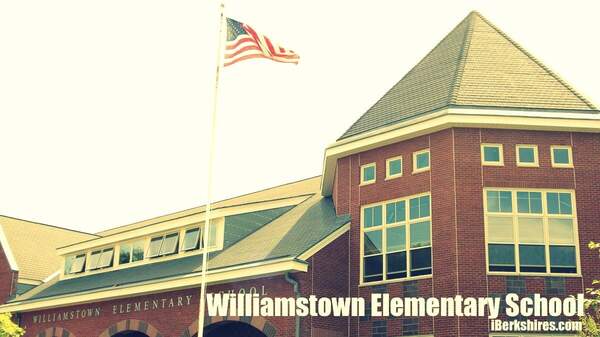
WILLIAMSTOWN, Mass. — The Mount Greylock Regional School District superintendent Tuesday said that he is confident the staff at Williamstown Elementary School have created a safe, sanitary environment for children to eat lunch while making necessary accommodations to allow for social distancing
Last week, parents concerned about a practice having children eat lunch on the floor of the cafeteria sent a letter to Superintendent Jason McCandless, the School Committee and the town's health inspector calling for a change to the current procedure.
"We were told this was a temporary thing in the spring to get our kids back in school and with warmer weather the kids would and could sit outside," the two-page letter reads in part. "Six months later and now winter is upon us and mud, snow and wet floors will be here, if not already after this week. Aside from that, these kids walk in the bathrooms and then walk all over the floors and then sit there. That is unsanitary!"
The letter was drafted by Lyndsay and Ryan Neathawk and co-signed by 25 other parents.
The Neathawks told the School Committee, which meets on Thursday evening, that they have been talking to McCandless for four weeks about the issue.
"The reasoning I received is that the school administration needs to keep the kids at 6 ft distance when eating, and there isn't enough room with tables," the Neathawks wrote. "With the administration concerned on distancing and keeping the kids safe from covid (sanitizing the kids' hands etc), it is hard to follow the logic here, as the floors are not being sanitized between students."
McCandless said he has heard the parents' complaint and he appreciates all feedback, whether or not the administration agrees with the criticisms lodged.
But he disputed the idea that the conditions are unsanitary.
"[Jim] O'Brien, the head custodian and the cafeteria folks — their first concern at all times is, overall, the wellness and well-being of kids," McCandless said. "Yes, kids have been having lunch on the floor, picnic style, for months and months going back to last year as part of our desire to do anything we can to keep the school open.
"My direct observation from the many times I've been there is that Mr. O'Brien and his crew do a terrific job. There is time for a quick clean and sanitization [between lunch periods]. Like many things we're dealing with in the pandemic, there's not a single person among us who sees this as ideal or perfect. But we have full faith our staff is doing everything they can to make sure it's reset and ready for the next group coming in."
McCandless said that in the classroom, the school's pupils maintain 3 feet of social distancing and wear face coverings. Based on the district's consultation with local health officials, 6 feet of distancing is required during lunch periods, when masks are not worn.
McCandless said if the school used its existing cafeteria tables as it would need to use them to facilitate 6-feet of distancing, it would need 12 lunch periods per day.
"That would obviously impact learning," McCandless said.
A couple of the alternatives that critics have suggested: using the gymnasium and eating in the classrooms, would not work either, he said.
The physical education program is an important part of the curriculum at the K-6 school, and the classrooms are not a practical alternative to the cafeteria at WES.
"We can't have 6 feet of distance in our classrooms," McCandless said. "Our classrooms are not structured that way or sized that way. And some are a really long walk from the cafeteria. In the case of the fifth- and sixth-grade wing, it's a long walk and a flight of stairs."
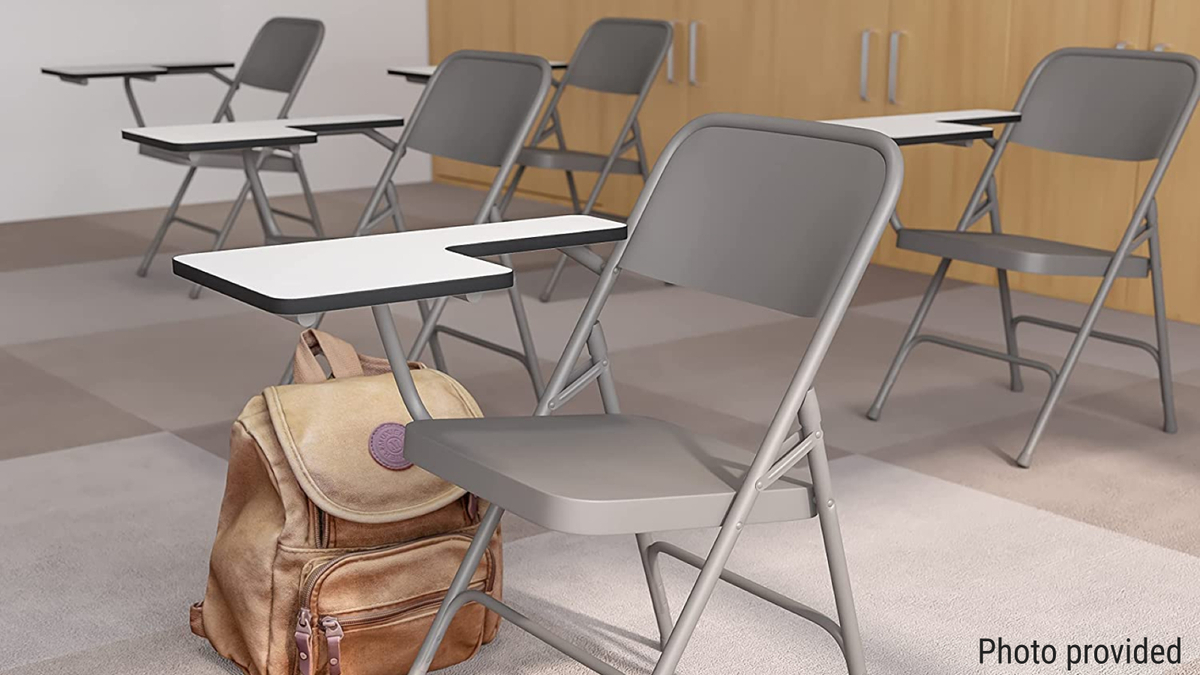
McCandless said school officials recognize that the coming winter months, when slush and gravel are tracked into the school on boots, makes the "picnic style" lunches less workable long term, so "later this week or early next week" the school will begin a trial run with newly acquired folding chairs with right-handed tablet arms that will enable children to eat in a chair and still maintain the necessary 6 feet of social distance.
"There is some cost, obviously, around $8,000 — likely offset by the savings on the necessary move away from disposable lunch trays," McCandless said. "We will test these to see how they function and then make the full purchase if this goes to plan."
In addition to the sanitary concerns raised in the Neathawks' letter, the parents cite a potential fire hazard created by the school's currently unused cafeteria tables.
"Currently the tables and chairs are sitting in the hallway unused, and it is against fire code to be stored there for any length of time," the Neathawks wrote.
McCandless said he did not know whether the town's fire chief has reviewed the current storage plan, but school officials believe it does not impede egress from the building. He noted that Williamstown Elementary is up to date on all its inspections and fire drills.
The parents also say the current lunch arrangement creates the potential for children to be singled out and or bullied by their peers.
"Only those with ADA issues are permitted to sit at a table in the cafeteria," the letter notes. "There are several kids that could qualify under the ADA exemption to be able to sit at tables, but they refuse to do so for two reasons. First they feel it is unfair they get to sit at a table and all their friends don't; and second other children will make snide remarks ridiculing the kids who get to sit at the tables. This does not play well with the kids' social and emotional well being here."
McCandless said the district does not want to see any child singled out in any potentially negative way, but he likened the practice to the peanut-free tables WES has had for years.
"There are students who, at various points and for a variety of reasons have used the tables that are available," he said. "I don't want a child to feel they're different, but many children and many families have taken advantage of that and have been able to take a friend or two with them."
McCandless emphasized that the school is doing what it can with the space and infrastructure available but that, as with many solutions in the time of COVID-19, the current arrangement is not ideal.
"If one believes in COVID and one believes mitigation factors are important for keeping kids and, thus, their families safe, those [old] cafeteria tables are unusable right now," he said.
"We have been hashing this and rehashing this since last year," he said. "I'm really grateful to [Principal Cindy Sheehy] and her team and [Food Service Director Tammy] Jennings, [Health Inspector] Jeff Kennedy and Mr. O'Brien, our lead custodian, for helping us figure this out."
Tags: WES,