Pittsfield Gets $100K Grant for Public Wi-Fi Infrastructure
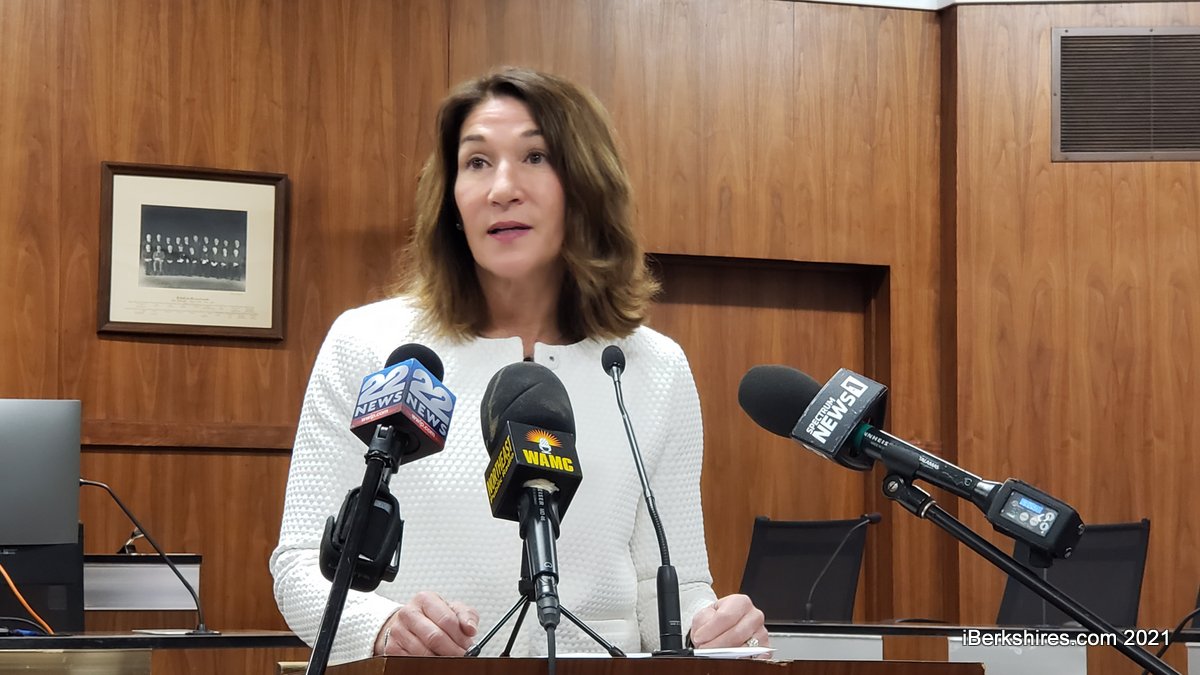
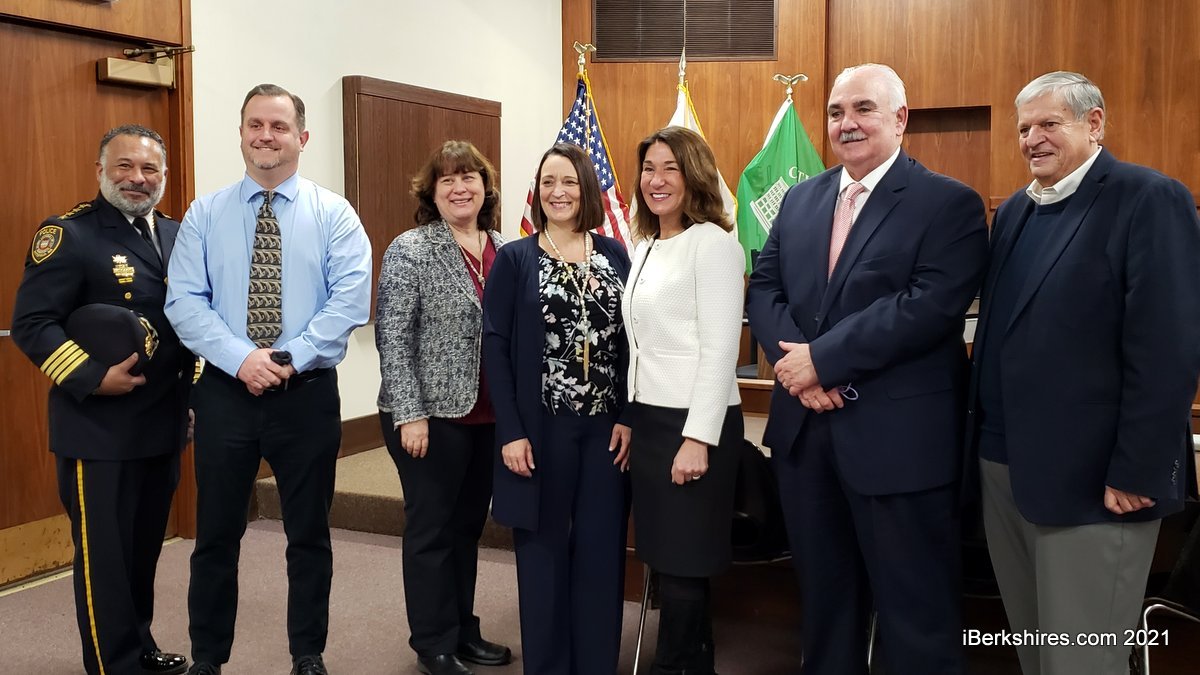
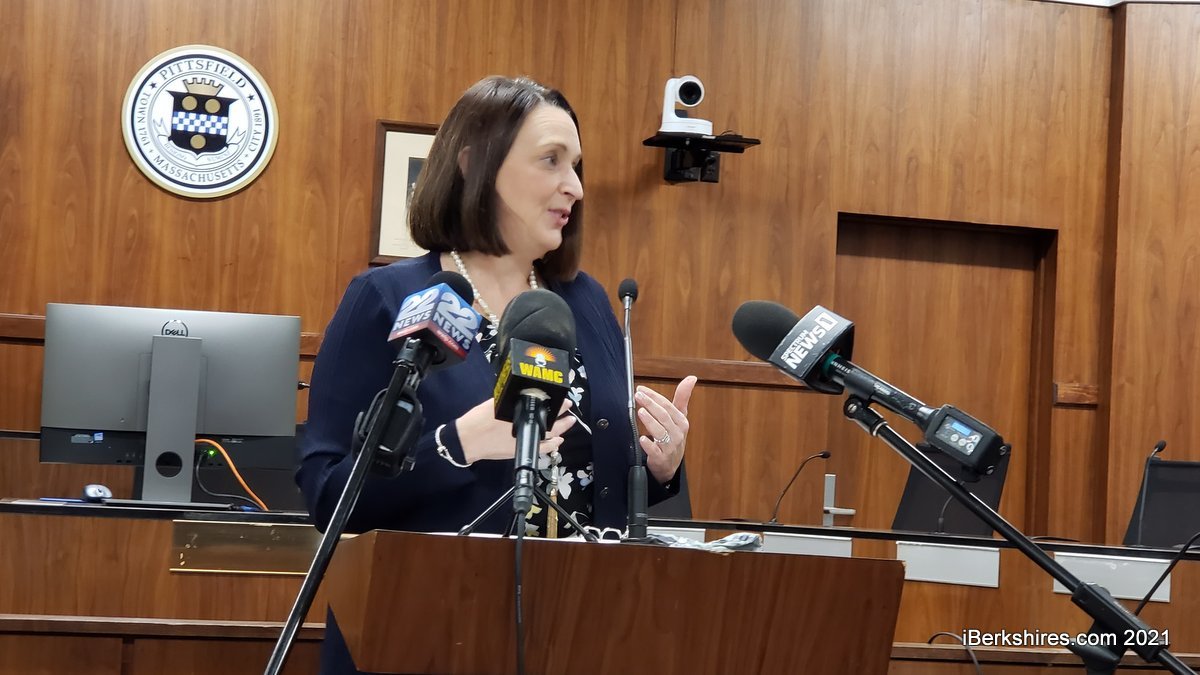
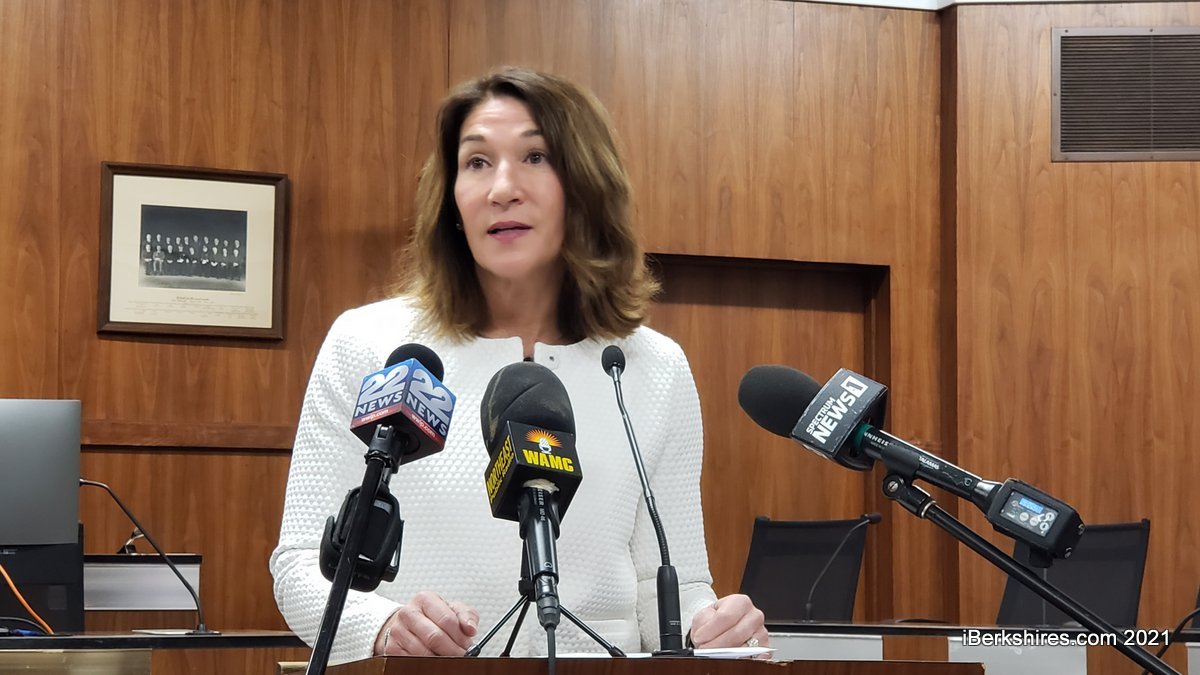
Lt. Gov. Karyn Polito was in Pittsfield on Tuesday to announce $3.5 million Community Compact IT grants, including $99,750 to Pittsfield.
The $99,750 awarded through the state's Community Compact program is the third information technology grant Pittsfield's received in the past five years toward its public wireless infrastructure. The city received $95,000 in 2019 for of Wi-Fi infrastructure for internal and public use and $40,000 in 2017 for switching infrastructure to enable telephone system consolidation.
This latest grant will be used to construct a municipal Wi-Fi hotspot system in the downtown area that could be ready by summer, depending on access to materials.
Lt. Gov. Karyn Polito made the announcement in City Council Chambers on Tuesday afternoon of $3.5 million in local technology grants to 70 communities, including $40,561 to Cheshire and $50,000 to Savoy to create town networks, $11,000 to New Ashford to improve disaster recovery and cybersecurity capabilities and $8,300 to Great Barrington to implement a records management system.
"As I look around this room, I see a lot of familiar faces. You have become very comfortable and very skilled at accessing the state resources," the lieutenant governor said to representatives from a number of communities receiving grants. "It's great to have the funds, which is up to the Legislature to appropriate, but we as the administration need to make it easy for municipalities to access these dollars.
"Getting these dollars into your hands, helps you do your jobs and make service better for the people that we serve together."
Mayor Linda Tyer said the development of a public Wi-Fi system was both an economic engine and a public service.
"The installation of a public Wi-Fi addresses one of the needs and it really has two primary benefits," she said. "As the largest city in Berkshire County we are the home to nearly 45,000 residents. We are a business destination and employer hub, and we attract hundreds throughout the county and beyond who work here.
"However, we know that a substantial number of our residents are underresourced and do not have reliable access to the internet. And in a time when so much of our lives — from work to school — requires access to the internet, this is more than a want. It is essentially a utility that we need to create a thriving quality of life for every resident regardless of economic status. With this public Wi-Fi network, we will be able to strategically position these Wi-Fi hotspots to bolster digital equity in our community and further narrow the digital divide."
The core themes really resonated for good reason, the mayor added. "So many of you are here from smaller communities than the city of Pittsfield, but you have the same challenges. So to my fellow grant recipients, congratulations on your success today. Our future depends on us all finding innovative ways to bridge our technology gaps."
Addressing the technology gap has been in part the job of Technology and Security Secretary Curt Wood, who accompanied the lieutenant governor to the Berkshires.
Wood pointed out his position was created by Gov. Charlie Baker and Polito when they came into office and spoke to the administration's commitment to and investment in information technology infrastructure within the state.
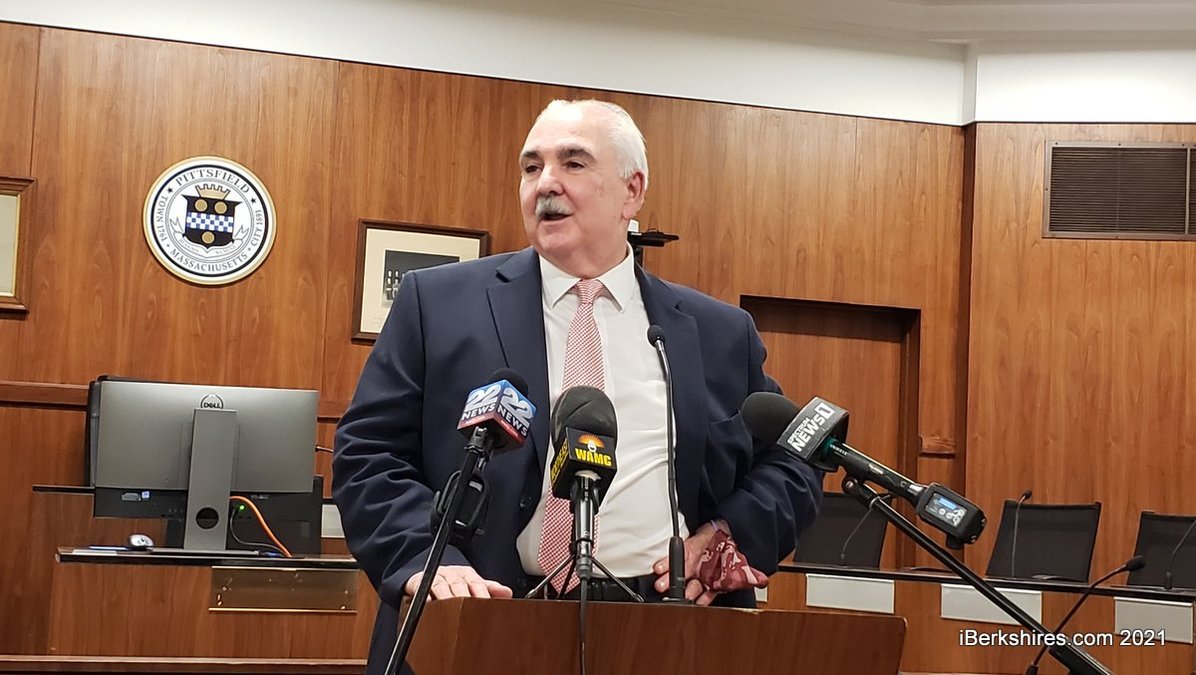
"It's one of the first things they did is they talked about a state and municipal and regional approach to it," he said. "And the importance of IT investment, not just from buying servers or buying software but also about the people, about the community, about the the importance of it as it relates to our functions in our business and most important assets and services."
Over the past few years, the state has aided some 53 towns across Massachusetts in developing IT infrastructure and bridging the "last mile" to broadband access. Polito said that number should be down to one by the end of next year. Some 749 grants totaling $19.2 million has been awarded to communities across the state.
"It didn't take a pandemic to demonstrate that need but clearly, we're very grateful that we approved best practices and IT infrastructure all across our state, indeed, before the pandemic so that we could best communicate with the residents of this commonwealth," she said.
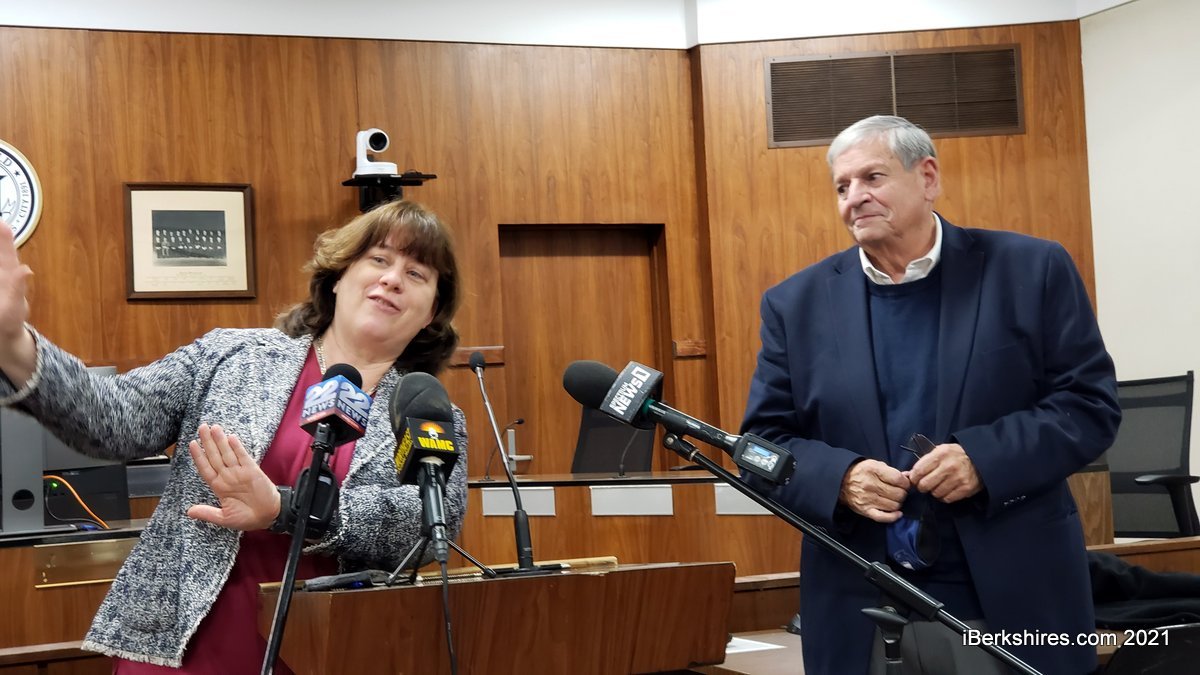
Pittsfield's state Rep. Tricia Farley-Bouvier said the need for internet connectivity did become a critical function when the pandemic hit nearly two years ago.
"We talked about broadband for years. I always felt my role as the representative from the big city was to support my colleagues from the small towns," she said. "It was when the pandemic hit, that I got struck on side of my head that many, many families in the big city of Pittsfield, just a couple of blocks from downtown, didn't have access to the internet. And they didn't have the tools. They didn't have access to school, and they didn't have access to applying for unemployment insurance."
She recalled how families once had a basic package for a landline that was affordable ... but now the expense to "pay for the computers that we put in our pockets" is creating a digital divide and a growing inequity for what is an essential service.
"I think these types of grants that they've offered, we've put to good use. We have seen the results," said state Rep. John Barrett III of North Adams. "The most important thing in Berkshire County right now is broadband service and making sure that we have it. That's really what's going to grow us. That's the importance of it, and as well as the transportation system out here."
Local officials thanked the Baker-Polito administration for working with them to address pressing issues in their communities.
"This administration has made sure that the Berkshires wasn't a foreign country," said Barrett. "And that we were listened to and heard us, but so it was the case in all parts of the state."
Tyer said getting to this point doesn't just happen, it requires working together and thinking creatively to meet the pressing needs of the community.
"The Community Compact program was a signature initiative of the lieutenant governor and it is remarkable and powerful, how much you have been able to help our communities," she said. "We are so grateful because you do really mean it when you say you are from one end of the state to the other. And we're so grateful to have your friendship and your partnership and your support."
Tags: community compact, information technology, polito, state grant,