Tyer Releases ARPA Invitations for Proposals
PITTSFIELD, Mass. — Mayor Linda Tyer on Monday announced the release of American Rescue Plan Act (ARPA) funding applications to aid recovery from the COVID-19 pandemic.
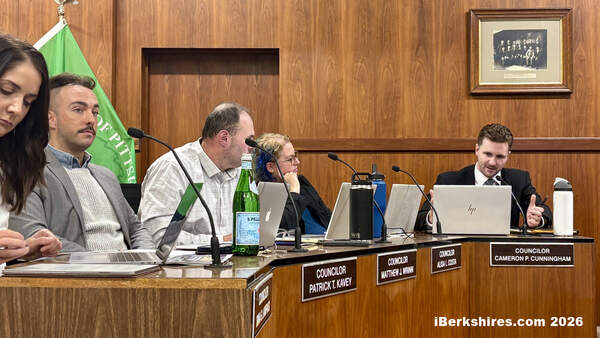
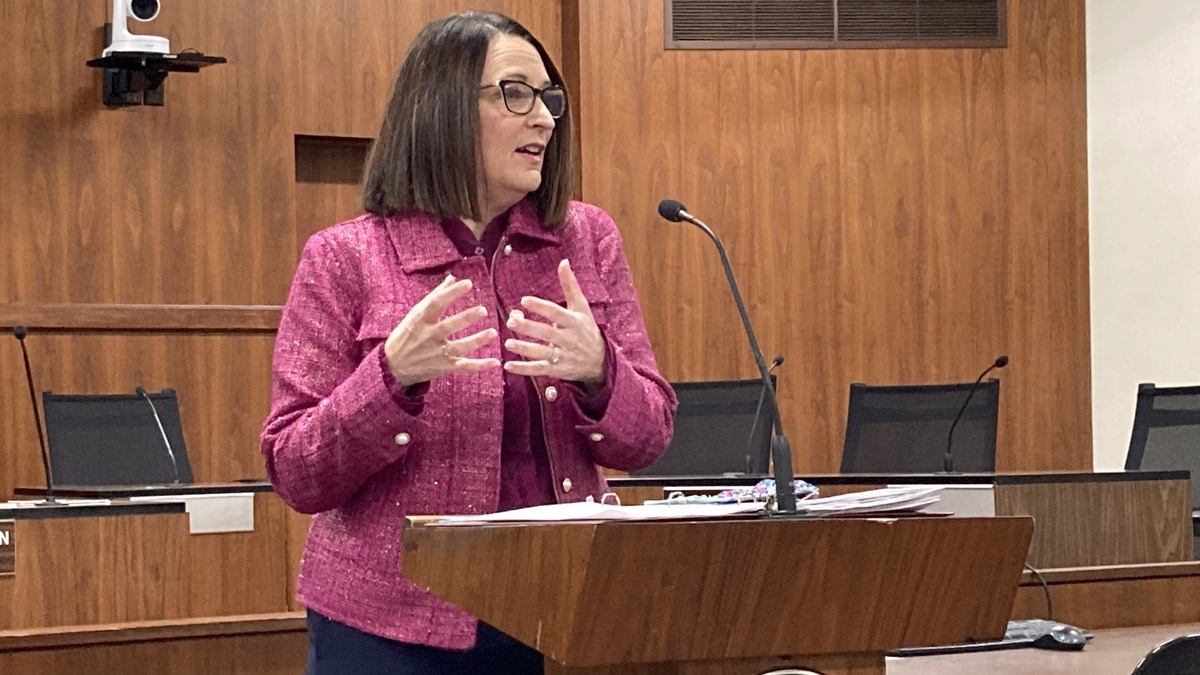
"This is a significant milestone in the life of the American Rescue Plan here in the city of Pittsfield," Tyer said from the City Council Chambers. "After months of study and community engagement, we are very excited to join up with our trusted community partners and emerging leaders to put these funds to work for the people and places in our city that need it the most."
The city will begin to accept applications for eligible programs, services, and capital investments on Feb. 28 through its website.
In October, Tyer debuted proposals for the city's first allocation of ARPA funds in the amount of $20 million. About $6 million of available funds have been identified for these community applications.
Pittsfield will receive a total of about $41 million from the American Rescue Act that must be spent by 2026.
This invitation for proposals is intended to address six key areas: childhood development and youth intervention, mental health and substance use disorders, disabled elderly and veterans, community-based initiatives, and cultural organizations.
Tyer said the city also wants to build the power and voice of lower-income residents and people of color.
"It was easy to identify those areas because it's what we need here in our city, but it's also what the American Rescue Plan envisions for how communities can best use this once in a lifetime resource," Tyer said.
These focuses were identified as priorities through the Mayor's ARPA Advisory Council and the city's public input efforts, which included a survey that generated 1,200 responses, four single topic community input forums, and stakeholder meetings.
In addition, Director of Community Development Deanna Ruffer and former Director of Public Health Gina Armstrong were selected as co-special project managers for the monies.
"The foundation of this guiding principle is that when invested in people and places through a shared community engagement, the American rescue plan provides a once-in-a-lifetime infusion of funds that can transform Pittsfield into a city of social and economic resiliency for everyone," Tyer explained.
"Especially for people who have been historically underserved, marginalized are adversely affected by racial inequity, and generational poverty, where people are able to live up to their greatest potential, achieve prosperity and experience health, well being, and joy."
After Feb. 28, applications will be accepted on a rolling basis and decisions will be made in 30-45 days from the submission. There are two kinds of applications: an invitation to apply and a concept application for those who have an idea that may not meet all traditional criteria.
"What we heard both from the community and from the advisory council is that there could be emerging leaders right here in our community who have an idea that could be transformative, that could be meaningful and powerful, but they aren't yet quite ready to meet all the criteria and requirements contained in the American Rescue Plan," Tyer explained.
"And we don't want to discourage people from applying, so the concept application is really 'I have an idea, do you think that this is viable?' and our goal is to find ways to make connections, build that network, help that person, maybe collaborate with a nonprofit organization to help really accelerate the concept."
She added that the concept application is not a pre-requisite to the invitation to apply but is another pathway.
Tyer urged applicants to seek help from the city for questions, clarification, or guidance.
"We view this as a shared experience and a shared responsibility, we welcome your questions your need for clarification, and we will offer guidance as needed," she said.
"And as we learn from the community, we will develop a list of frequently asked questions, we encourage applicants to be creative and to consider collaboration that will strengthen ideas and maximize opportunities."
The first deposit of $16.2 million in ARPA funds happened over the summer and the city expects its second deposit of the same amount to occur in May.
Also, the city will receive a county allocation of $8.4 million in two phases. The funds are being distributed to communities on a per-capita basis because Berkshire County no longer has a county administrative structure.
"We still have some city-led priorities that we want to make investments in and so we view the remainder of this $20 million as really giving us opportunities to invest in that work," Tyer said.
"And then as we see how this plays out with our community partners will make decisions for the second round, but we've identified that a significant component of the city led investments will be in housing, and we know that we're going to need community partners to accomplish some of our housing goals, and so we want to reserve enough funds to meet those housing goals."
She concluded that it is difficult to really focus on hard numbers because the city wants there to be flexibility within this plan. There will be percentage priorities shifts in the funding allocations and the city is open to ideas, Tyer said.
Tags: ARPA,