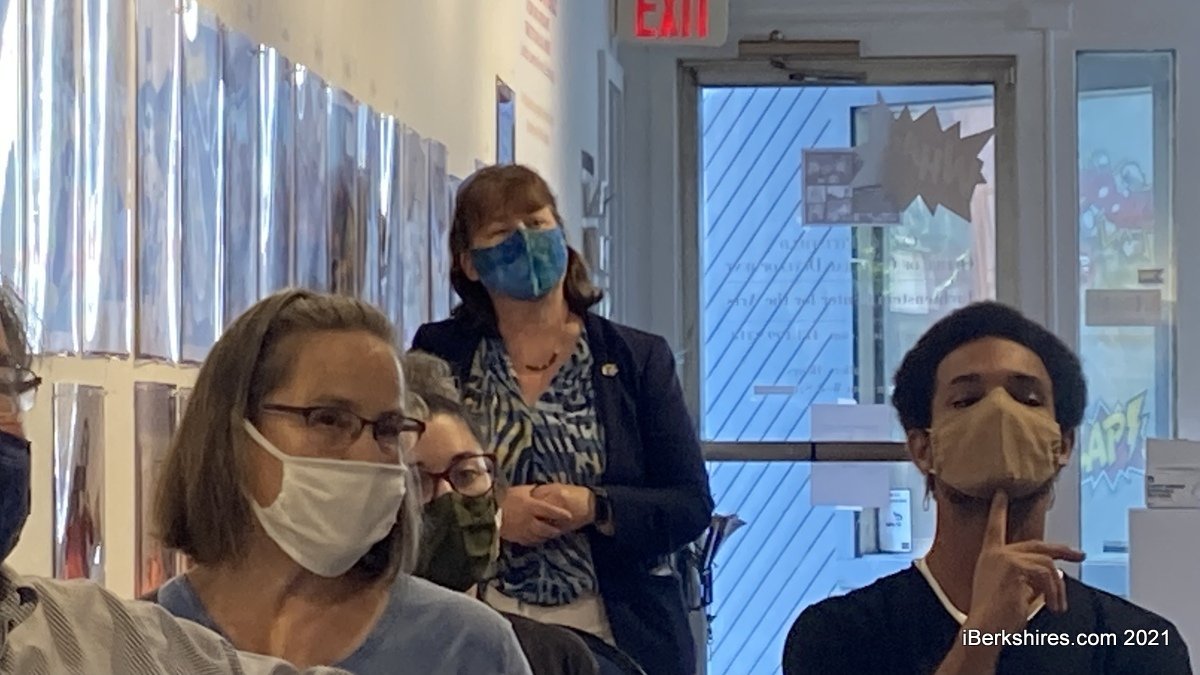
At Final ARPA Hearing, Cultural Organizations Ask for Monetary, Tech Assistance
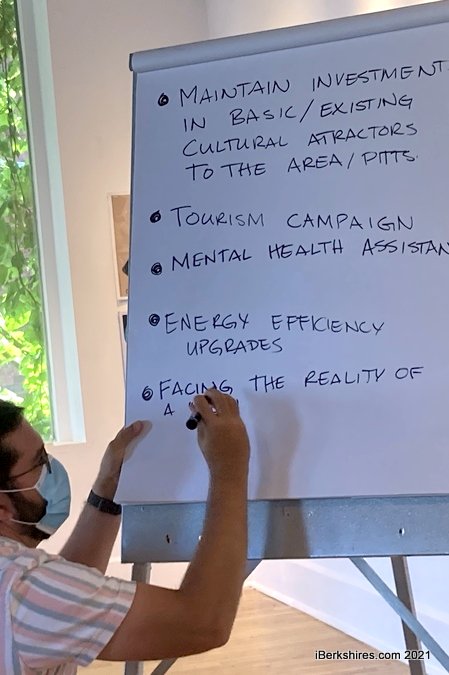
Priorities for spending ARPA funds are identified.
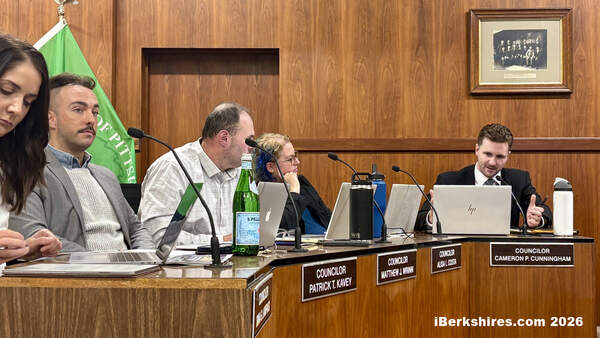
PITTSFIELD, Mass. — Workers and supporters of cultural organizations hope that the sector crippled by COVID-19 can find some refuge with the use of Pittsfield's nearly $33 million allocation of American Rescue Plan Act funds.
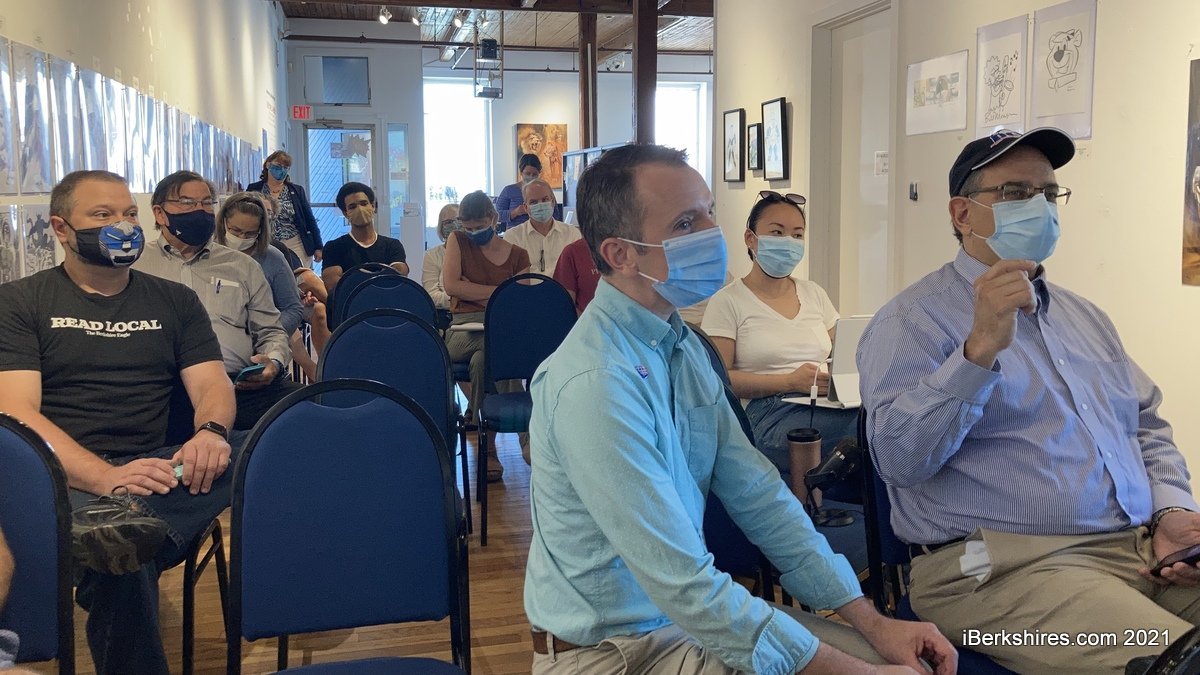
At the last of the four American Rescue Plan Act hearings — this time at the Lichtenstein Center for the Arts — cultural industry attendees voted the provision of monetary and technical assistance as the most urgent use of the funds.
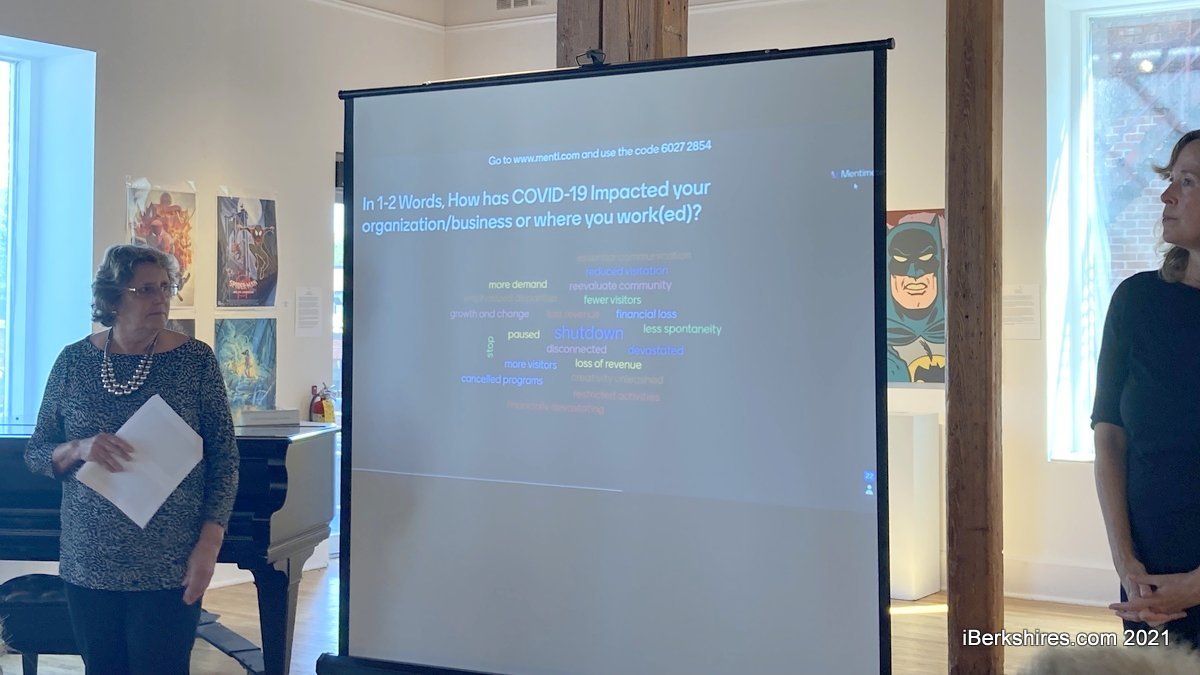
When asked over a phone survey how the pandemic impacted their organization or workplace, a majority of people said they were "shutdown."
"Financially devastating" and "emphasized disparities" were other phrases used to describe the pandemic's effects over the last 18 months.
Some feel there is a bright side to the situation, submitting phrases such as "creativity unleashed," "re-evaluate community," and "growth and change."
State Rep. Tricia Farley-Bouvier offered the word "opportunity."
"If you had asked me last year at this time how COVID-19 is impacted cultural institutions, it would be a very different response than this year, because when I think of COVID-19, I think of all of it, and we wouldn't have ARPA funds without COVID-19," she said.
"And so I put 'opportunity,' I think right now, particularly cultural institutions have an unbelievable opportunity and that's why [Director of Community Development Deanna Ruffer], [Mayor Linda Tyer], and the whole put this on specifically because we have a chance to really change what we do here, and improve what we do here, and be more sustainable with what we do here in Berkshire County."
The $1.9 trillion American Rescue Act was passed by Congress and signed into law in March with the goal of stabilizing local government operations, households, small businesses, and other sectors affected by the COVID-19 pandemic.
Pittsfield is receiving $32.4 million that is being allocated in two parts. The first deposit of $16.2 million happened about a month ago and the second will happen next year at this time.
Obligations for the spending must be made by the end of 2024 and the funds must be spent by 2026.
The city is also receiving a county allocation of $8.4 million in two phases. The funds are being distributed to communities on a per-capita basis because Berkshire County no longer has a county administrative structure.
Eligible types of assistance for cultural organizations include implementation of COVID-19 mitigation and infection prevention measures, support for those operating prior to the pandemic who has to close, and support of safe reopenings, expansion, or upgrades.
The group identified other priority areas for funding such as paid internships for locals, tourism campaigns, mental health assistance, and addressing systemic racism.
Berkshire Theatre Group Executive Director Nick Paleologos revealed that three years ago, the theater committed to a long-term sustainability plan that wound up getting sidelined by efforts to stay alive during the pandemic.
"Three years ago we engaged in a long-term sustainability plan and committed to it, and part of the things that were in that plan was to make our whole infrastructure more energy efficient, just to give you an example, we spend a lot of money every year on heating, electricity, air conditioning, and, ideally, you know, part of our plan was to make our buildings greener," he explained.
"All of that went out the window and both the money that we had set aside and also the money that we had expected to go to donors has been so busy these last couple years just keeping us alive and breathing, that we haven't been on track to what ultimately will be one of the key elements of our long term sustainability."
Paleologos shared that about 15 years ago, he was invited to Pittsfield by former Mayor James Ruberto and was ultimately sold on the city, which is why he relocated to it three years ago.
"I might as well say for the record I totally want to disassociate myself from the impression that was left in the in the in The Berkshire Eagle article, which is not my impression as one of the culturals on the main street here in Pittsfield," he said about the newspaper article published last week that channeled a negative connotation about North Street and highlighted businesses struggles.
"We have made amazing progress even in the three years I've been living here, and I know some of it was contained very deep in there but the overall impression of that piece is totally different than the experience that I have had."
When asked what type of assistance the attendees received during the pandemic, a majority indicated that they utilized Payroll Protection Program loans.
Berkshire Museum Executive Director Jeff Rodgers speculated that a lot of organizations were able to make it in the last year and a half because of PPP loans.
He expressed concern for the institutions that want to operate with full staff or even expand while still recovering from the lost revenue of the pandemic.
"How do we support those organizations that want to keep full staff, want to keep their employees, to bring in new employees, or create internship programs for local populations while we see the decrease in revenue is happening?" he added.
Berkshire Anthaneum Director Alex Reczkowski expressed the need for involving the community in opportunities that local cultural organizations offer.
"I look at some of the cultural organizations represented here and jobs or internships with these organizations can be really transformative for a career in the arts, but I don't see us making space for our local communities to be parts of those as much as maybe as possible," he said.
"And that's not a criticism, it's just a reality. If ARPA can be a way to change that so that our local community feels like there is space for us and this is an opportunity there, I would love to see local people thriving from that just as well as the people applying from around the country."
Group members also spoke about the importance of using the funds to address systemic racism, which requires additional support and staff time as well as consultants and training.
"We have an opportunity with almost $41 million addressing all these COVID impacts and we know that COVID has disproportionately affected people of color, their frontline workers, they're the most vulnerable and I and they have, we have been the most impacted," Ward 1 Councilor Helen Moon said.
"And so as we're rolling out even in our ideas of how to address cultural institutions and relief for cultural institutions with the ARPA funding, I think you have to build into the funding and build into the process, a way to dismantle the systemic racism that's impacting people of color."
- The first ARPA hearing on public health and human services can be found here.
- The second hearing on economic recovery can be found here.
- And the third hearing on housing and neighborhoods can be found here.
Tags: COVID-19, federal funds,
More Coronavirus Updates