Pittsfield ARPA Hearing Finds Business, Worker Support Most Important
PITTSFIELD, Mass. — Residents want to see businesses and workers negatively impacted by the COVID-19 pandemic aided with Pittsfield's $32.4 million allocation in American Rescue Plan Act funds.
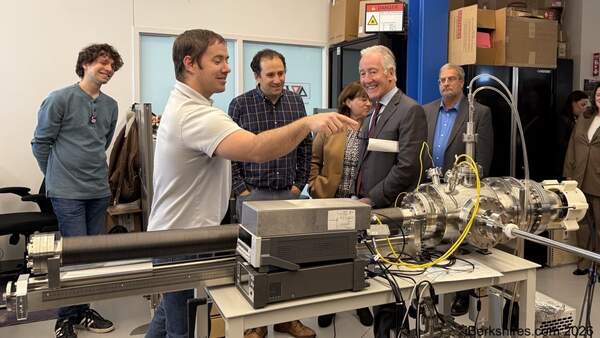
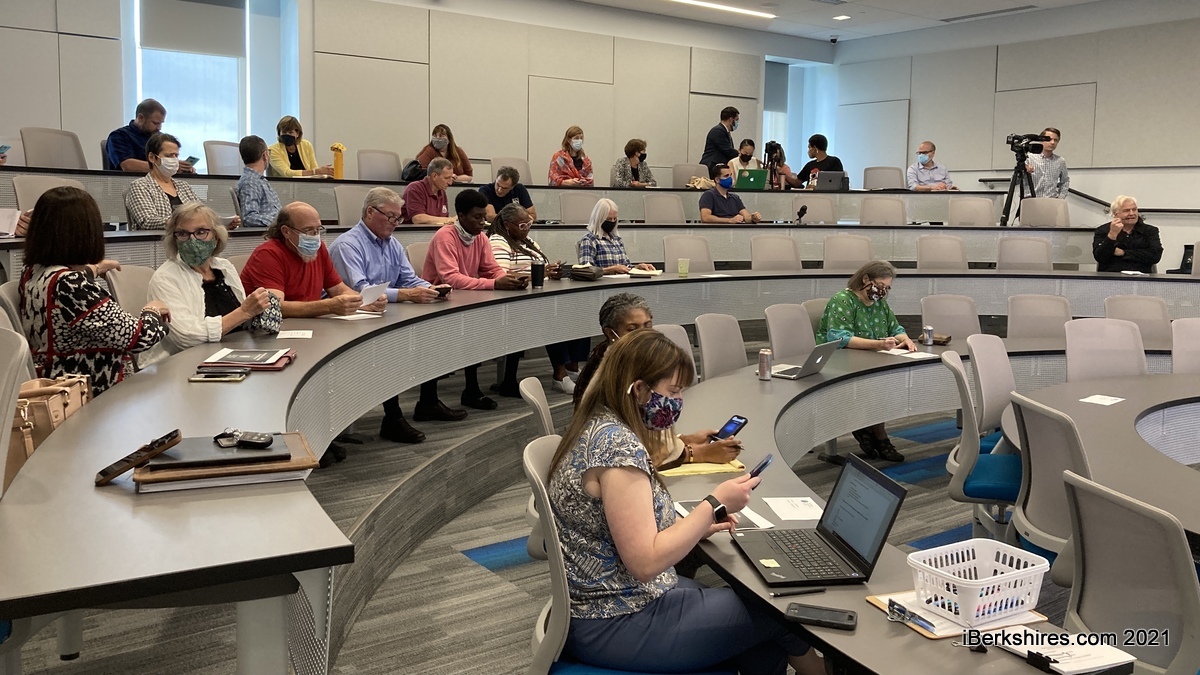
That was the priority determined by about 40 people gathered last Wednesday at the Berkshire Innovation center for a public hearing on economic development uses for the ARPA funds. This was the second of four hearings on ARPA funds; the first held at Conte Community School focused on social services.
They identified supplying loans, grants, and technical assistance to businesses and self-employed residents negatively impacted by the novel coronavirus as the most urgent use of the funds through a cell phone survey.
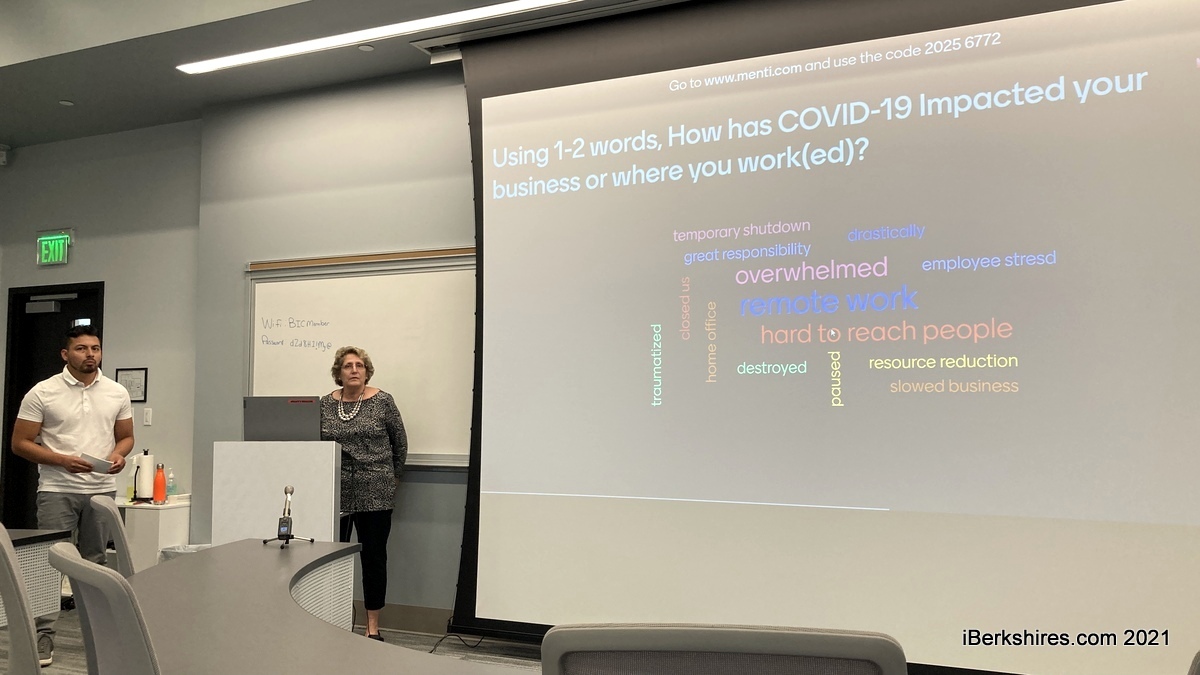
When asked how COVID-19 impacted the workplace, a large number of attendees summarized their experience with "overwhelmed," "remote work," and "hard to reach people."
Others said they felt "destroyed" and "traumatized."
"These are interesting words for us to use about businesses," Director of Community Development Deanna Ruffer said. "In many settings when we're trying to assess businesses we wouldn't hear words like 'destroyed,' we wouldn't hear 'slow business,' 'resource reduction' or employees being stressed, so it was a very unusual consequence to our businesses, and many are still feeling these consequences."
The $1.9 trillion American Rescue Act was passed by Congress and signed into law in March with the goal of stabilizing local government operations, households, small businesses, and other sectors affected by the COVID-19 pandemic.
Pittsfield is receiving $32.4 million that is being allocated in two parts. The first deposit of $16.2 million happened about a month ago and the second will happen next year at this time.
Obligations for the spending must be made by the end of 2024 and the funds must be spent by 2026.
The city is also receiving a county allocation of $8.4 million in two phases. The funds are being distributed to communities on a per-capita basis because Berkshire County no longer has a county administrative structure.
The types of eligible businesses assistance that ARPA funds can be used for — as identified by The US Treasury — includes loans and grants to mitigate financial hardship resulting from the pandemic; loans, grants, or in-kind assistance to implement COVID-19 prevention or mitigation tactics; and tactical assistance, counseling, or other services to assist a business plan, recovery or growth.
Ruffer reviewed the number of federal, state, and local programs that have been put in place over the past year to help businesses, such as the well-known Paycheck Protection Program (PPP.)
Though a few indicated that they utilized PPP loans, a majority of the attendees said they had received other assistance that was not listed in the presentation including unemployment assistance and a Business Equity Fund through The Boston Foundation.
The city of Pittsfield has invested more than $900,000 in 120 different awards to businesses within the city and still has some funding available.
Attendees voted "job search assistance" as the least urgent use of ARPA funds.
A few different explanations were given for this, with one person saying this is a "job-seekers market." It was also attributed to the pandemic giving workers an opportunity to re-assess their ideal career. Many businesses have been working short-handed for months and some have turned to increasing pay and benefits and offering bonuses to attract workers.
But some said the hearing may have been less accessible to people who need job assistance.
"I might suggest that just the nature of this meeting, the kind of people who come to this meeting, the location of this meeting, the accessibility of this meeting, naturally makes the job search assistance lower, since the folks who need that assistance, the most are the least likely to be able to be at this meeting," Berkshire Athenaeum Director Alex Reczkowski said.
"I'm speaking just from the library, we've had a ton of people come in needing help for job search assistance because other agencies that provide this have closed their doors and haven't had the online resources or other resources necessary for it."
A resident of the West Side said the name of the hearing may have deterred her neighbors from attending.
The group identified many additional COVID-19-related business or workforce needs. Similarly to first hearing, the social-emotional well-being of employees was highlighted because of stress from the pandemic.
Re-defining basic needs was also repeated in this discussion.
Other areas included transportation, child care, partnering with community organizations, marketing for businesses, equity in hiring, and attracting remote work under the technology sector.
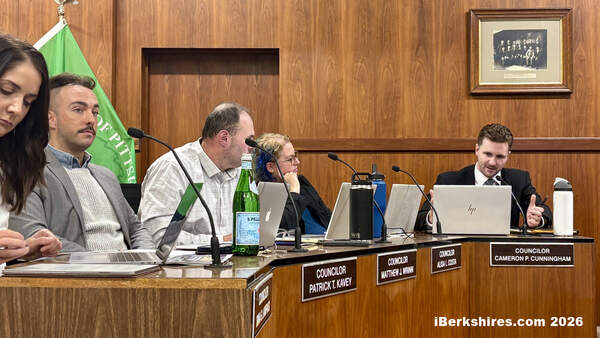
Resident Kamaar Taliaferro queried Mayor Linda Tyer on details about the advisory council that will be created for spending guidance.
The council will be made up of seven to nine community citizens to help narrow the focus of ARPA funds based on community input collected over the next couple of weeks.
Taliaferro asked Tyer if there are currently criteria outlined for the selection of council members.
"I think initially, and certainly as we move through this process, I may become more informed, but initially, I'm thinking about people who have some expertise in some of the areas of eligibility, and a member at large, someone from the community who represents the community at large," she answered.
"So I don't have like a job description or set of criteria, I think these forums and things that we learn over the next few weeks is going to inform that as well."
He also questioned how the city will ensure that residents in the West Side and Morningside areas will be included throughout the process and how their input will be implemented into final decisions.
Ruffer said the city has more than 45 years of working with the residents of those neighborhoods through Community Development Block Grant funds and will use those methods of communication in this situation.
She clarified that the U.S. Treasury does not mandate that the funds must be targeted to that population, as there are a number of different populations that are identified as desired targets.
The city encourages city councilors to gather constituents' wishes for the ARPA funds and to relay them back to Tyer. Input directly from residents is also requested.
Residents can find more information about the ARPA on the city website and can submit feedback to ARPA@cityofpittsfield.org.
Tags: COVID-19, federal funds, public hearing,
More Coronavirus Updates