Supply Chain Issues Prompt Reprieve From Williamstown Styrofoam Ban
WILLIAMSTOWN, Mass. — The Board of Health has spent a lot of time in the last year and a half talking about the COVID-19 pandemic.
But not quite like this.
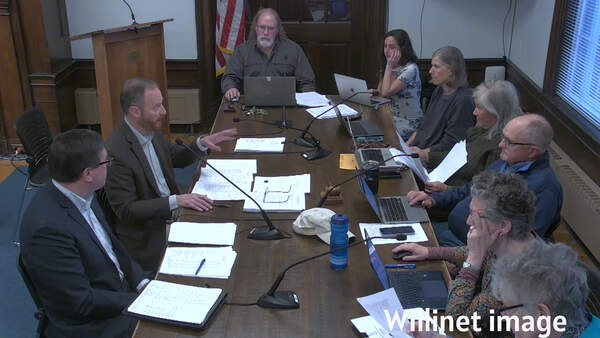
On Tuesday, the board voted 4-0 to grant the Cumberland Farms on Main Street (Route 2) a temporary reprieve from compliance with a 2015 bylaw requiring the use of "biodegradable, compostable, reusable or recyclable food service ware" at all establishments using disposable packaging for prepared food.
Town meeting seven years ago acted to ban non-recyclable Styrofoam cups and plastic single-use bags.
The town code also includes a provision allowing the Board of Health to grant a waiver "for a period of not more than one year if the person seeking the exemption has demonstrated that strict application of the specific requirement would cause undue hardship."
That was the case that Cumberland Farms' Greg Lorance made to the board in Tuesday's virtual meeting.
Lorance, who described his job as category manager for the chain of gas stations and convenience stores, told the panel that supply chain issues that predate the pandemic but are exacerbated by COVID-19 have made it impossible for Cumberland Farms to maintain its supply of recyclable cups.
"I've been buying cups and cup materials for Cumberland Farms since 2004," said Lorance, a native of Great Barrington. "The situation we're in now – and I know the word is overused – really is unprecedented.
"I've never seen anything like it."
Lorance explained that Cumberland Farms uses a polypropylene No. 5 recyclable product for its takeaway cups in all of New York, Vermont, Maine and Massachusetts municipalities, like Williamstown, that have banned Styrofoam products.
Cumberland Farms' supplier, out of Evansville, Ill., relies on a plant that had labor issues unrelated to COVID-19, he said.
"And then the COVID happened," Lorance said. "They were already teetering on the edge as far as their manufacturing shutdown. They actually got to the point where the manufacturing of that material that is formed into the cups completely shut down at the end of December. It completely shut production down."
Cumberland Farms uses about 25 million cups per year from the Illinois supplier, Lorance said.
The Framingham-based convenience store chain reached out to other vendors and had "doors shut in our face," Lorance said.
He told the Board of Health that Cumberland Farms has been scrambling to maintain its supply of recyclable cups that conform to Williamstown's bylaw, but it is at the point where it needs relief from the code.
"This was our last resort, not our first," Lorance said.
Going forward, he indicated that Cumberland Farms plans to carry more inventory to be prepared for future disruptions to the supply chain, but for now the chain had no option but to seek relief from the town.
He said Cumberland Farms' vendor said it should have production of the raw material for the cups up and running by early February, and the chain should be able to get the more environmentally friendly cups back in stores by March.
"I'm 95 percent sure we can meet that timeline," Lorance said. "With omicron, we've learned you're not going to get 100 percent assurance until you see those cups in the warehouse and see them going out the door."
To provide the company with enough of a cushion to account for slowdowns, Board of Health member Erwin Stuebner moved that the board grant a reprieve of up to three months. Ruth Harrison, Ronald Stant and Jim Parkinson each joined Stuebner in supporting that motion. Devan Bartels did not attend the emergency meeting with the single-item agenda.
Health Inspector Jeff Kennedy said he would keep in touch with Lorance to check on Cumberland Farms' progress in resuming its regular operations.
"You have my word and my promise that we will get back to supplying [recyclable cups] as soo as I can," Lorance said. "I sincerely do not anticipate that requiring three months."
Tags: BOH, Styrofoam,