Berkshire Dream Center Opens 'Bright Morningstar Kitchen'
PITTSFIELD, Mass. — Everyone deserves to have a dining out experience regardless of their ability to pay for it. That's the guiding principle behind a new program in the Morningside area.
Berkshire Dream Center is opening a restaurant-style soup kitchen that provides what it calls "dignified dining" along with serving of workforce development training. Bright Morningstar Kitchen, located within the church at 475 Tyler St., will begin serving the community on April 1.
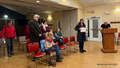
"We are so excited, this has been years in the making of this vision that we've had to have a restaurant-style soup kitchen and to serve those within our community with dignity and respect," said Executive Director Katelynn Miner, who is also pastor at the center with her husband, Jesse.
"We know Morningside community currently now still is known as a food desert by the USDA, so there is no meal site in Morningside and so this is filling a need for the food insecurity that currently exists, but also with it is we want to really serve people with a dignity piece where they're able to come and gather together with others within their community and have a nice hot meal, break down barriers that sometimes come up in between people and just for everybody to be treated the same way."
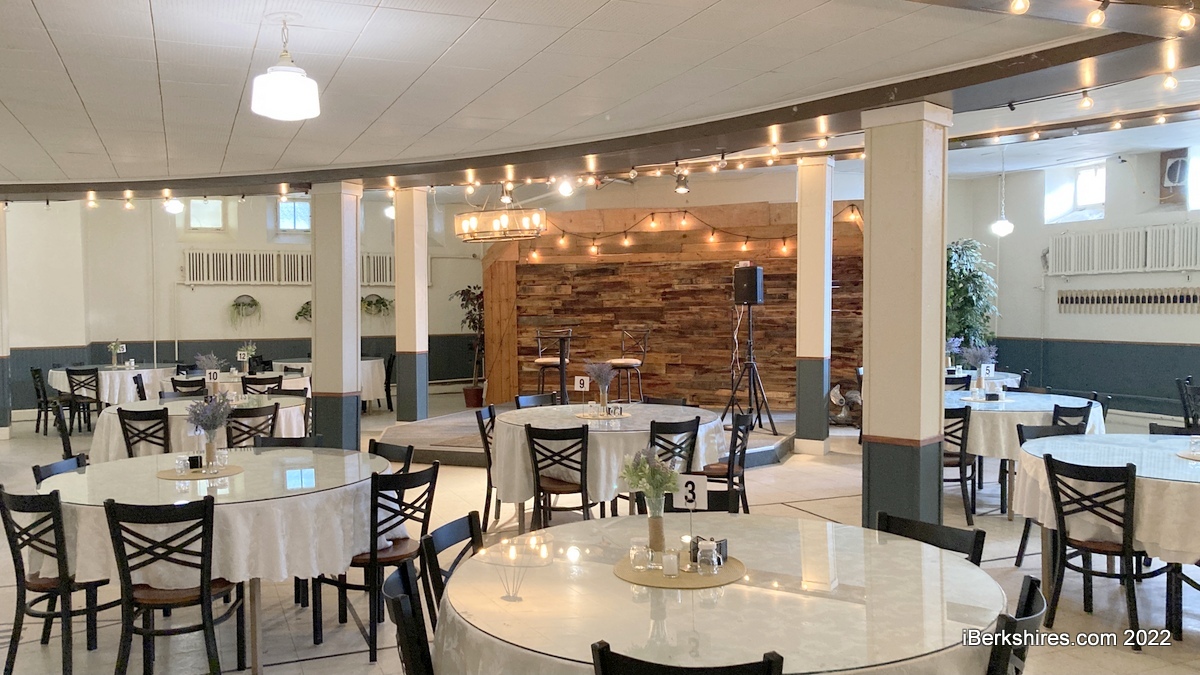
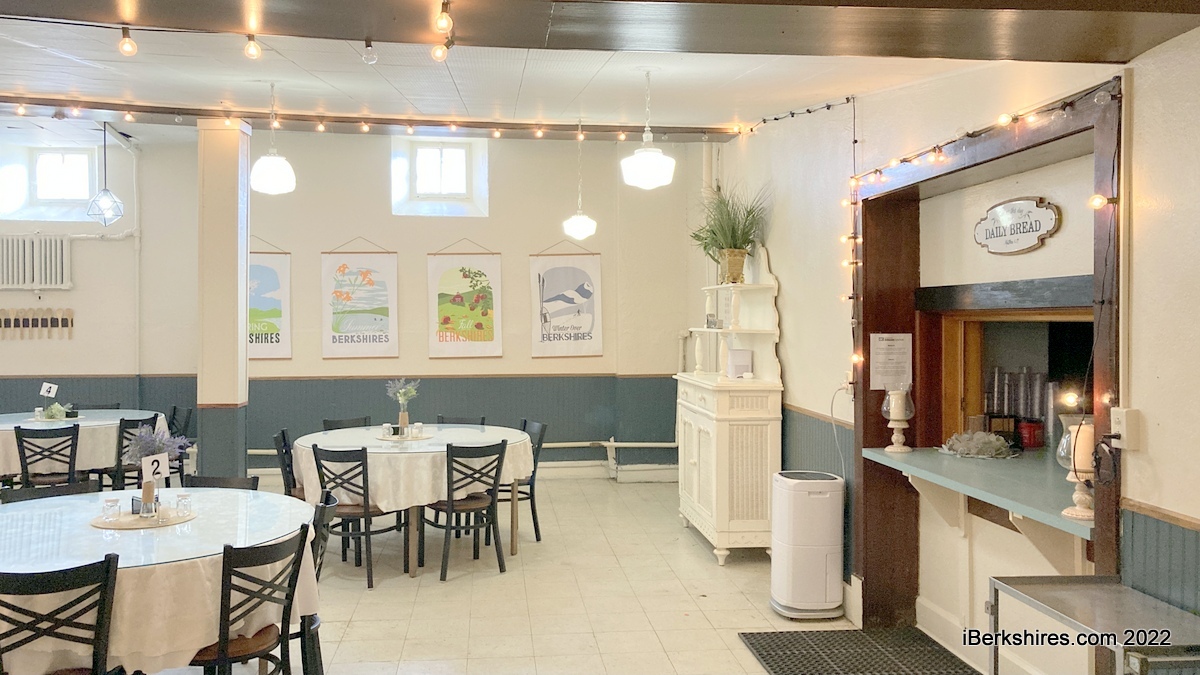
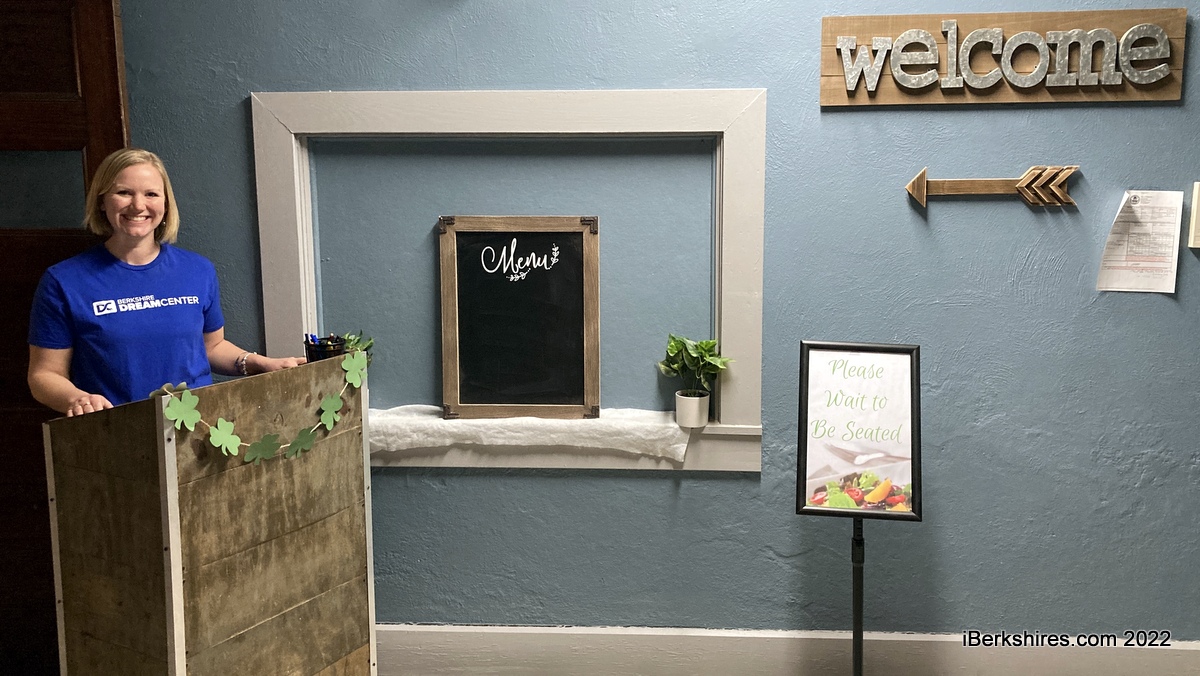
Upon entering, diners will be seated at round tables with glass tops and white tablecloths by a host or hostess and served a free meal by a waiter or waitress. Outdoor dining will be available in applicable weather thanks to the donation of picnic tables.
They will have a choice of menu items made from donated, nutritious foods that rotate at least every quarter.
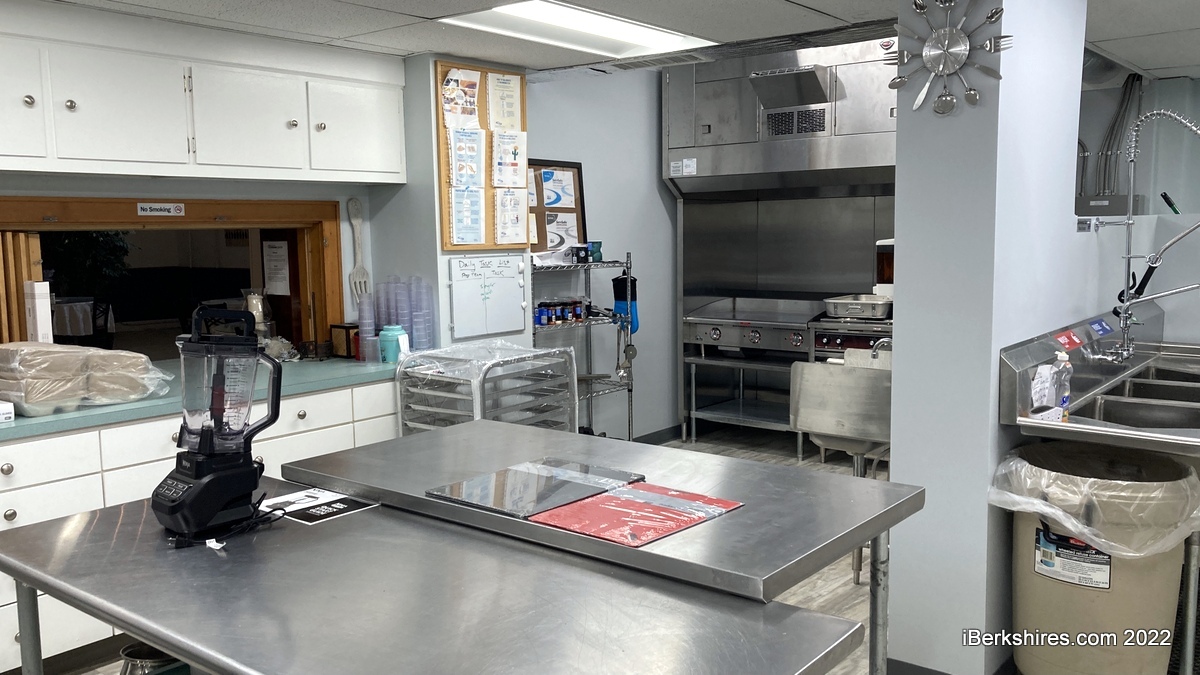
The lower level of the church was converted into a dining room and its kitchen was upgraded with all new appliances. Miner said the center looked at the space and thought "how can we use this to benefit the greater good?"
Front of house and kitchen workers will either be general volunteers or members of a six-month training program that puts people on a culinary or hospitality track. Certified professionals in both fields will be on-site to provide training.
"And so with this vision, we also kind of asked ourselves this question of what other needs are there within the community that we serve?" Miner explained.
"And so we know a lot of the people that come through our doors struggle as well with unemployment, not being able to have the experience necessary to get the interview that they're looking for, and so that's where it's the second piece of it is, that workforce development training piece."
Upon completion of the program, participants will be assisted in obtaining a ServSafe food handler certificate and will be able to choose from two options: entering the workforce or furthering their education at Berkshire Community College.
Canyon Ranch and Mill Town Capital, which owns many eateries in the county, have partnered in providing interviews for open positions when participants are ready to enter the workforce.
"With that personal connection with them, they're on board to see that we've walked alongside of them," Miner said.
"We're going to help them get the clothes for the interview, help beyond their resume to stay in with them to say, 'Listen, they've worked hard,' so it's helping them take that next step up."
Bright Morningstar Kitchen will open three days a week to start: Tuesday lunch from 11:30 to 12:30, Wednesday dinner from 4:30 to 5:30, and Friday lunch from 11:30 to 12:30.
Eventually, the hope is to be open five to six days a week.
Berkshire Dream Center's food pantry services will remain the same. Every Tuesday from 2:30 to 3:30, there is a food distribution outside of the facility and there are also mobile pantries that go out in central and Northern Berkshire County every month.
Over 14,000 pounds of food is distributed monthly.
The need for a soup kitchen really came from community input, Miner said, as people were always inquiring about hot meals.
"There are some people still today that don't have the ability to cook at home, they don't have a stove, they don't have other things," she added. "And so that's where we began to see that need and that's why we knew the need was pressing and we had to do this because there's a gap and we want to help meet that."
The Morningside area is classified by the U.S. Department of Agriculture as a food desert, which is a low-income tract where a substantial number of residents do not have easy access to a supermarket or large grocery store.
The closest grocery store to the neighborhood is Big Y on West Street or Stop and Shop on Merrill Road, both of which are not accessible by foot for those who don't have transportation.
It took more than three years and about $110,000 of fundraising to make Berkshire Dream Center's new kitchen a reality.
Major donors include Mill Town Capital, Greylock Federal Credit Union, A.C. Wood Contracting, Berkshire Taconic Community Foundation, Josephine & Louise Crane Foundation, Walmart, MorningsideUP, Martino Glass Co., Otto's Kitchen & Comfort, and support from community members.
Miner said without the sponsors believing in the vision that the Berkshire Dream Center had, it would not have happened.
Menu planning has been an enjoyable process, she said. All of the offerings will be healthy because the center wants to provide people with hearty options that they may not otherwise have access to.
"We're having a lot of fun with it, we rely on food bank donations so it's being creative with what we have, adding some things so we know that we're going to have soup and salad as an appetizer so people can choose either or," she explained.
"And then for the main meal we're actually coming up with some custom dishes that are signature to the area, one of the dishes is called the Theodore Roosevelt Chicken Sandwich. Theodore Roosevelt, when he traveled through Pittsfield, one of his favorite foods was chicken and so we're doing a healthy version of chicken with gravy like an open-faced sandwich, and we're trying to like bring some local things in, have some exciting food."
Both Guido's Fresh Marketplace and Canyon Ranch have expressed interest in donating salad ingredients and other donators to offset food costs are being sought out.
Miner hopes that this initiative will inspire others to be the change that they wish to see in the community.
Applications are currently being accepted for the workforce development training program through March 11. Applicants will be contacted to set up an interview by March 15 and notified by March 18 if they are selected to participate in the Bright Morningstar Kitchen Workforce Program.
Volunteer applications and sponsorship forms are also available online.
Tags: food insecurity, food pantry,
.jpg)

.jpg)
.jpg)