Berkshire Museum Exhibit on COVID-19 Impact and Vaccine Development
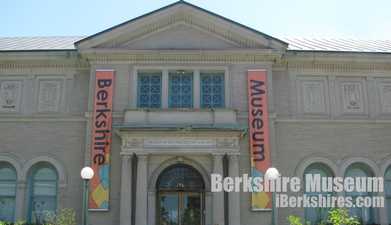 |
PITTSFIELD, Mass. — Visitors of the Berkshire Museum will be able to get a closer look into the science behind vaccines at the new exhibit, "Project Vaccine: Our Best Defense."
This interactive exhibition explores the long-standing evidence behind how vaccines work and celebrates the number of professionals involved in the vaccination process from research and development to distribution, to administering vaccines.
Presented, in both English and Spanish, "Project Vaccine: Our Best Defense" (Proyecto Vacunas: Nuestra mejor defensa) features interactive activities and asks questions that are informed by science and influenced by visitors' personal values.
"We are thrilled to have been chosen by the Museum of Science to present this exhibit in Western Massachusetts. We all have learned about public health these past two, difficult years, and have seen how challenging it is to control a virus. Project Vaccine teaches us about the fascinating work that goes into eradicating disease," said Hilary Dunne Ferrone, Chief Engagement Officer.
From learning about efforts involved in developing a COVID-19 vaccine to exploring the five different types of vaccines—RNA, viral vector, live attenuated, inactivated (killed), and recombinant—and their uses, from the scientists who worked on them. The exhibition includes interactive components that cover many aspects of the impact vaccines have had on humanity:
- Vaccine Pathways: This element features voices of real scientists who worked with these mechanisms to explain how the different vaccines with the help of animations and tactile models explaining the mechanisms.
- Take a Stand: A full-bodied activity that invites visitors to hear the experiences, thoughts, and values of others; and invites them to apply their own values to a question about vaccines. Visitors also hear from experts or people with personal experiences relative to the question and learn how their own choice compares to the choices of other visitors.
- Contagion/Herd Immunity Visualization: Using a 3D model of a community, visitors will explore how their individual decisions impact the spread of a disease. Disease strain, disease contagiousness, and social distancing and other preventative measures are also variables. By changing how many individuals in a community accept a vaccine, guests can explore how herd immunity can be accomplished.
- Last Mile: In Managing the Last Mile, visitors explore some of the logistics needed to get the vaccine to the public. Choose a persona and place them in a slot on a tabletop to learn about their contribution to the overall process. The personas include a nurse, a computer programmer, a community.
Tags: Berkshire Museum,