Supaman Brings Blend of Native, Hip Hop Stylings to Mass MoCA
NORTH ADAMS, Mass. — Award-winning performer Supaman will be showcasing his unique style of music that incorporates Native culture, comedy, and urban hip hop at Massachusetts Museum of Contemporary Art this Saturday.
Supaman said he shares his music in an effort to empower everyone and share stories to make a better world.
"I'm always trying to empower young people, whether they're native or not, whoever it is, trying to bring human beings together in unity, and celebrate diversity at the same time," the artist said in a recent phone interview.
With an open heart and open mind, he believes that humanity can take the first step in trying to listen. Through listening, he believes we can open ourselves up to our "empathetic heart and understanding" bringing us all together to celebrate diversity.
"When we come together, and we share our culture, our stories with one another, we understand each other better. And we're able to support each other and move forward for better humanity," Supaman said.
Christian Takes Gun Parrish is a member of the Apsaalooke Nation and was raised on the Crow Reservation in Montana. He founded a Native American hip hop group in the early aughts and has so far released four solo albums.
He always been a spiritual person as part of the culture he was raised in and has alway been open to the universe. After a spiritual encounter during his youth, Supaman was drawn to make an impact on his audience members.
"When I was traveling around being a knucklehead I would pray and pray. And I was like, 'OK, I need guidance' and I believe that it was the creator of the universe, guiding me. And it's kind of like asking me what I wanted to do with this music stuff," he said.
"And so I kind of made that decision in traveling that I wanted to be good, you know, I wanted to do things good and spread good messages rather than just being a knucklehead."
Dancing is a major aspect in the Apsaalooke Nation's culture and when someone wants to dance it is a big thing that brings the community together. There are many different types of dances such as the fancy shawl, traditional, chicken, jingle dress, and many more.
"So there's like, a few categories of powwow culture. Powwow culture is almost a kind of universal, native culture. It's becoming a universal type of culture. So different tribes adopt the different styles of dance that come from other tribes," Supaman said. "And it's accepted in the powwow arena. And then there's also your own dance that comes from your tribe that people still practice and those might be more ceremonial, more spiritual."
When someone wants to dance, the family comes together to make the regalia in preparation for the dance. There are many different styles of regalia and each piece represents the wearer in some way.
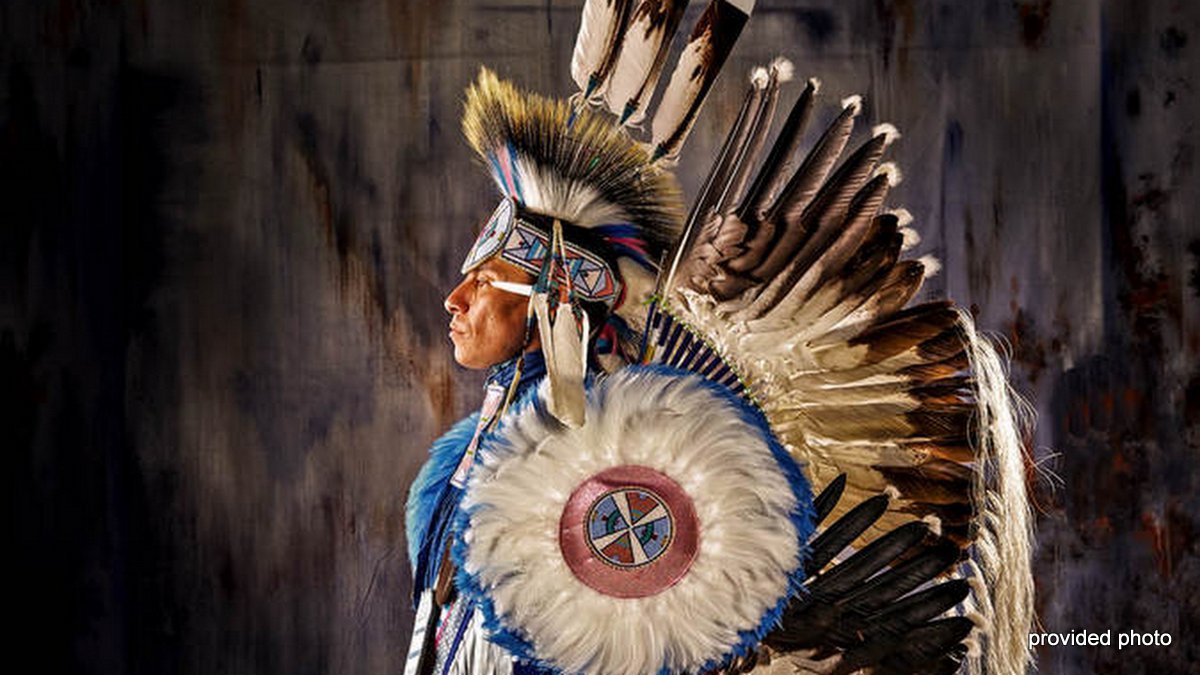
The regalia that he wears on stage is a contemporary style that comes from Oklahoma and was assembled by his wife and daughter to bring him good vibes while performing.
During the time of the Relocation Act and the Indian Removal Act, policies were put into place to "Kill Indian, Save the Man" which silenced the customs of the Native people, he said. Dancing was outlawed at one time because they were not allowed to be native.
This trauma is still felt which is why Supaman believes it is so important to share the culture in an effort to inspire.
"We're constantly still feeling those waves of trauma. And so sharing the culture, the dance, and sharing your stories, inspires people to be resilient no matter where they're at, in their life, whether they're native or not, to keep fighting for what you value, what, what you believe is good," he said.
The performance begins at 8 p.m. in Club B10 on Saturday. Tickets are $16 or $22 on Saturday, for students, $12, and can be purchased here. Masks are required and proof of vaccination for those 5 and older.
Tags: mass moca,