Route for Sept. 24 Tour De Greylock Bike Ride Finalized
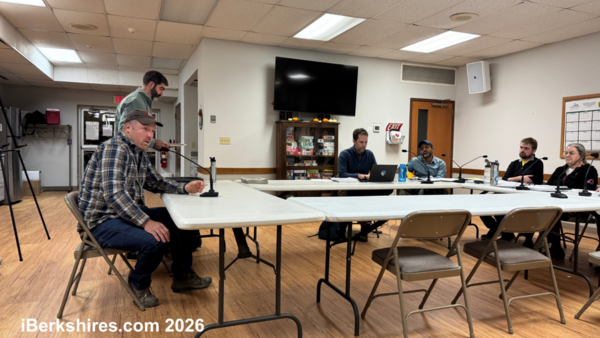
LANESBOROUGH, Mass. — The Economic Development Committee is in the final stages of planning the first annual Tour de Greylock bike ride, which will take cyclists through six communities navigating the base of Mount Greylock.
The committee discussed Thursday the final 41-mile route that will take riders through Lanesborough, New Ashford, Williamstown, Adams, North Adams and Cheshire. The inaugural event, which has been in planning for several months, is slated to begin at 8 a.m. on Sept. 24, with the ride's start and end points at the Berkshire Mall.
The group is also working on securing sponsorships and merchandise for the event. Committee Chair Barbara Davis-Hassan plans to write a cover letter inviting every business in Lanesborough to participate as a sponsor.
"I think that would be wonderful; to say we would like to invite all of Lanesborough businesses to be sponsors of this first annual Tour De Greylock," she said.
Berkshire Regional Planning Commission representative Laura Brennan said she will try to spread information about the event in Pittsfield. Recording secretary Patricia Hubbard is also trying to get people informed.
"I think it's just about promoting, promoting, promoting, now," she said. "I'll send [information] out to all the bike shops so they can get it on their websites and I generated a list of all the bike clubs in the northeast."
Committee member Thomas Voisin said he was concerned about the stretch of the ride from Adams to North Adams, particularly the section going through Curran Highway. The group agreed they must take precautions to ensure the safety of both cyclists and drivers.
"I think that's probably a stretch that we need to have extra conversations with the police departments about," Brennan said. "And talk about what kinds of precautions we can take; can we put up extra signage along that stretch to warn cars? I agree it's definitely the most hectic stretch."
In other business, the committee discussed its new business guidance booklet, which is almost complete. Brennan said she wants to get more info on the timeline for the town's new website before publishing it.
"The key thing that is sort of putting this whole thing on hold is that the website is going to switch to a new platform," she said. "Every single link that we've been incorporated into this draft will be wrong."
The committee discussed the possibility of having a home-based business-to-business event. The committee has coordinated several such events to bring exposure to local businesses, which Davis-Hassan said have been successful.
"It was a small intimate group, but it was so amazing ... Everybody kind of did what they're supposed to do; network, do business, create," she said.
The committee does not plan on holding another business-to-business event until after the Tour De Greylock bike ride.
Tags: biking,