Pittsfield Cultural Council Celebrates 2022 Awardees
PITTSFIELD, Mass. — The Pittsfield Cultural Council awarded grants to 31 projects ranging from $200 to $2,013 in 2022.
Its 2023 allocation of $48,500 is more than $7,000 higher than the previous year and the awardees will be voted on in November.
The application period for 2023 opened on Sept. 1 and ends just before midnight on Oct. 17.
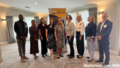
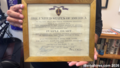
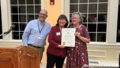
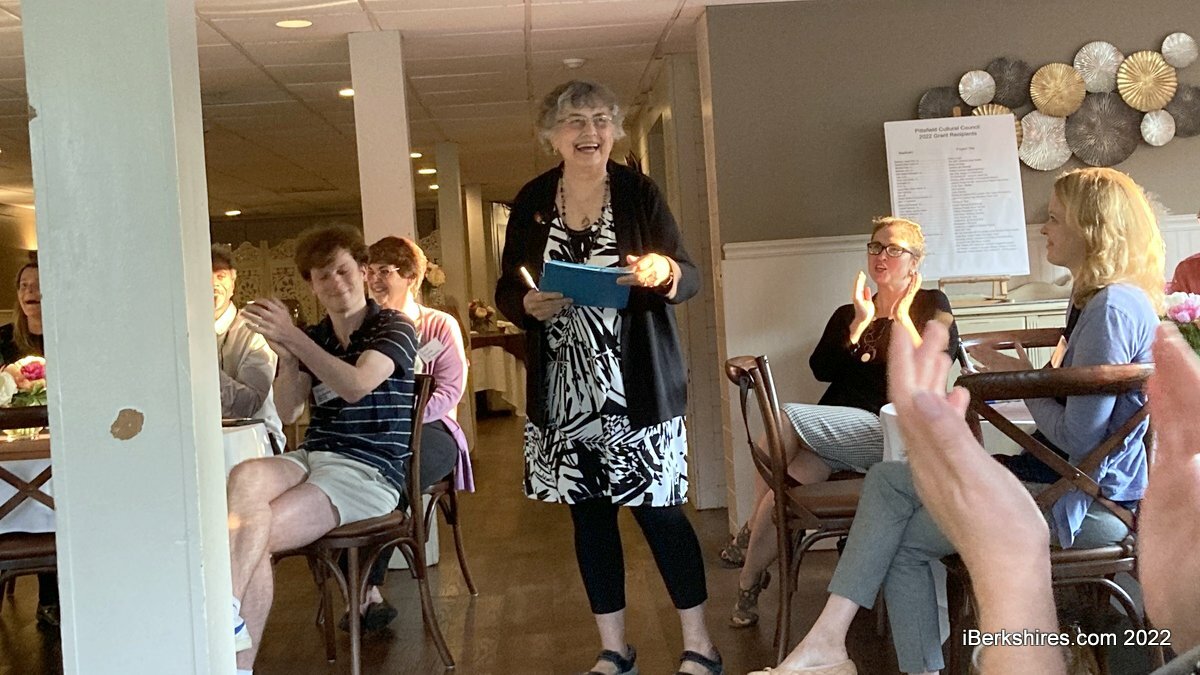
"With funding from the Massachusetts Cultural Council, the Pittsfield Cultural Council provides grants to help underwrite projects, programs, and events in the arts, humanities, and interpretive sciences," council Chair Marilyn Gerhard said at a reception last week at Zucchinis Restaurant that honored the 2022 grantees.
"We are committed to supporting the work of local artists, cultural institutions, and schools, as well as the work of community members who identify as black, indigenous, POC, LGBTQX, refugee, immigrant, or a person living with a disability and sustaining and enriching the diverse creative community of the city of Pittsfield with a focus on making cultural activities accessible, and engaging to all."
Projects that directly benefit Pittsfield residents, are accessible or of minimal cost to the community, reach diverse audiences and promote new growth in the arts are prioritized.
Gerhard applauded those who have received the funding for their projects this year.
"I have attended so many wonderful things here and I salute all of you," she said.
In 2022, several musical and theater organizations received $2,000 grants including Berkshire Music School, Berkshire Concert Choir Inc., WAM Theatre, and Shakespeare & Company.
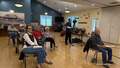
Berkshire Music School was funded for its 2021-2022 community group classes, which are offered on a pay-what-you-can basis.
Executive Director Natalie Neubert explained that the program offers classes for all ages that include a wide range of styles, genres and interests. This includes "mommy and me" classes and intergenerational chamber music lessons.
"The goal is that there's something for everybody. something for everyone to be excited about," she said. "And starting last year, so with this grant cycle, we made all of our classes 'pay what you can' so no one is turned away on account of inability to pay and we literally mean that some people will come and pay $1, $5, so everybody's invested in being there but no one is turned away."
Neubert reported that last year was "very successful" and that the school is running the program again this year with an expanded variety of classes.
The funding supported Shakespeare & Company's "Shakespeare in the Courts" program, which allows adolescent offenders to study, rehearse, and perform Shakespeare as an alternative to more punitive consequences.
It is operated in conjunction with the Berkshire Juvenile Court System and was established about 20 years ago.
"We teach them Shakespeare, they learn monologues, they work with our teaching artists for multiple weeks on a daily basis and at the conclusion of the program, they actually give a performance," development strategist Alex Zaretsky said.
"They do scenes from usually one but sometimes a couple of different plays before their family, mostly, also company staff and artists -- artists always show up to these performances -- and representatives of the juvenile court."
WAM's Artistic Director Kristen van Ginhoven emphasized that her organization has been lucky to received funding from Pittsfield Cultural Council for many years.
"We really love how transparent they are, we're lucky we get funding for our season in total," she said. "We tend to produce one mainstage production and we often have students from Pittsfield high schools that come, so we collaborate with the art integration teacher there and then this grant helps those students come to the play, helps us bring in teaching artists to the schools so that they can do like a workshop before coming to the play, and then a workshop after coming to the play and really make it a full experience."
The Berkshire Concert Choir was funded for its "Seasons of Light" concerts in February that were held at St. Ann's Church in Lenox.
Artistic Director Matthew Thomas said marked the choir's return to live concerts after performing virtually during the pandemic.
The Flying Cloud Institute also received $2,000 for a girls' science club called "Closing the Gender Gap." The after-school STEM program is in its 23rd year.
Executive Director Maria Rundle explained that the program combines creative expression with science and engineering and trains high school girls to mentor younger students.
"It really is like a pipeline from ages 9 to 19 to keep girls invested in STEM, learning creative expression, to develop their voice individually, and then also to reach back and support the younger girls," she added.
Rundle said the program has been running for so long that the program has participants who became scientists and who now come back to volunteer.
18 Degrees' program "Kids 4 Harmony" received $1,500 in funding. It is a free, intensive classical music program for youth from under-resourced communities in Berkshire County.
It focuses on musical excellence, well-being and development, and family support.
Vice President of Programs Gina Blake said the program hopes to serve around 40 kids in Pittsfield, focusing on Morningside Community School. She highlighted its high expectations that lead to success in skills.
"It's been a really great program and a great opportunity to work with the schools," Blake said.
Participants span from third grade to high school and two teaching assistants who are high school students were just hired.
"We've found that our students are some of the best teachers even when we try to hire outside people that are trained really well," Blake said. "It gives them an opportunity to grow as a peer facilitator and show their skills."
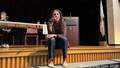
A local podcast titled "Speak Little Forest" received $500 in funding. Created and hosted by Meghan St. John, it tells the stories of people in Berkshire County.
St. John, who is native to the county, is an English teacher with a background in journalism who loves podcasting. During the pandemic, she worked hard to learn the ins and outs of podcasting and now has 10 episodes.
"It's kind of a profile podcast," she explained, "So long-form interviews with people who live and work here."
The podcast profiles have included the owners of Balderdash winery Christian and Donna Hanson, activist and children's book author Ty Allan Jackson, and BlueQ co-founders Seth and Mitch Nash.
The 2023 funding applications will be voted on the second Wednesday of Nov. at 7 p.m. in Room 203 at City Hall.
Tags: cultural grants,