Central Berkshire Regional Works to Improve Student Belonging
DALTON, Mass. — The Central Berkshire Regional School District is working on improving the general public's accessibility to the Diversity Equity, Inclusion and Belonging Steering Committee's resources for the.
It plans to improve the website, increase its social media presence, and link scholarly articles and videos to the agenda and on the homepage.
It will continue to develop the theme of belonging that it has been working on for a couple years now.
The steering committee was established a few years ago but its work was hindered because of the pandemic.
Although members conducted meetings via Zoom the energy of the meeting was lost, Assistant Superintendent Michael Henault said last week.
Superintendent Leslie Blake-Davis and Henault have been collaborating to rejuvenate this committee because of its importance to school culture.
The committee has been meeting in person all year and has been regaining that lost energy, Henault said.
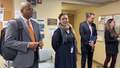
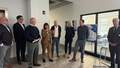
Administrators, school district staff, parents, and community partners including Multicultural Bridge and Dalton Community Recreation Association attended the meeting on Wednesday night to develop a dialogue on ways they can help their students feel belonged.
The committee reviewed an Association for Supervision and Curriculum Development article titled "How to Make Your School Psychologically Safe" and discussed how to use aspects of the piece to inform improving the district's culture.
The major component needed to make kids feel belonged in the district is building trust between the administration, members said.
The original assumption one group had was that safety and trust go hand in hand but after a discussion, they concluded that safety was the first step in building trust in a classroom and school.
If a student does not feel safe, certain negative behaviors surface making it impossible to build trust, Multicultural Bridge representatives Florence Afanukoe and Stephanie Wright said.
Parent Christie Higuera noted that it may be difficult for some teachers to change their classroom environment but it is a crucial component of building trust.
Craneville Elementary Principal Becky Neet also said teachers can make tiny shifts such as greeting students at the door rather than at their desk to make the environment start to feel safe.
These changes it become more intrinsic because the students' behavior changes, such as greeting the teacher before they have a chance to do so.
Another concern noted by members is that it can be difficult to have an open door policy to support all students' needs when there are so many students and not enough teachers.
In order to create this safe environment and build trust, the district's staff first has to set an example for the students, Nessacus Middle School Vice Principal Gary Campbell said.
New positions in schools have been created in order to improve the lives of students so it is important that teachers set aside their ego and be unified, Campbell said.
To provide a safe environment staff members have to be able to have a conversation when resolving a problem.
Not only should this attitude be given to fellow staff members but also to the students, members said.
Teachers need to take their time to listen to the student's perspective and find a way to resolve the problem through open dialogue.
Doing this will change the students and parents' perception of the teacher and will see greater positive results, members said.
"I think being able to have those conversations within the classroom, that compassionate communication, as a bedrock coupled with trust, allows for growth and allows for psychological safety," parent Roberta McCulloch-Dews said.
Even though time is limited when teachers are able to take a step back and open lines of dialogue, students will better understand a teacher's perspective, members said.
Wahconah Regional High School Athletic Director and Dean of Students Jared Shannon said it is also important to trust the students and give them opportunities even when they make a mistake.
Tags: CBRSD,