MCLA Ending Year With Surplus, Sees Uptick in Fall Applications
 |
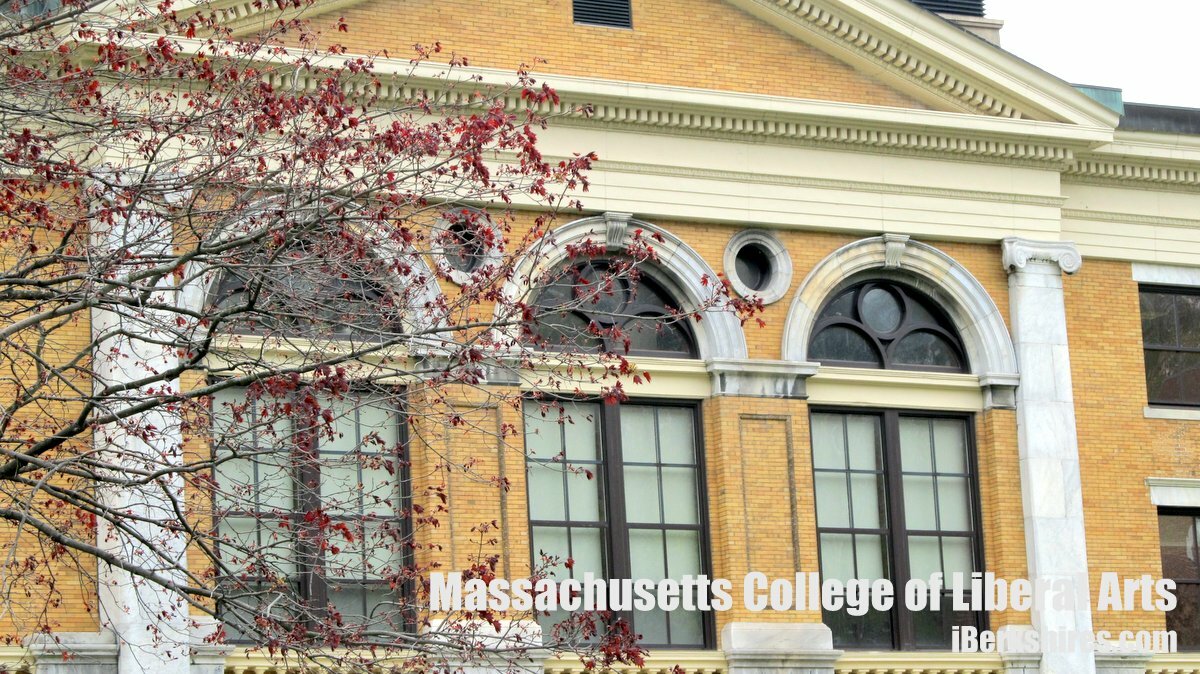
NORTH ADAMS, Mass. — Massachusetts College of Liberal Arts will end the year with more than $1 million to the good but is expected to come up a short in fiscal 2024.
"Our best estimate, we're going to end fiscal year '23, our best estimate right now from what we can see, at about $1.5 million, which will go to reserves," Joseph DaSilva, vice president of administration and finance, told the college trustees last week.
The projection is based on a combination of increased revenue from tuition and fees this past year and from not filling a number of full- and part-time positions.
DaSilva gave updates on three reports given to the Fiscal Affairs Committee on expenses and revenues through the end of February, the end of the fiscal year and a summary of the draft budget for fiscal 2024.
The college expects to expend $20.6 million in appropriations by the end of this fiscal year.
"Right now, as of the last committee meeting, we're about $1.2 million to the positive on revenues," he said. "Looking at expenses ... for full-time employees, we're clearing positive variance about $800,000 and that is all due to open positions."
As of the end of February, the college had not spent some $530,000 on staffing; a positive variance of $400,000 came from keeping the number of adjunct and part-time employees low, in part because of difficulties in finding part-time help across campus since the pandemic.
"We look at tuition and fees, that's positive here at about $384,000, scholarships were about about $230,000 largely from the Mass Plus program," DaSilva continued. Mass Plus is a financial aid program for income-eligible undergraduate students.
"We're about $1.6 million to the good again due to enrollment being better than what we have projected for our budget reserves. We had allocated about $500,000 from reserves to help balance the budget for FY 23," he said. "At this rate, the way we are going right now, we are not going to have to utilize those funds at all."
For fiscal 2024, the governor's budget has $21.8 million for MCLA, and the college is anticipating $47 million in total revenues, including a projected $2.6 million from the Department of Housing and Community Development for use of the Berkshire Towers for temporary family sheltering.
In terms of expenses, full-time employees are pegged at $22 million and another $300,000 has been added for upgrading orientation for first year students. There are also plans for a new signage initiative and a key upgrade.
"Where we have expenses is about $48.4 million, which leaves us was still a budget gap of about $1.2 million, which we are continually working with with President [James] Birge and a bunch of managers across campus on how we can still shrink that number down before we approached Fiscal Affairs on what number we might have to, again, request from the board for use of reserves."
Birge reported on two cost-saving items, the termination of space in Pittsfield and an early retirement incentive program.
Five employees took advantage of the retirement program in spring 2022 at a cost of $291,000 that realized savings of $382,000 in the following fiscal year.
The college also decided not to renew its lease for space in the 1Berkshire building on Allen Street at $65,000 a year. The college had been offering courses and certificate programs there since 2019 — but that was before the pandemic.
"All of us learned that work occurs differently now, after the pandemic, and we didn't have the need for that instructional space," said Birge. He anticipated a planning process in the fall on how the college should maintain a presence in Pittsfield.
The college is also anticipating 50 students for the men's and women's resurrected hockey program.
"Currently we have about 105 applications for those teams, which is a healthy increase for us in terms of the athletics program," the president said. "If indeed we have those 50 players, there would be additional revenue that came comes in after that first year, but for the first year, because of startup costs, there would be about $171,000 deficit of expenses over revenue."
That deficit will be partially offset with alumni pledges and the projection is after the first year that those programs will generate a little more than half a million dollars in revenue.
Since the nursing program was approved by the Board of Higher Education last month, the college has received 25 qualified applications. Birge said 30 new students are anticipated for what would be a pre-nursing program this first year and 30 students in each subsequent year for an enrollment of about 120 total over four years. Startup costs for the nursing program will also have an effect on the fiscal 2024 budget.
Enrollment is slowing climbing back up after a steep drop of 35 percent during the pandemic, he said. It was up 13 percent last fall and application deposits are up 40 percent over last year at this time.
"I know people who've written to the trustees and the community has expressed a shared concern that I have about enrollment," Birge said. "We won't we gain all those students right away, the way that we lost them, it will take some time to to transition. And we're starting to see that."
Tags: fiscal 2024, MCLA,