Pittsfield Sees Significant Spending of ARPA Funds in First Quarter of 2023
PITTSFIELD, Mass. — American Rescue Plan Act expenditures have significantly increased in the first quarter of 2023, with more than $4.4 million expended from January to March.
Fifty percent ($2.1 million) funded negative economic impacts, 32 percent ($1.4 million) public health, and 15 percent (about $682,000) infrastructure.
Two percent was spent on revenue replacement and one percent on administration.
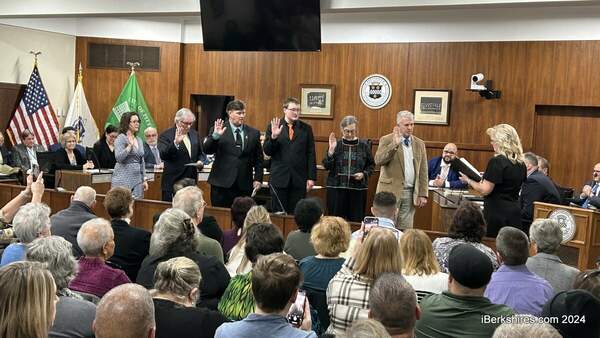
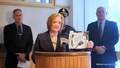
Last week, Special Projects Managers Deanna Ruffer and Gina Armstrong presented the City Council with the expenditures, which include more than $1 million to 37 nonprofits that were awarded last year.
"We now have 34 of our 37 under contract, 33 of which have submitted invoices at the end of the first quarter so we're well along the way to the community partners spending money as well as our city base projects, really beginning to expend significant money as well," Ruffer said.
To date, about $9.7 million of the nearly $41 million received in 2021 has been spent.
This breaks down into about $3.6 million for infrastructure, about $3.5 million for negative economic impacts, about $2.1 million for public health, about $245,000 for revenue replacement, and about $319,000 for administration.
Armstrong explained that this quarter's expenditure is much larger than other quarters because community organizations that received ARPA funding have begun their programs, services, and capital projects. It also accounts for the larger projects in housing and infrastructure.
Nearly 20 site monitoring visits have been conducted to check up on fund recipients' initiatives.
The two highlighted several community partners that have benefitted from ARPA funds.
"I think where we're seeing some really exciting progress is the work that's being done by our community partners," Armstrong said.
The South Community Food Pantry received $50,000 for capital improvements to address an increase in community need, the Gladys Allen Brigham Center received $100,000 for repairs on its summer camps that serve 150 youth, Berkshire Nursing Families received $10,000 for its nursing assistance program, and Volunteers in Medicine received $200,000 to meet increased healthcare needs from uninsured or underinsured residents.
The largest allocation of the bunch was Berkshire County Head Start, which received $700,000 to address long-standing economic disparities that impact access to affordable daycare, family support services, and health and wellness partners.
"They identified a gap during the pandemic where they saw so many families, especially those immigrant families where they were really falling through the cracks. They were under-resourced to provide quality child childcare so they really had to stretch outside their typical program service area to create a new program to help with the recovery of the pandemic," Armstrong explained.
"They have established a special program called Reach. It addresses the long-standing economic disparities impacting access to affordable daycare, family support services, and health and wellness partners. So it really is a wraparound, very comprehensive child-care program and the goal is to secure long-term sustainable day care and self-sufficiency."
Ruffer pointed out that not many other Head Starts have this program and it will be used as a model to advocate for people who may fall through the cracks.
The public health allocation was higher because of the $4 million investment in Pittsfield High School for the remote control of heating units, temperatures, air ducts, and ventilation. This will significantly decrease operational costs and increase energy efficiency.
Ruffer reported that the new heating system is 70 percent complete and three boilers will be installed in 2024 to replace the originals that date back to 1930.
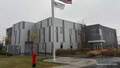
The Ashley Water Treatment Facility's chemical storage building was allocated $4.6 million.
"It is 68 percent complete. It increased the number of dollars you saw expended in the last quarter as well in the infrastructure category," Ruffer explained.
"And there are many parts of this project that are now well along the way. They have had some challenges with supply chains that have affected but things are moving along well towards a fall completion."
Tags: ARPA,