CBRSD Introducing Vaping Intervention Programing
The Central Berkshire Regional School District is concerned about the spread of vaping in the student body. It's hoping educational programming for parents and students will help deter its use.
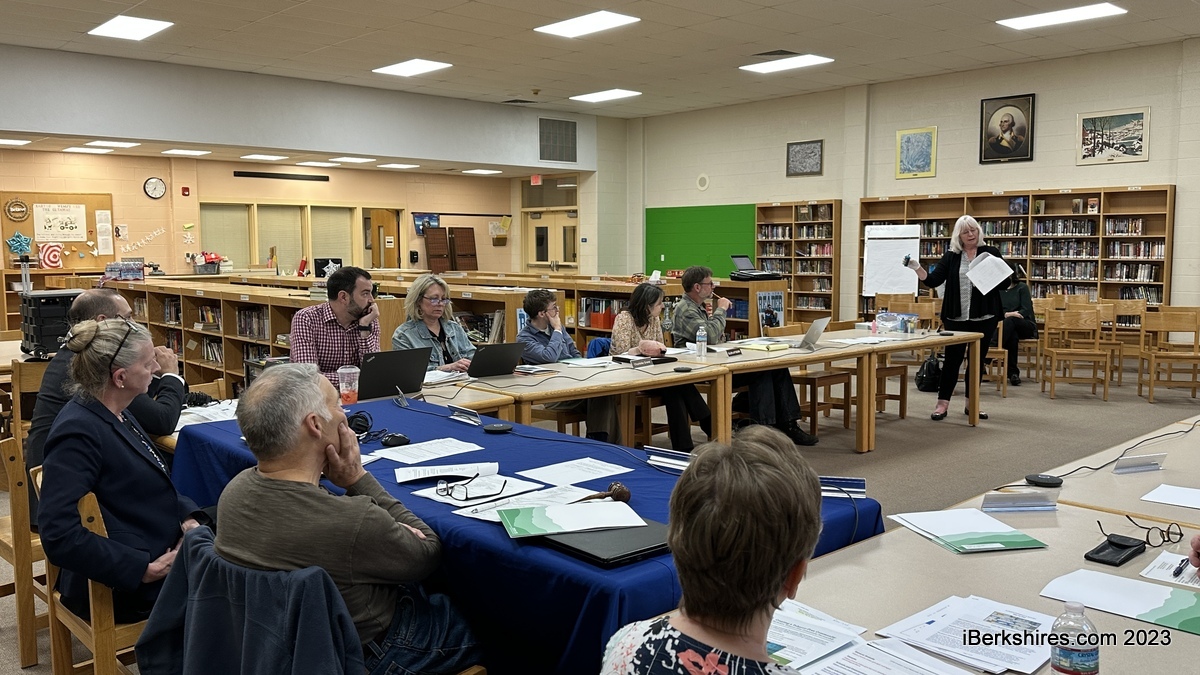
There are a lot of programs available to educate and provide students the tools to prevent or quit vaping so the district is looking to Tobacco Free Community Partnership program manager Joyce Brewer for guidance, Superintendent Leslie Blake-Davis said at Thursday's School Committee meeting.
Although there are only a couple known cases, the district is concerned about the number of students who are choosing to vape because of its health concerns.
"We have a genuine concern. This doesn't happen often in [Central Berkshire Regional School District,]" Blake-Davis said.
"We've had maybe one or two cases, but enough that we know this needs to be addressed. The other component of this that is very concerning for us is the amount of students that are vaping."
The district is specifically interested in a program that looks at the issue through the lens that it is an addiction and introduce a student-led group similar to the student-led school climate improvement program No Place For Hate.
Brewer recommended the program Chapter 84. The organization will come in and facilitate a student-led organization at a high school level that is advocating for student health and educating the students of the dangers of vaping.
The other component that the district is exploring is having a support group for students who need help quitting through the American Lung Association's In-Depth Program.
The school has vape detectors in its bathrooms but the district wants to do more to address the issue.
Brewer noted that it is important the intervention not be disciplinary in nature
The most effective solution is constant education to parents, students, and teachers about the chemicals in vapes that cause health concerns, how the addiction affects their friends, and the marketing techniques that the industry is using, Brewer said.
Students are not supposed to be getting these products in Massachusetts because of a tobacco regulation bill that was passed in 2018, she said, but they are getting them from surrounding states or from parents who think vaping is safer than cigarettes.
With marketing campaigns and educational programming informing youth of the hazards of smoking, cigarette use among youth has decreased, however, the industry is adapting, Brewer said in her presentation.
The ideal time to start education in a school system or as an agency is as early as 6th grade because of reports of students starting to vape at the age of 9.
This generation is experiencing the most difficult period ever due to COVID-19, the lack of socialization, and other stressors has caused many of them to say vaping helps them relieve stress, Brewer continued.
Vaping, like smoking, sugar, and other things, is a sympathomimetic so users, she said, will "hit the top and then all of a sudden your down."
The manufacturers have taken a page out of the tobacco industry's play book when it comes to marketing their products to youth. It has advertised the product as something that will relieve not only stress but common insecurities including weight loss, Brewer said.
She said the tobacco industry uses three main tactics in an effort to hook kids to their products: selling sweet flavored products, making it cheap, and easy to get.
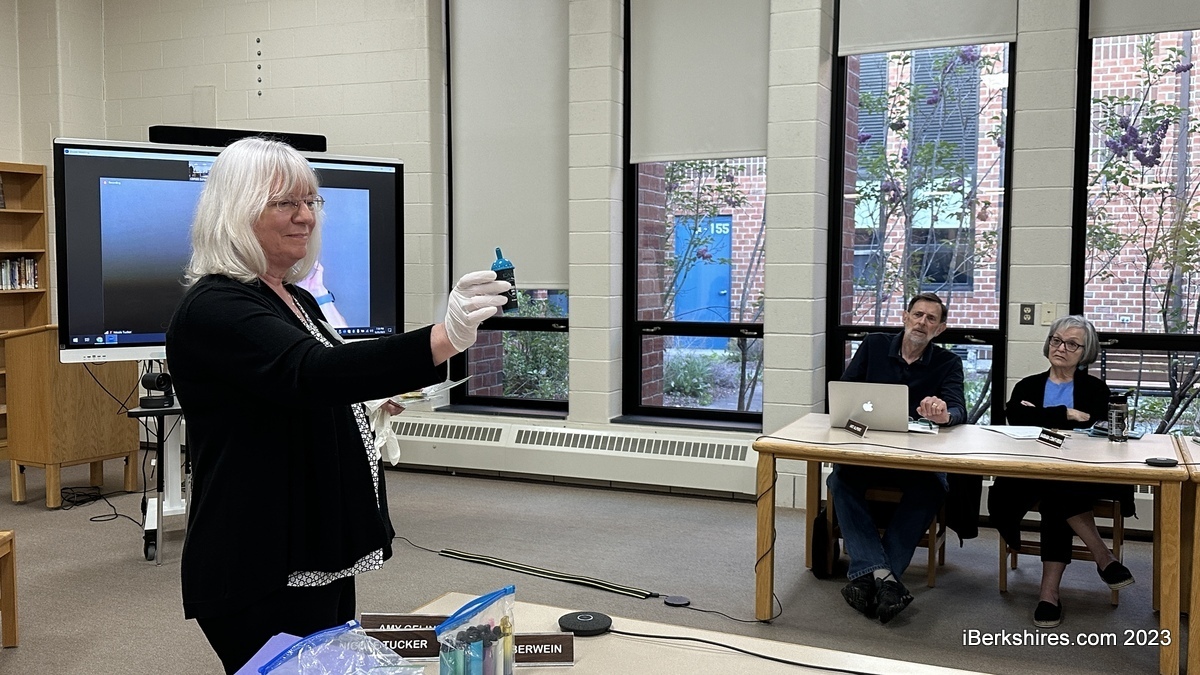
Brewer presented an example of a vape that was confiscated from a student that would last 8,000 "puffs." The average amount of "puffs" from a cigarette is 12.
One committee member noted how the product looks like a toy.
When speaking to youth, Brewer said students expressed they would never smoke because it is "nasty" but the sweet flavors and chemicals in vaping make for a smoother hit that does not have the same effect.
Tags: CBRSD, vaping,