Williams College Plans Temporary Athletic Facility on North Campus
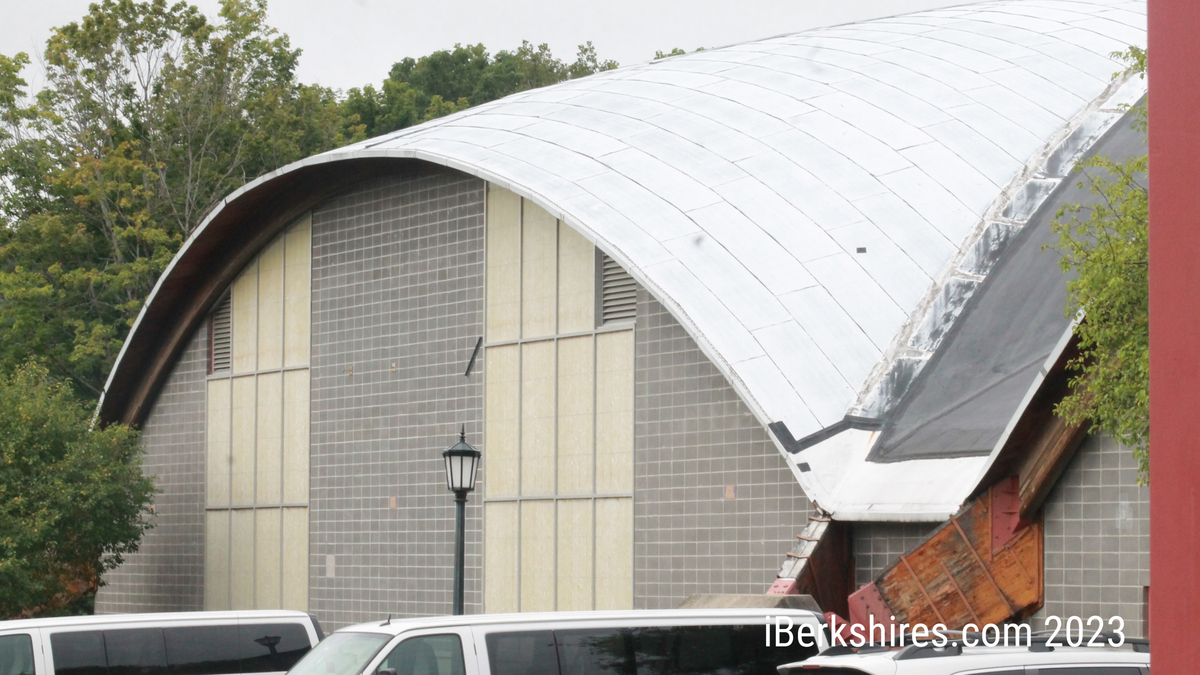
Williams has not discussed a timeline for the demolition of Towne Field House, which the college's strategic plan has identified to be replaced.
Updated on Sept. 14 to clarify that the new temporary recreation facility will be repurposed after the college accomplishes its goal to build a permanent new field house.
WILLIAMSTOWN, Mass. — Williams College this week announced plans to build a temporary recreation facility on the north end of campus to fill the gap left by the closure of its Towne Field House.
President Maud Mandel mentioned the new athletic facility as part of a Monday email to the campus community.
"The facility, to be built north of the tennis courts, is already attracting alumni support," Mandel told members of the community. "The WEM Foundation and Jim Hield [Williams Class of 1977] gave $15 million to support a comprehensive program and site planning study, the construction of the new multi-purpose recreation facility and the eventual construction of an Athletics and Wellness Complex."
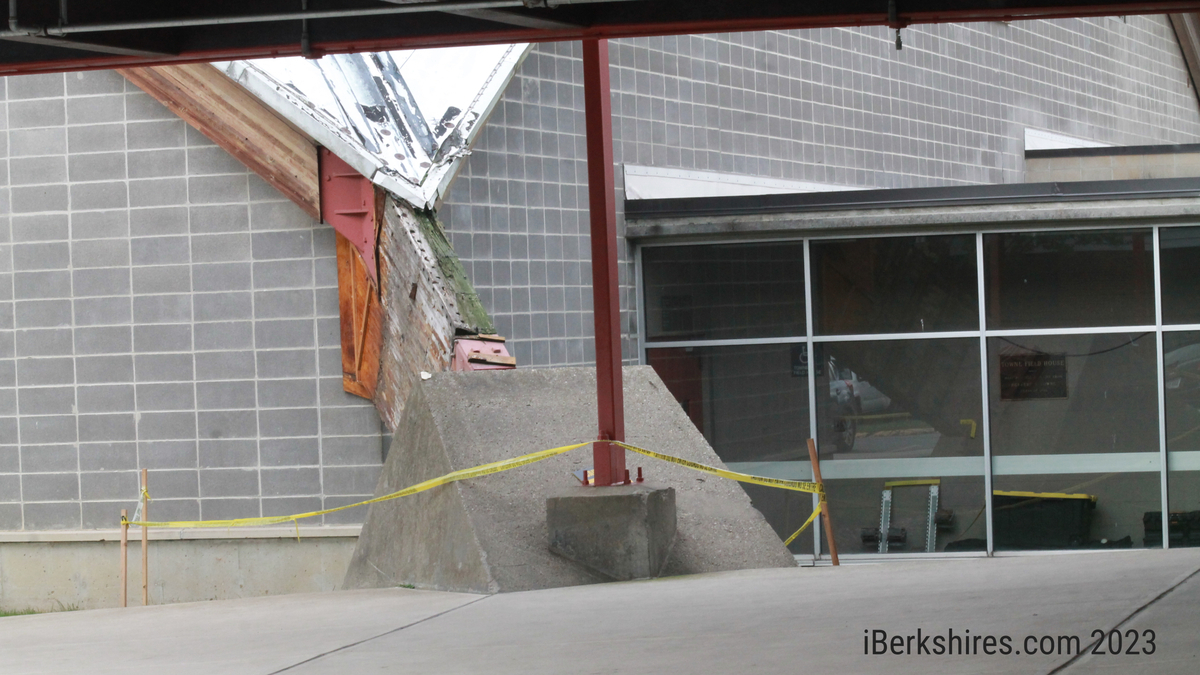
Towne Field House, home to the college's indoor track and field team, pre-season practices for spring sports and informal recreation, was closed in March when it was deemed to be structurally unstable.
The closure came a few months after the public unveiling of a comprehensive strategic plan for the Williams campus. That plan included, among other things, replacement of the field house with a new recreation facility.
On Monday afternoon, a college spokesperson explained that the $15 million from Hield and the Minnesota-based WEM Foundation will both help the college pay for a temporary replacement for Towne and support the effort to create a permanent solution on the south end of campus, across Latham Street from Weston Field.
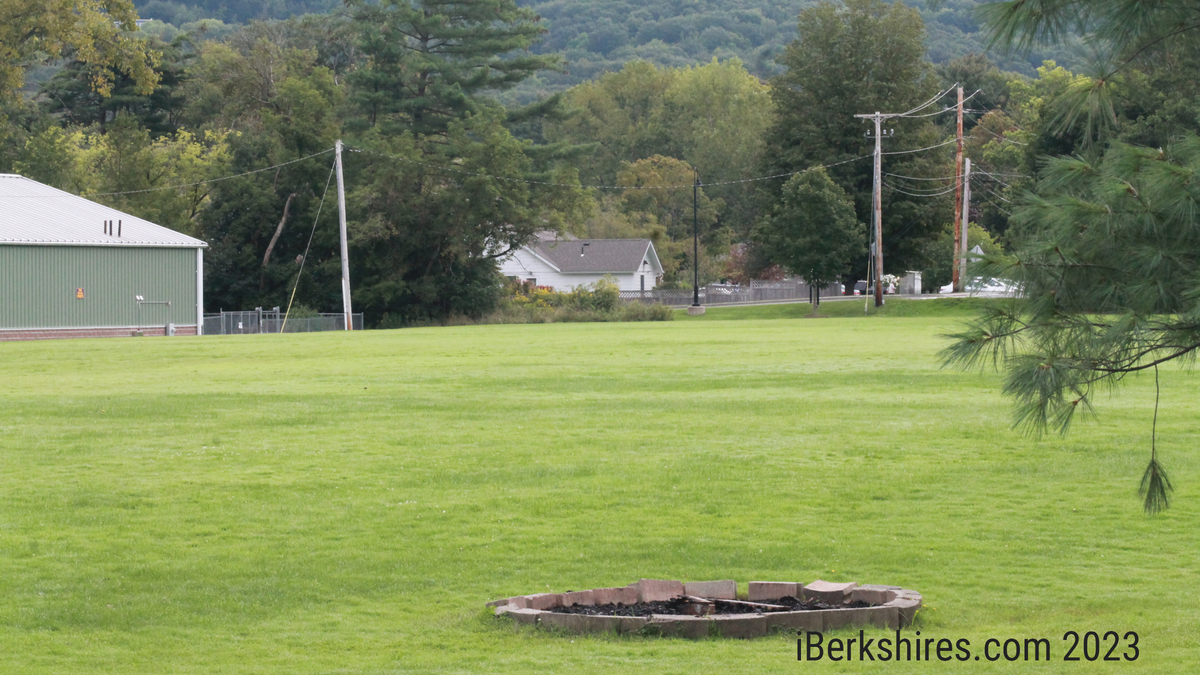
Jim Reische wrote in an email that the donation will help build the planned facility on what is currently green space between the college tennis courts and facilities barn, do a site planning study for the current area around Towne, Lansing Chapman Rink and the facilities service building on Latham and, eventually, construct new athletics and wellness complex on Latham Street.
The college plans to install a pre-engineered metal building on the site near the tennis courts. It will include an indoor track and will accommodate both practices and competitions when completed, Reische said. The current estimate puts the footprint of the temporary facility at 54,700 square feet.
"The new Multipurpose Recreation Facility is intended as a temporary replacement for the field house," Reische wrote. "'Temporary' in this case could mean a number of years. Once the new, permanent field house is built, we'd then decide what to do with the temporary facility."
Reische said the college will not have the temporary facility in place in time for the 2023-24 winter sports season.
"We'll have to find alternate venues for at least this academic year," he said.
The college has not publicly discussed a timeline for the demolition of Town Field House.
Tags: Williams College,