Pittsfield Spent 30% of ARPA Funds By Second Quarter
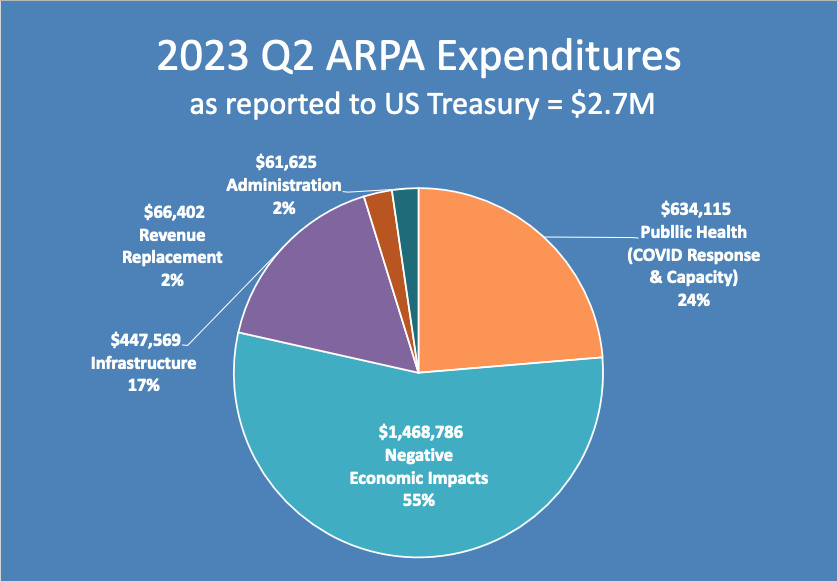
PITTSFIELD, Mass. — The city expended $2.7 million in American Rescue Plan Act monies in the second quarter of 2023 with over half spent on addressing negative economic impacts of COVID-19.
Pittsfield received the funds nearly two years ago and has expended more than $12 million of the nearly $41 million award.
"Through the end of June, we have reported a total of $12,400,000 in funds of use, which represents about 30 percent of our overall award today. Again, remember we can spend this money through the end of calendar year 2026," ARPA co-manager Deanna Ruffer reported to the City Council last week.
"We have a total of 69 approved projects at this time, 52 of which have withdrawn some portion of their funding award by the end of June, almost 75 percent of them, and we expect the other 25 percent to come on here in the next couple of quarters."
Of the $1.4 million, or 55 percent, spent addressing negative economic impacts during the second quarter, more than $600,000 went toward sidewalk improvements in the Morningside, Westside, and downtown neighborhoods.
More than $634,000 was spent on public health with $466,000 funding HVAC improvements at Pittsfield High School and more than $447,000 was spent on infrastructure.
"[Commissioner of Public Services and Utilities Ricardo Morales] has been making good use of the ARPA funds and for this quarter, most of the expenditures were related to the Ashley Treatment Facility and the Cleveland Water Treatment Plant," Ruffer said.
The project managers noticed that there was a drop in spending from the first quarter of the year, which totaled $4.4 million, and Ruffer attributed some of this to the $500,000 disbursed to the At Home in Pittsfield program and the Affordable Housing Trust fund. In the coming quarters, the city expects to see between $2 million and $4 million spent.
There have been 37 grant agreements executed with community partners totaling $8.8 million.
"As of June 30 33 percent of those funds have already been expended,"ARPA Co-Manager Gina Armstrong reported.
"So it just shows you how our organizations have really pivoted, built capacity, coordinated to implement the grant-funded activities as projected and that is a total of $2.9 million of funds that were dispersed."
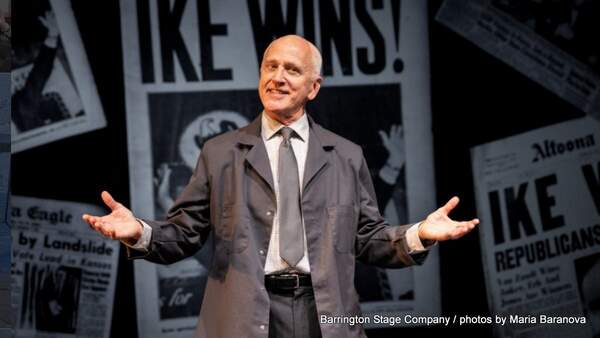
Five different organizations have completed capital projects: the Pittsfield YMCA's expanded child care services, the Barrington Stage Company's upgraded HVAC improvements, the South Community Food Pantry's capacity building and restructuring operations with refrigerator and freezer units, Goodwill's roof repairs on its Tyler Street facility, and roof improvements to the Berkshire Dream Center.
Ruffer and Armstrong have conducted 24 site visits in the last year since the funded programs were implemented.
"That is always something we look forward to doing," Armstrong said, explaining that the team meets with staff and hears about what is going well and what the challenges are.
This also allows them to gather information and build relationships with community partners.
"Also very exciting this quarter is all the work that's being done to raise public awareness about the impacts of ARPA-funded projects," Armstrong added.
A consultant was brought on to the ARPA team to conduct interviews with community partners to educate the public on the impacts of the funds. There are four profiles published on the city website and a couple more in the works.
The Berkshire Athenaeum received more than $176,000 for a library inventory control project that modernized its infrastructure for the first time since opening in the 1970s.
Every item in the circulating collection was touched and re-processed as part of the project to create a self-check and touch-free inventory control system that allows staff to use a wand to check shelves.
Some $123,000 in ARPA funds were used to make a bid-ready design for a sewer line that runs from Second Street to Fourth Street via Pleasant, crosses over to Cherry and then Lincoln before connecting at Fourth Street.
The project will be bid this month with $2.5 million secured under the city's Capital Improvement Plan.
It was announced that Ruffer will retire from her role after serving the city for decades. Before working in the ARPA team, she was the director of community development.
Mayor Linda Tyer thanked her for her years of service to the city in many capacities and said she should be proud of all her accomplishments.
Tags: ARPA,