Dalton Residents Emphasize Need for Better Communication
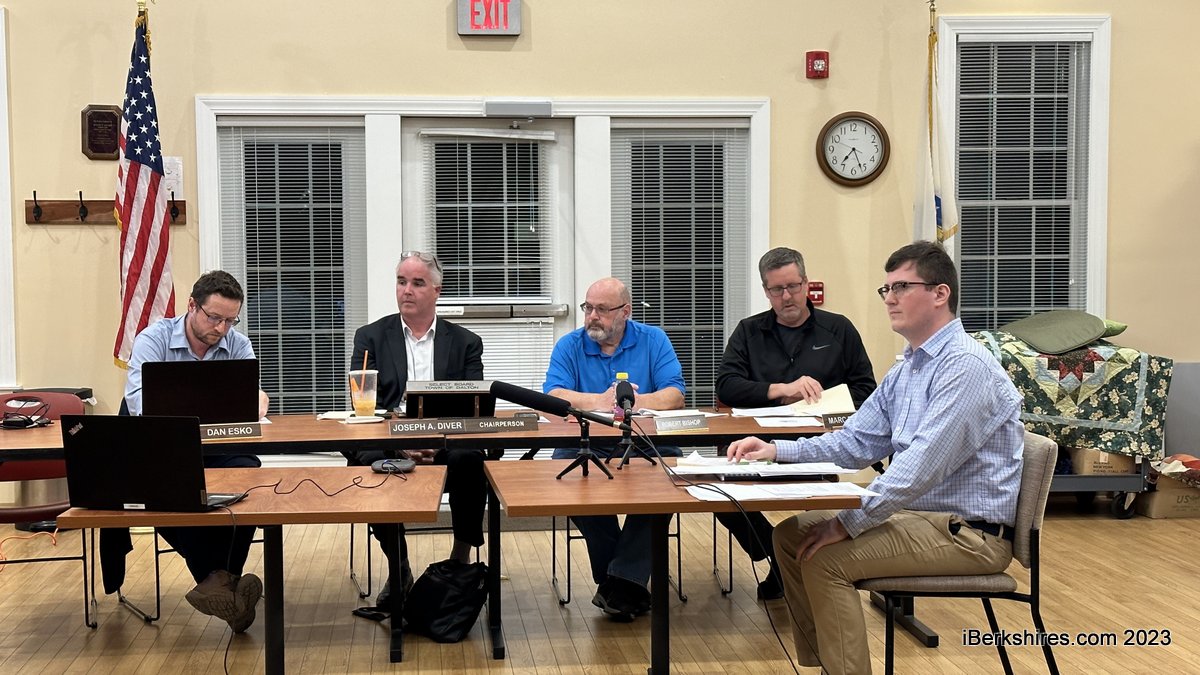
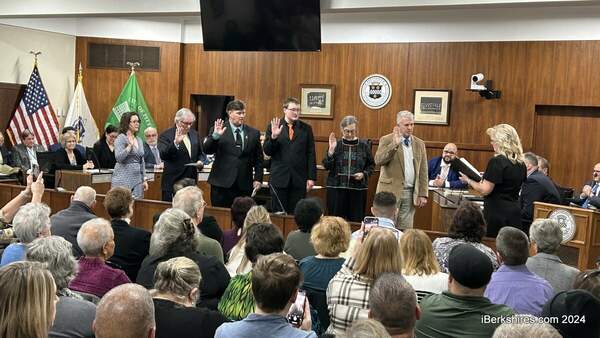
The session was part of a review of the 2016 master plan's goals and how it aligns to changes in the community over the past seven years.
The three-hour meeting was held in an effort to review the current status of the goals set in the 2016 master plan and to determine how the town can improve it to better serve its evolving community.
A conversation between the residents and the Select Board regarding the plan has not been done before, Chair Joseph Diver said.
"This is a new thing for this town and any town that doesn't do this, they should because I learned a ton tonight," Diver said in a followup conversation.
"And just by listening to the presentations, and certainly the residents who were here that participated, were very valuable comments and insights."
The common consensus from the meeting was that the town has achieved a lot of its goal since establishing the plan but there is still a lot more work to be done.
The plan is made up of 186 action steps across nine chapters, Town Planner Janko Tomasic said.
Each chapter established goals for issues surrounding economy, infrastructure, housing, public services, transportation, land use, open space and recreation, and natural and cultural resources.
The town has changed over the years because of growth and industry changes, Select Board member Dan Esko said.
"Dalton was dependent on Crane & Co. as a mill town for so many years and still does to some extent, but it's not the center necessarily of everything that is happening," he said, adding that the town's population outgrew what Crane could employ and its business has scaled down.
With these changes the town needs to review what Dalton has to offer including the area's quality of living, natural beauty, current and future local businesses, and a "top-notch education," Diver said.
Tomasic agreed with Diver, adding that the area's historical significance adds to the qualities the town has to offer.
The next steps of the master plan will be to better define metrics, costs and the needs to address high-priority action steps, he said in a followup conversation, in addition to reviewing and identifying what will be the most feasible and practical steps given the status of the economy, general facts of the area, and what they will be able to accomplish given the time and resources they have available.
The town is trying to actively engage the master plan and use it as a guide for boards and committees when making decisions, Diver said.
Issues taking up a large chunk of the meeting discussion was surrounding communication, town sidewalks, roads, and the town website.
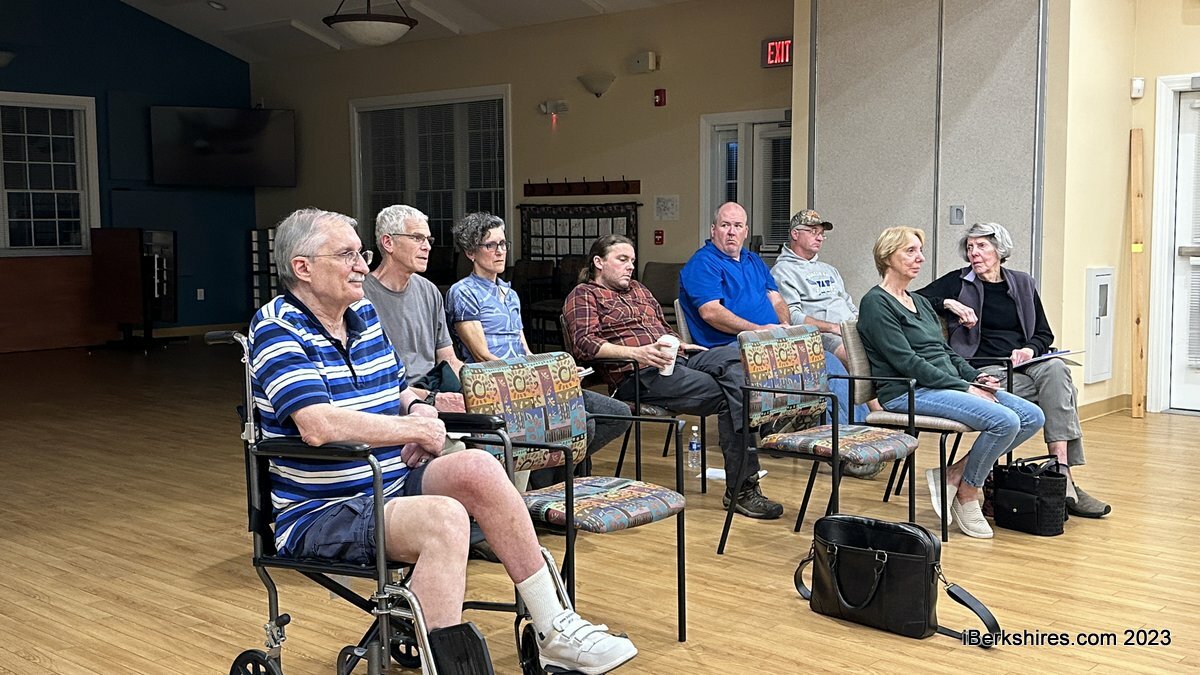
Residents in the audience urged the need for better communication between local government and residents and between boards and committees.
The town is looking for ways to keep its residents informed utilizing many mediums including email, texts or newsletters, Diver said.
Officials are also trying to establish a "Town Academy" so residents can attend a forum to learn the functions of the town and how all of the departments work, Town Manager Tom Hutcheson said.
Residents also expressed the great need for a better website that will provide and improve the accessibility of education on what is happening within community and resources available to them.
The current website is behind compared to other towns like Windsor and Otis, resident Cheryl Rose said.
During the town meeting, voters approved improving the town website, Diver said. The town is in the process of looking at contracts from different companies to see what they have to offer and are reviewing how they want to improve the site to make information more accessible.
It was also largely agreed that many of the sidewalks and roads are in need of repair.
Resident David Wasielewski said the town should plan out years in advance how much it needs to allocate to make these repairs based on the average life expectancy of the roads and sidewalks.
Planning out which roads and sidewalks to repair a few years in advance is difficult to strategize because it is unknown what condition it will be in at that time, Highway Superintendent Edward "Bud" Hall.
For example, two years ago the condition of Dalton Division Road was "pretty decent" but worsened in February and became a top priority, he said.
The street scan program has been a game changer in regards to planning what roads need to be repaired but even with a best made plan, other roads can topple over and become a priority forcing the need to reallocate resources, Esko said.
Also brought up during the discussion was the town's need to encourage recycling. The board voted to dissolve the waste management recycling committee after joining the Northern Berkshire Solid Waste Management District.
There are very enthusiastic residents who would be interested in volunteering to spread awareness of the recycling opportunities in Dalton, Rose said. The town needs to consider utilizing the residents as a resource.
She questioned whether the town should consider reestablishing the waste management recycling committee so that these residents can come together to highlight these resources.
"I don't want to put this on [Hall,] but there are citizens who are interested in our town being better about recycling and reducing our solid waste, which actually costs us less if we can reduce our solid waste but I don't hear about or see any particular efforts in this town," Rose said.
The transfer station did recently invest in a universal waste shed using funds it received from a Recycling Dividends Program grant in the amount of $5,000.
The station also offers mattress recycling and textiles, Diver added.
Another thing that would be beneficial to the community, Rose said, is bringing back the proposed hauler bylaw that would require single pricing haulers to include recycling.
The proposed hauler bylaw was passed four years ago but was sidelined because of educational issues, lack of resources, and then the pandemic, Diver said.
Tags: master plan,