Senate Committee Holds Hearing on Utility Costs
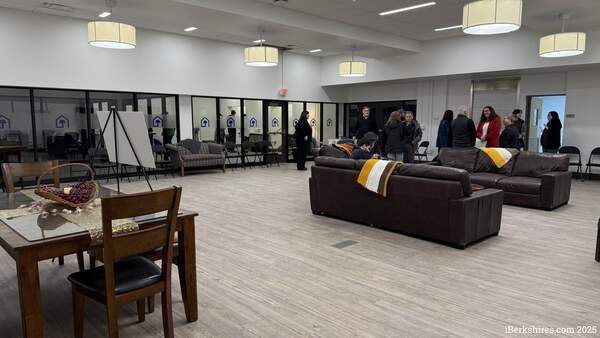
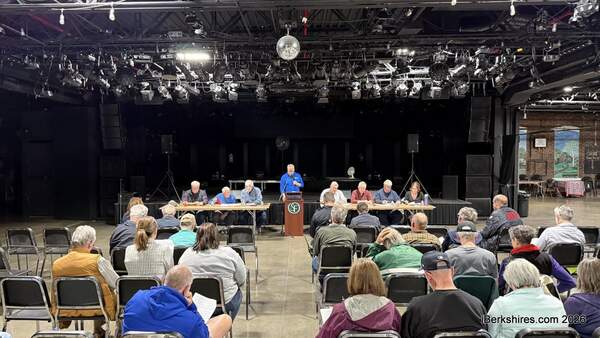
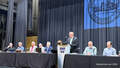
PITTSFIELD, Mass. — Senate members of the Committee on Telecommunications, Utilities and Energy are holding a special oversight hearing on Friday, Dec. 1, at 10:30 a.m. at the Berkshire Innovation Center in Pittsfield.
Officials say gas and electric rates typically surging higher in Western Massachusetts than any other part of the state. The intent of this special legislative hearing is to address the rate increases on electricity, gas and oil.
According to a press release, recent data shows that utility costs in Massachusetts have skyrocketed, with electricity rates increasing by an average of 12 percent and natural gas prices spiking by 15 percent in the last two years alone.
Larger utilities have increased even more. For example, in November 2022, Eversource sought a 43 percent increase in its electric rates, which went into effect in January of this year. This November, the Boston-based company's natural gas rates also rose 38 percent for its Massachusetts customers, according to the Senate committee, which in turn means an increase of $86 per bill for the average user.
However, an Eversource spokesperson said residential customers should actually see lower natural gas bills compared to last winter of $5 to $21 per month, depending on their energy usage. This is based on the gas supply rates filed with the Massachusetts Department of Public Utilities.
Among those invited to provide testimony:
- The Executive Office of Energy and Environmental Affairs
- The Department of Energy Resources
- The Department of Public Utilities
- The Office of the Attorney General
- Eversource
- National Grid
- Berkshire Gas
"In the Berkshires there is often a feeling that we are left out of the decision making process and that ourvoices are not heard equally compared to the rest of Massachusetts," said state Sen. Paul Mark. "I am grateful to Chair [Michael] Barrett and my colleagues for agreeing to hold this important oversight hearing in Pittsfield so that our unique needs can get the recognition and attention they deserve."
Mark added that this legislative hearing serves as a critical step in addressing the affordability and reliability of utility services within the state, ensuring that residents can meet their basic needs without suffering from unsustainable price hikes.
Tags: energy rates,