Dalton Discusses Options for Cable Contract Negotiations
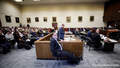
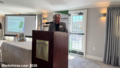
DALTON, Mass. — The Cable Advisory Commission held its first meeting since 2019 on Monday night.
The commission was re-established to negotiate a new contract with Charter Communications.
There are four voting members on the commission, three of whom are also on the Dalton Community Cable Association's board.
The commission is weighing its options for obtaining legal counsel, the needs to be negotiated, and need for volunteers.
The last time the town had a contract was in 1997 with Time Warner Cable, which was purchased by Spectrum in 2016.
The commission plans to negotiate for a share of gross revenue, capital funds, funding for fiber optic cables, which will enhance its connections, and updated equipment needed to handle this upgrade.
Commissioner Richard White said, to his knowledge, by law the town should have three stations but it currently only has one.
Since a majority of the members on the commission are on the Cable Association's board, they should also be aware of what community members want from the negotiations, White said.
To help with the negotiation process, the commission agreed to have attorney William Solomon attend the January meeting to give a presentation and hear the commission's requests for the new contract.
Based on recent communications with Solomon, Chair Rachel Branch said he was eager to aid the town in the negotiation process and had offered to come to Monday night's meeting.
Branch said she had informed him to hold off on attending the meeting until she discussed it with her fellow commissioners.
Solomon has worked for other cities and towns in Massachusetts on contracts and negotiations for cable contracts. It was unclear how much his services would cost.
Town Manager Thomas Hutcheson contacted the town's counsel, KP Law, and was informed they have an attorney, Bill Hewig, who specializes in cable contracts.
Also discussed during the meeting was the Cable Association's need for volunteers so it can produce more programming.
One potential option that the commission discussed was reintroducing programming with the schools to get students involved. This is something the association did in the past and found that it helped engage and improve the behavior of certain students.
Now that the program is not being offered, the equipment is just sitting idle, White said.
The commissioners added community outreach to a future agenda item so that they can find ways to increase volunteers so more programming can be produced.
Branch was elected as the new chairman during the meeting. Also nominated were Robert Bishop and John Ostresh but they turned it down to avoid conflict of interest. Ostresh is the president and Bishop vice president of the Community Cable Association.
Tags: cable television, contract negotiations, public television,