ServiceNet Acquires Jodi's Flower Farm for Vocational Programming
PITTSFIELD, Mass. — Jodi's Seasonal will have a new life providing meaningful, therapeutic employment to people with intellectual disabilities.
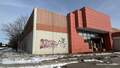
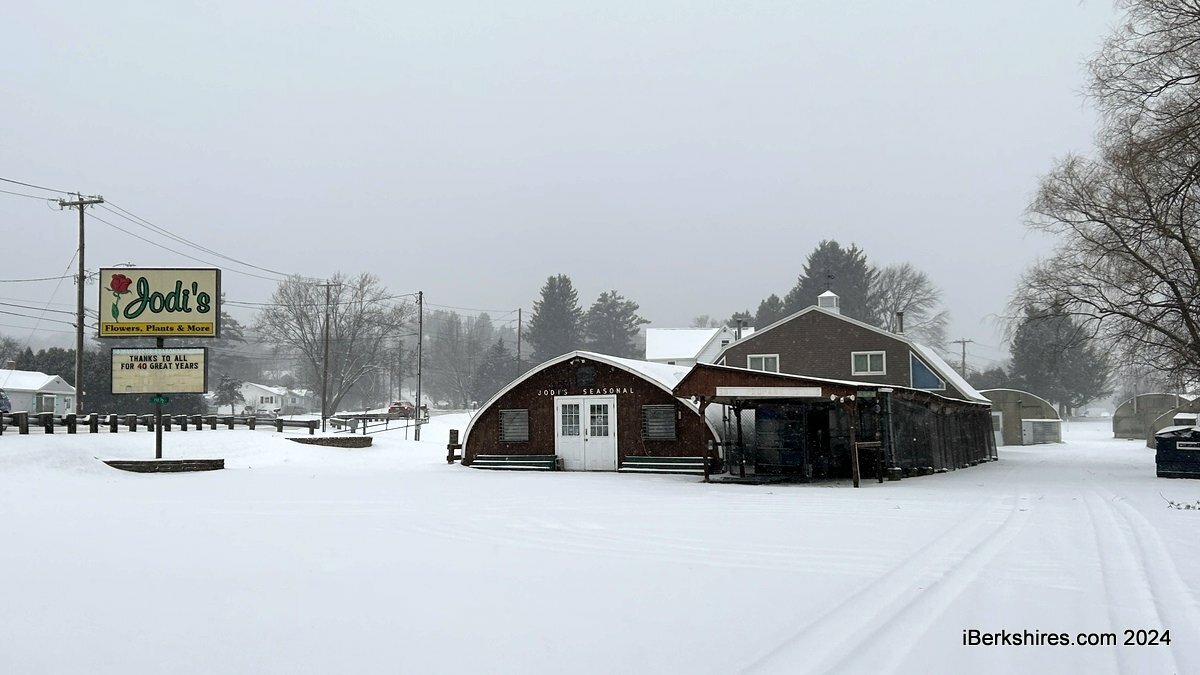
Last week, ServiceNet announced its acquisition of the 16-acre flower farm on Crane Avenue. It will be renamed Prospect Meadow Farm Berkshires, which is a part of the agency's Developmental and Brain Injury Services division.
"We hope that it creates new and exciting opportunities for people with disabilities that are passionate about animals, passionate about the outdoors, passionate about working with their hands," Vice President of Vocational Services Shawn Robinson said.
"We feel like often when it comes to support and employment opportunities, particularly for folks with significant behavioral challenges and other needs, opportunities have been limited."
This is an expansion of ServiceNet's first farm location in Hampshire County. The 18-acre Prospect Meadow Farm opened in Hatfield in 2011 and now employs more than 80 people.
Robinson helped spearhead the farm from day one and explained that the goal is to help participants and families improve their lives. They will work with animals, agricultural production, and shiitake mushroom cultivation in Pittsfield.
"What we go for in our programming is the opportunity to create community while engaged in shared passion and so that's what we're looking forward to providing to the Pittsfield community," he said.
"An opportunity for folks out there with significant disabilities to find something that they can do, that they love, and are able to make some money at while gaining new skills and then hopefully use those skills to better other aspects of their life whether that be finding even a better job in the future or just by being able to have something to be especially proud to share with your family at holiday time about the great work that you do."
This work also shows the wider community just how capable those with intellectual differences are while allowing them to recognize their strengths.
"One of the benefits to the community is when people are able to pop into a farm store that is run by folks with disabilities and they see the incredible items that are available and the productivity and the pride, it's another way of just raising community consciousness about what can be," Vice President of Community Relations Amy Timmins explained.
At the end of 2023, Jodi's owners Dave and Andrea Blessing announced that they had sold the business after 40 years in operation.
"After nearly 40 years of hard work and dedication Dave and Andrea are ready to retire and enjoy the next chapter of life," a Facebook post read. "We would like to thank our customers for your loyalty through the years and have enjoyed getting to know all of you."
ServiceNet is a large, nonprofit human service agency that provides various human services throughout Western Massachusetts. The DBIS program serves nearly 60 individuals in the county and of that, 15 are involved in the vocational day program soon to include the farm and 11 are employed at various community sites.
A soft opening is planned for April after some minor renovations.
In the first year, the goal is to serve around 25 individuals with the farm. The agency has a contract with the Department of Developmental Services for therapeutic vocational training and with local school districts that choose to utilize the program for students with individualized education program plans.
The hope is to also collaborate with Berkshire County schools.
Prospect Meadow Farm Berkshires will have a store with flowers and local goods produced by the Hatfield location's commercial kitchen and various farms throughout Western Mass. The program also delivers produce to residential group homes and shelter-based programs and offers a seasonal farm share.
"They get trained in a variety of different aspects of farming and then they might choose a specialty and whatever they produce is then fed back into sort of our social enterprise business to allow us to be able to pay folks for their work," Robinson said.
An important part of the work is payment — as it allows individuals to build a life for themselves.
Timmins pointed out that the pay contrasts with what some may expect. All farmhands and trainees are paid at least minimum wage and have growth opportunities.
For example, a person can start as a trainee or farmhand and make their way up to a higher-paid job coach, which teaches farming skills to someone else who has a disability.
"We're a little different than sort of the traditional sheltered workshop type sites where maybe you're paid at your level of productivity. We work to get everyone to a satisfactory level of productivity because our hope is that they'll get to a level where they can go and work and support the efforts of other farms in our area, make room for new trainees in our program," Robinson said.
"But while we're working to get folks to that level of productivity, they are all paid at least minimum wage while they work towards that goal and they have opportunities to grow, which is different than a lot of other support employment programs necessarily out there."
He added that there are two clear tracks in the program: committing to helping other people with disabilities grow in that type of work and helping the community as a whole by finding employment elsewhere.
The Hatfield farm has been a great success — especially for those on the autism spectrum who have benefitted tremendously from knowledge, physical aspects, and connection with the outdoors.
"Seeing their work sort of come to fruition can have incredibly beneficial effects for folks and really helps them understand the meaning that they can have in the local food economy, in their community as a whole," Robinson said.
"And the paycheck that comes along with that also provides sort of a lot of meaning for folks."
While the vocational programming started with farming, it has been expanded to carpentry, culinary, and other trade businesses. A couple of years from now, the hope is to have other trade training at Prospect Meadow Farm Berkshires.
Tags: agriculture, human services, therapeutic,