It's Showtime For The Guthrie Center Instrument Lending Library
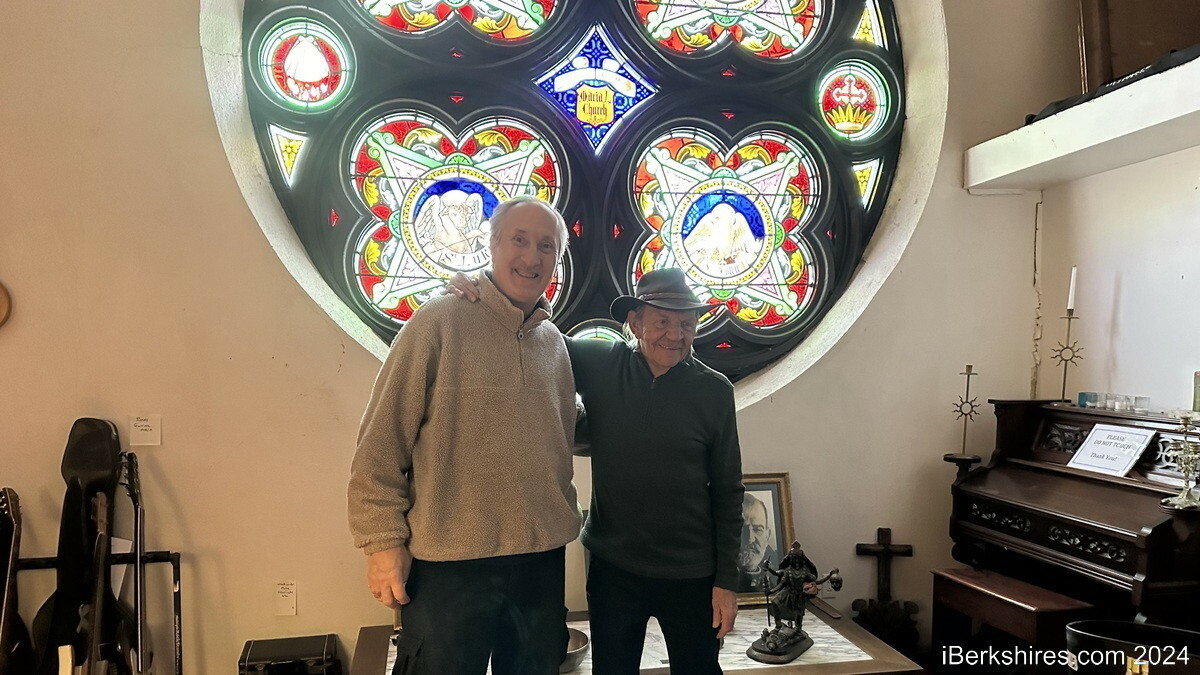
GREAT BARRINGTON, Mass. — George Laye, founder of the instrument loan program at the Guthrie Center, was inspired to create the "Check it Out" musical instrument loan library after taking a stroll down memory lane.
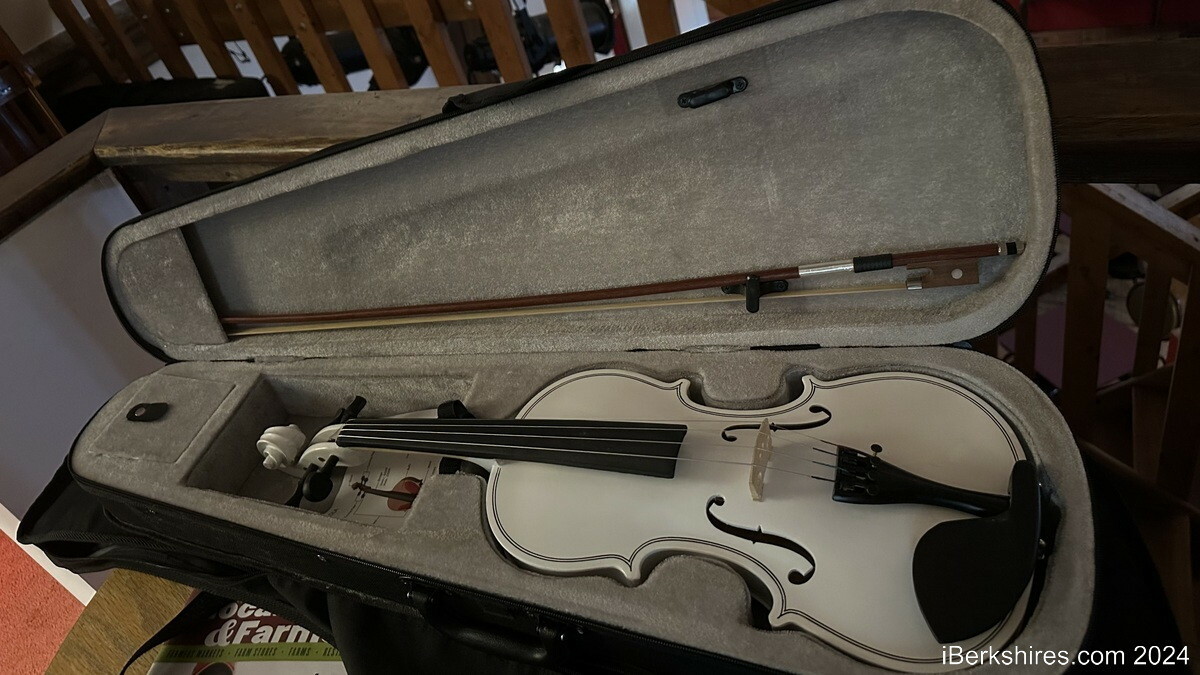
Laye said he was thinking about his mother participating in an orchestra as a young woman, and then he recalled years later discovering her long-forgotten violin in the attic. It occurred to him that there were probably musical instruments in many attics, storing songs meant to be played.
"People buy their children instruments and after a few months, they decide it's not for them," he said. "Eventually, those instruments get packed away and end up in attics and basements."
Believing that "instruments should be played, not displayed," or worse, packed away and forgotten, Laye began thinking about how to get these instruments into the hands of people who would want to play them.
As the former director of the Guthrie Center and now the founding director of Check It Out, Laye is no stranger to helping people and serving the community. He said access to music and instruments often comes secondary as many folks are just trying to get by.
The idea of a musical instrument lending library was hatched as a way for all people to access musical instruments without financial burden.
"People just trying to cover the basics – clothing, shelter, food – they don't usually have access to musical instruments," he said.
Laye started stockpiling instruments. He started getting the word out that he was looking for stringed instruments and percussion instruments. The Guthrie Center had some electric keyboards to add to the mix.
Laye said he felt that he and others at the Guthrie Center had enough knowledge to get these instruments playable. He noted that this expertise did not go as far as wind instruments, but hoped one day to be able to lend woodwind and brass instruments.
Laye said In 2019 there were enough instruments, and he was ready to start lending. But just as the word started to get out, COVID started shutting things down. A few informal loans occurred, but the library was put on hold during the pandemic.
Although there was not a grand opening as the Guthrie Center would have wanted, the sparse lending during the pandemic ended up being incredibly valuable, Laye said.
During the pandemic, a man borrowed a harp for his daughter who wanted to learn to play. The daughter checked in with Laye every month, describing her progress with the harp. Ultimately, they retained the harp for about two years, at which time the man purchased one for his daughter.
"That harp was in beautiful condition when they borrowed it but they returned it in even better condition," said Laye.
And that was exactly the sort of borrower Laye expected: parents could borrow an instrument for their children to determine if it was the right instrument for them. Laye said the program offers them the opportunity to take a few months to decide and then purchase their own.
Equally important, if they decided it wasn't something they wanted to stick with, the instrument doesn't get stashed away somewhere.
A little more than half of the instruments that have been donated have come from attics, basements and storage rooms. Others have been purchased at yard sales and thrift shops at bargain prices and then donated. Some are brand new.
"We have uncrated a brand-new electric guitar, electric bass and electric amp that were donated," Laye said.
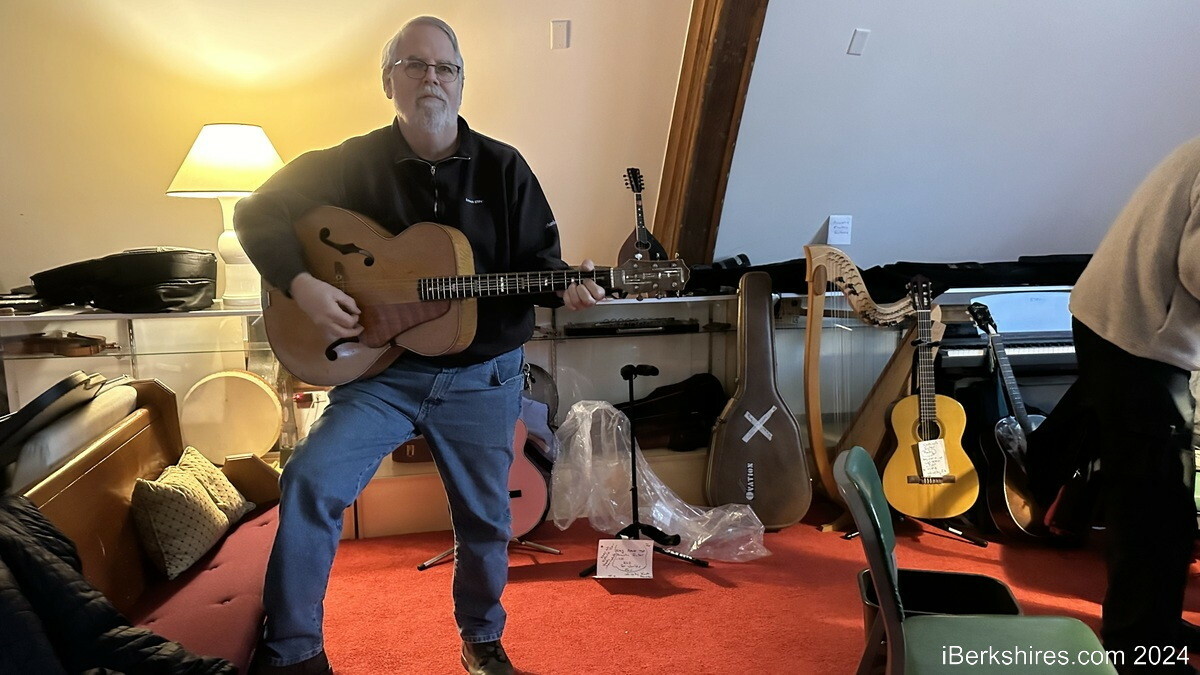
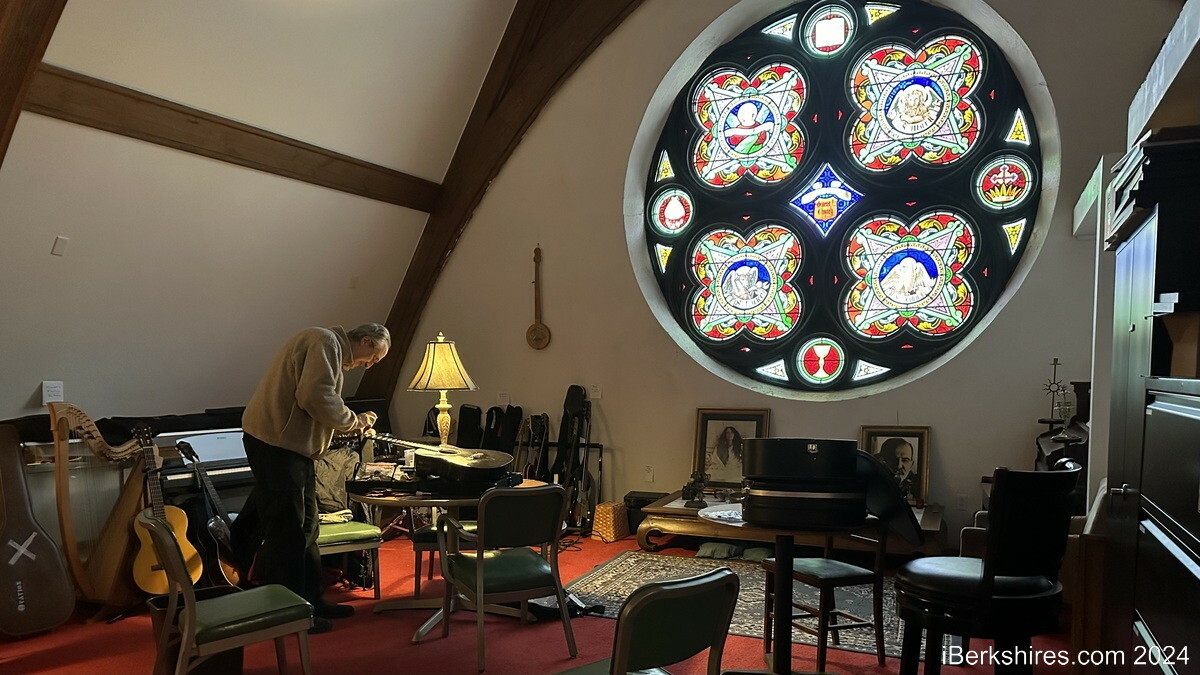
There are now about 100 stringed instruments ready for loan, and more waiting to be restored. The instruments are cataloged by skill level to help match the instruments and borrowers.
Gregory Getner is an amateur luthier and professional musician who makes sure that each instrument is ready to play.
"It took all summer to get these 100 instruments in good working order, stringed and tuned," Laye said, adding that Getner has had help from some local musicians who have volunteered their time and expertise.
He said the loaning had begun informally last year with people they knew. Not only was the program aimed at new musicians, but more experienced musicians who needed some gear.
He said a musician might come to a hootenanny at the center without an instrument or they might bring a guitar but decide they want to play mandolin that day.
The early program was also a benefit to working musicians. Often instruments need repairs which can mean lengthy stays in the shop. This leaves many musicians without an instrument, which can be troublesome if a gig is fast approaching.
This very scenario led to an informal loan program before the official opening of the library.
Both Laye and Getner expected it would be parents accessing instruments for their children that would be the biggest demographic using the musical instrument lending library once it opened. In the first official week open, though, that hasn't been the case.
A half dozen or so instruments have been borrowed since the Check It Out grand opening last week. All of them have been borrowed by adults looking to learn how to play or get back into playing.
"This area doesn't have all of the music stores that it used to, making it harder to get started," speculated Getner.
Laye is busy writing grant proposals and seeking funding to be able to provide free lessons with the instruments.
"That way we can pay local musicians to provide lessons to the borrowers. Musicians can always use a little extra money, right? And who better to learn from," he said.
Also, donations of all kinds are welcome. Strings are needed for all stringed instruments as well. Cash donations are welcome as are volunteers.
"Some instruments may not be playable, but there could be parts of it that are vital to making another instrument on hand being usable," Getner explained.
Laye added that he has plans for an art installation with those instruments or parts that cannot be used.
Laye said he hopes other organizations follow the Guthrie Center and establish similar programs.
"We will be the model," he said. "I hope every church across the country, every 501 c3, can use our model."
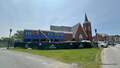
Check It Out, the musical instrument lending library is located inside the Guthrie Center, 2 Van Deusenville Road, Great Barrington. It is open every Wednesday from 3:00 – 6:00 PM. It is also open the first Sunday of each month from 2:00 to 5:00 PM and the second Tuesday of each month from 3:00 to 6:00 PM.
The policy is that a loan is for 30 days, but a loan can be renewed multiple times as long as no one else requests the same instrument.
For more information visit guthriecenter.org or call 413-528-1955.
Tags: instrument,