Norman Rockwell Museum Opens Two New Exhibits
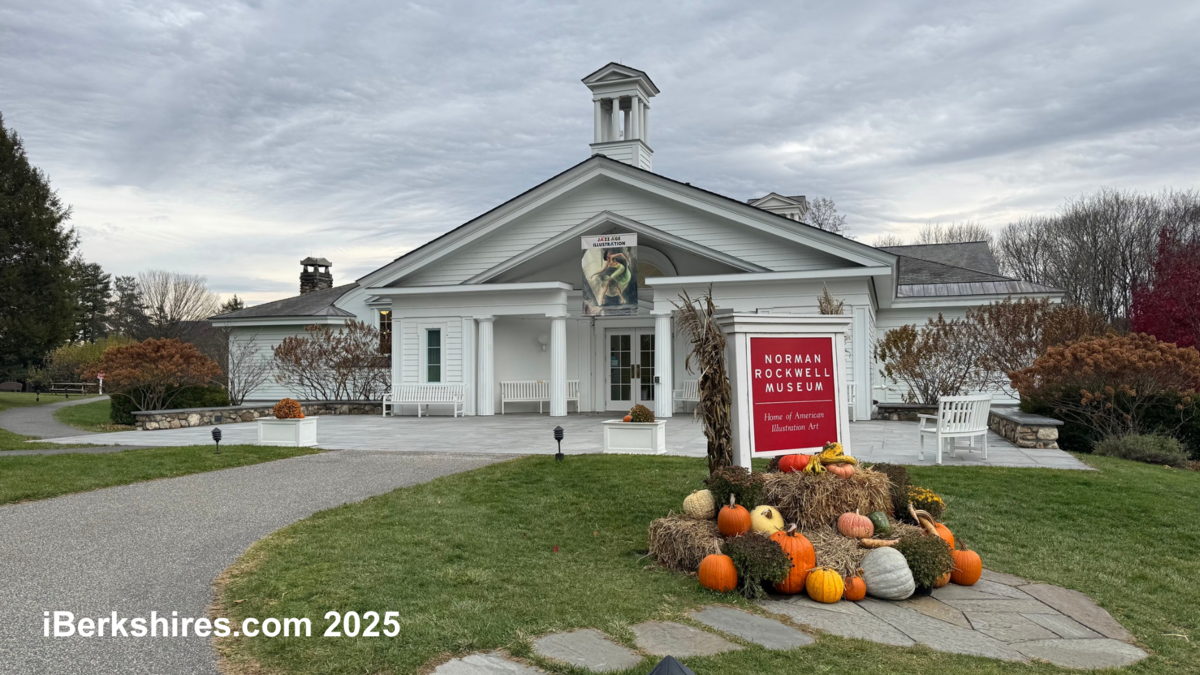
STOCKBRIDGE, Mass. – The Norman Rockwell Museum will showcase two new collections on Saturday: one highlighting a local artist and the other exploring publications from the Jazz Age.
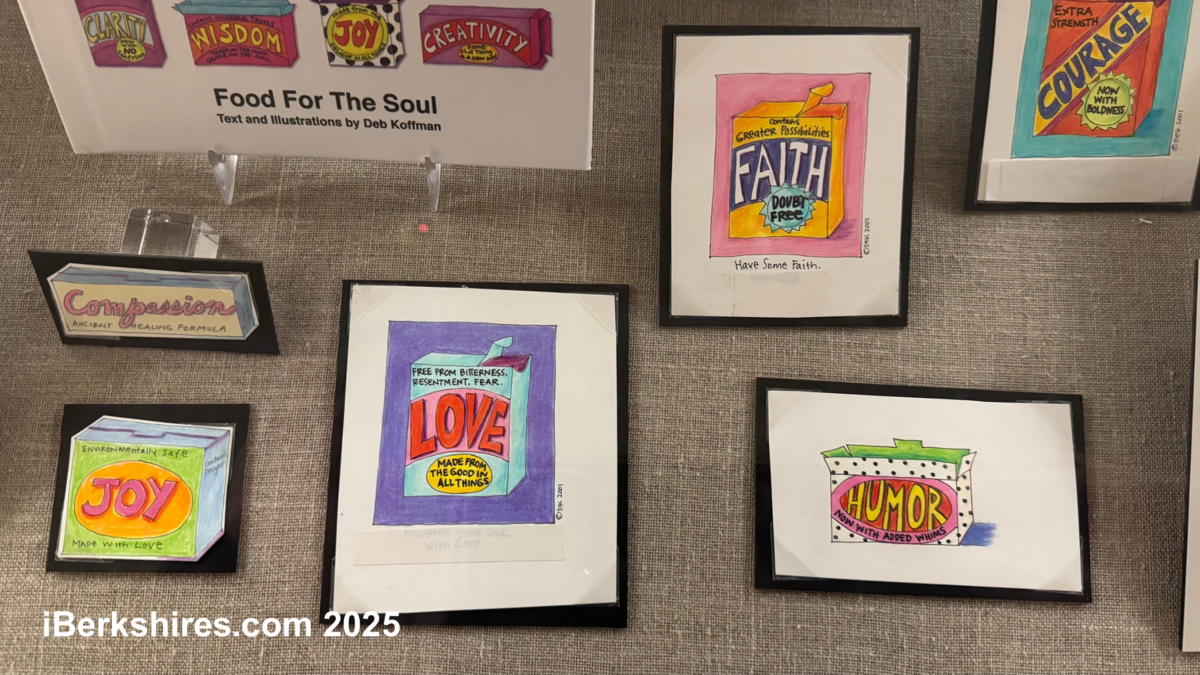
The exhibit "Shine a Light: The Art and Life of Deb Koffman" shows a collection of work by the local artist and author Deb Koffman
Through June 6, 2026 visitors will be able to view Koffman’s work donated by the Koffman family.
"She was not only a graphic artist...but she also was a mindfulness advocate, and worked a lot with some of the local institutions like Kripalu and others that focused on self care," said Russell Lord, chief of curatorial affairs.
Lord took over the exhibit in 2021 and said Koffman’s work was an advocate for kindness and compassion.
Koffman's work helped people overcome common challenges that face everyone like anxiety or depression, he said.
What is wonderful about her work is that, even though it is expressive of the issues she has faced, the themes she explores are universal, Lord said.
"I feel like the work both addresses the challenges that she faced, and therefore we all face, but she also provides tools to overcome them, recommendations of slowing down thinking about what you're doing, different ways to think about things," he said.
The show has over 300 works from Koffman and the museum plans to continue using her work throughout the museum going forward.
"Her work was about not just healing herself, but healing the community," Lord said.
Koffman moved to the Berkshires in 1988 and passed away in 2021. She had a gallery in Housatonic that is still used today to foster exhibitions and community events.
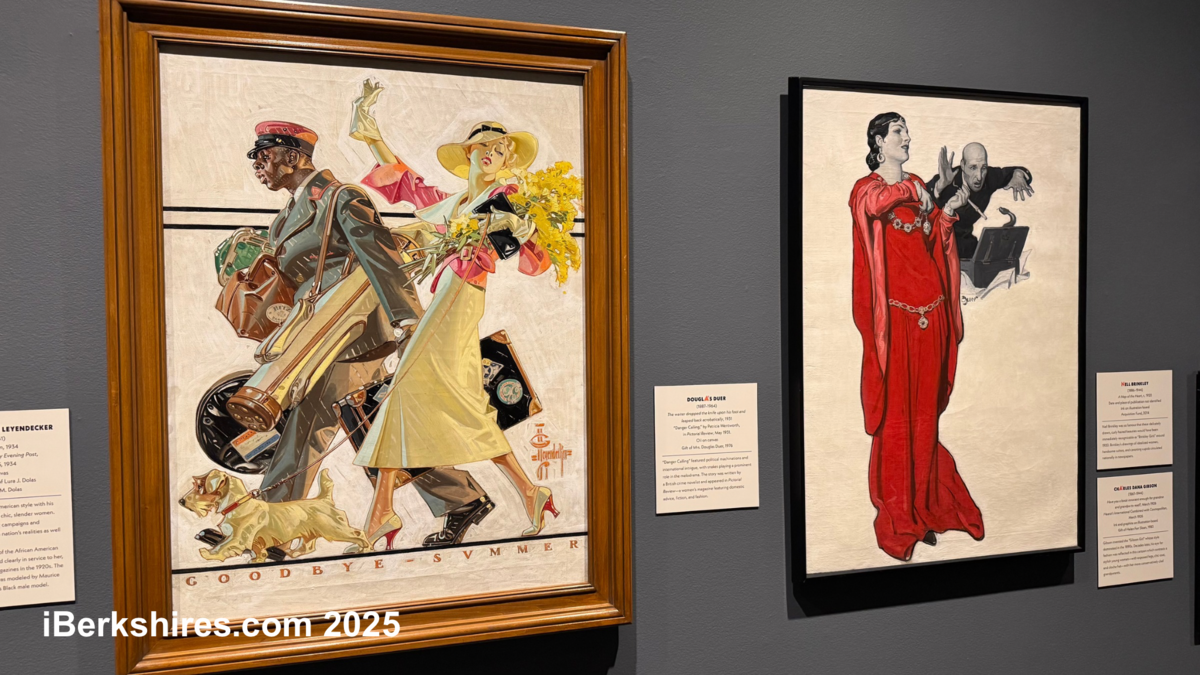
The exhibit "Jazz Age Illustration" is also bringing new works into the museum featuring a new collection that explores the Jazz Age of publications, between 1919 until 1942.
There are 147 objects in the collection that visitors will be able to admire until April 6, 2026.
"It was obviously a period of tremendous release after the First World War. It was the flowering of the arts, in illustration, in music, in dance performance, and so many areas that really revolutionized what we think about as all of these art forms," said Stephanie Plunkett, chief curator.
"And of course, jazz music was at the heart of it all."
The collection came from the Delaware Art Museum and was curated by Heather Coyle, the curator of American art at the Delaware Art Museum.
The museum worked closely with the Delaware Art Museum whom they've had a relationship with for a long time. The exhibit was shown at the Delaware Art Museum last year.
"One of the things that we were talking about this morning was the diversity of styles that you'll see in this exhibition," Coyle said.
"This was a moment where there was a huge blossoming of illustrated art and lots of different kinds of magazines aimed at different kinds of audiences. So, people were working in very modernist, very Art Deco styles. Other people are working in this very rockwellian realism, all of those styles are coexisting."
Coyle had started working on this collection in 2018. There were years of research and collecting she had to do in order to show the exhibit.
"I was talking to Stephanie as early as 2020. We were both working a lot of Harlem Renaissance material at the time, and just trying to find the objects," Coyle said.
"Then the show opened at the Delaware Art Museum a year ago, and then this is its only other venue. I'm so excited it could travel and be seen by more audiences."
Many of the exhibit's themes focus on modern women, entertainment, dance, and much more. It is arranged thematically and offers some of Rockwell’s work but also includes audio, visual, and archival imagery.
Tags: jazz, local art, local author, norman rockwell museum,