Clarksburg Select Board OKs Municipal Proposals, Paint Stewardship Bill
CLARKSBURG, Mass. — The Select Board last week endorsed several proposals by the Small Town Administrators of Massachusetts and a paint stewardship program making its way through the Legislature.
STAM is part of the Massachusetts Municipal Association, which shares many of its priorities.
"We're hoping to lobby, the Legislature for legislation promoting the the agenda of small and rural communities," said Town Administrator Carl McKinney, a member of STAM. "So like the Chapter 90 formula, which gives us currently about $75,000 per year for road repairs, that we adjust it in favor of rural communities."
The formula for the $200 million in annual state Chapter 90 road funds is based on mileage, employment and income. This leaves small communities at a disadvantage.
"We're looking to advocate for $330 million in the road program. And this also is for bridges and they're asking for water systems," said McKinney.
Another major proposal is the creation of a municipal building authority, similar to the Massachusetts School Building Authority, to aid towns and cities in renovating and replacing outdated buildings.
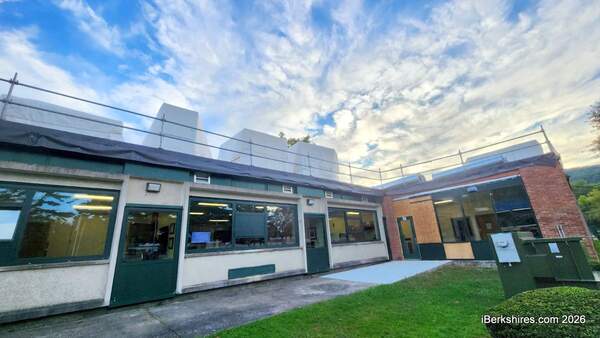
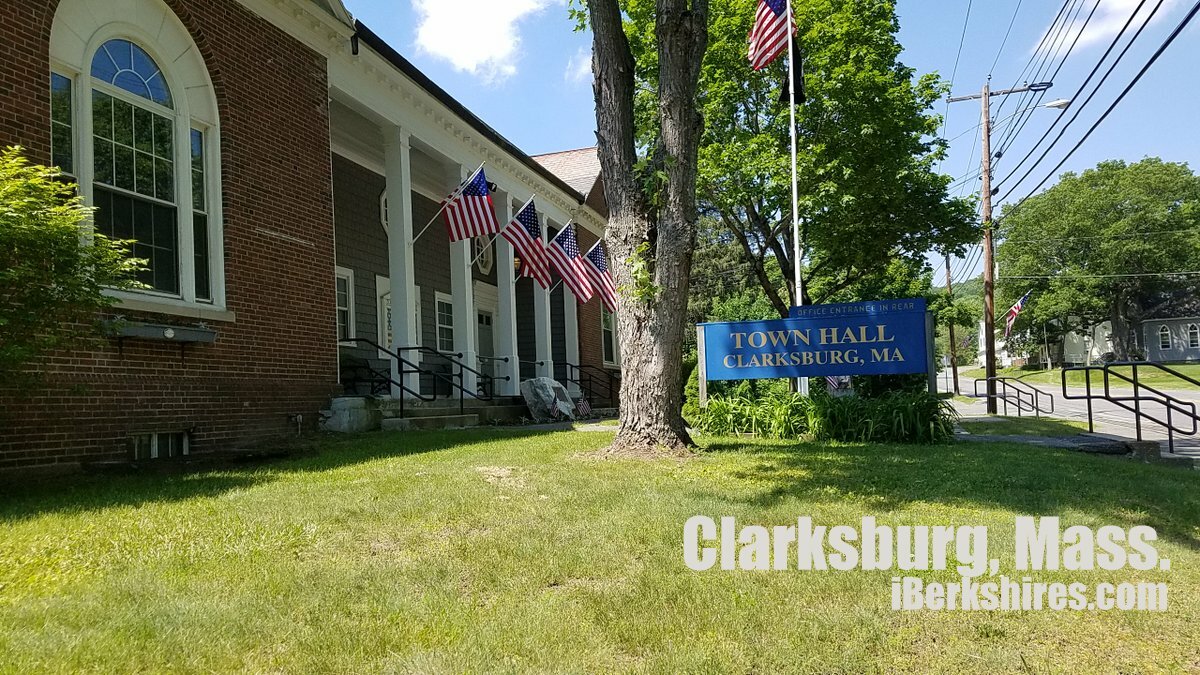
"Nearly nearly half the buildings in Massachusetts are older and we are no exception to that rule," said McKinney, in the meeting room at the 1938 Town Hall. "We would also be looking for a state assistance to help the smaller communities be able to maintain their buildings in a manner that is consistent with their mandates."
The third proposal would raise procurement minimums and address prevailing wage.
"You have to do good business practices up to $9,999. Then you'd have to seek written bids from $10,000 to $49,999, and anything over that has to go into the Central Register," he said. "They're looking to increase the dollar thresholds for those placements in those tiers of public procurement, understanding that prices postpandemic have increased incredibly creating a lot of pressure on procurement whereby we're doing a lot more in Central Register."
Project costs are also high because of prevailing wages that must be paid for any municipal project worth more than $1,000. This can change annually and 2022 wages were, for example, $81.67 an hour for carpenters and $89.90 for electricians.
The wages are high because they are based on the average wages in the Boston area.
"I do understand some of the intent of that. But the problem that it does create is that we are part of the standard metropolitan statistical area," McKinney said. "Folks in Boston don't have adequate data for Berkshire County, and so then they tag us into Boston. So then, therefore, you get huge hourly rates. ...
"It have an upward pressure on doing anything — whether it's painting, or papering or flooring, or contracting road services — it drives our cost structure up significantly."
And McKinney also added in his favorite beef: in adequate state payments in lieu of taxes. He pointed out, as he has frequently, that Clarksburg has the smallest landmass and half of that is owned by the state.
"They get us a whole lot of nothing, just $30,000 a year for half of our town. And so we lose a significant tax base as a result of that and we should be made whole," he said, adding he estimated the town was losing $264,000 a year because land can't be developed.
Finally, he's hoping for the state to reduce the burdens on applying for state funding and grants by acknowledging many towns don't have dedicated grant writers to navigate the maze of applications.
He's hoping that the new Office of Rural Affairs, lead by former state senator Anne Gobi of Spencer, will help in getting state agencies to understand better the "many, many, many enough issues facing small, modestly funded rural communities."
The board also gave thumbs up to a resolution supporting a paint stewardship program that would require hardware stores and other retail outlets that sell paints to accept them back for disposal.
Thomas Irwin, of Dalton, has been making presentations on the program to towns and cities in the Berkshires. There are four bills currently in the Legislature related to paint recycling.
Some 2.5 million tons of waste is hauled out of state each year at an escalating cost, he said. "Product stewardship, where the products are actually recycled, is an opportunity to get a handle on this kind of burden."
Under a paint stewardship program, the customer would pay a fee of a $1 a gallon at purchase and be able to return unused paint that can be processed and resold. A number of states have already put this program into effect and state residents are already participating.
Irwin found that 60 percent of the paint returned to an Enfield, Conn., store was from Massachusetts and that most people he's interviewed have been willing to sign a petition supporting the legislation.
"I'm one of those who has a basement full of paint," said Select Board member Jeffrey Levanos, asking how he would get rid of it.
"You bring that over to Aubuchon's," Irwin said. "They don't care where you got it, they don't care when you got it. Just as long as it's liquid, as long as it's in the original can with the original label, put it on the counter and they'll say, thank you and out you go."
"That easy?" said Levanos. "Roger that," responded Irwin.
In other business, McKinney reported that the town did not receive an Americans With Disabilities Act grant it had applied for but it did get a technical grant for cybersecurity.
The board also renewed a mutual aid agreement with the Berkshire Law Enforcement Council and the Berkshire Sheriff's Department. Police Chief Michael Williams said the agreement had not changed much but a task force is being created to investigate use-of-force issues for members.
Tags: MMA,