Pittsfield ConCom OKs Zebra Mussel Treatment
PITTSFIELD, Mass. — The Conservation Commission has OKed a zebra mussel pesticide treatment in Onota Lake if the invasive species are confirmed.
On Thursday, the panel approved a notice of intent application for the use of EarthTec QZ within a specified treatment area of the lake.
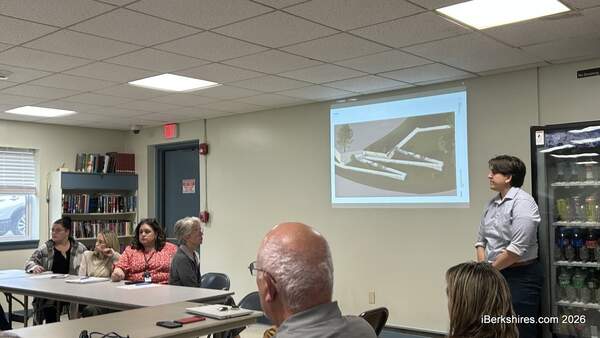
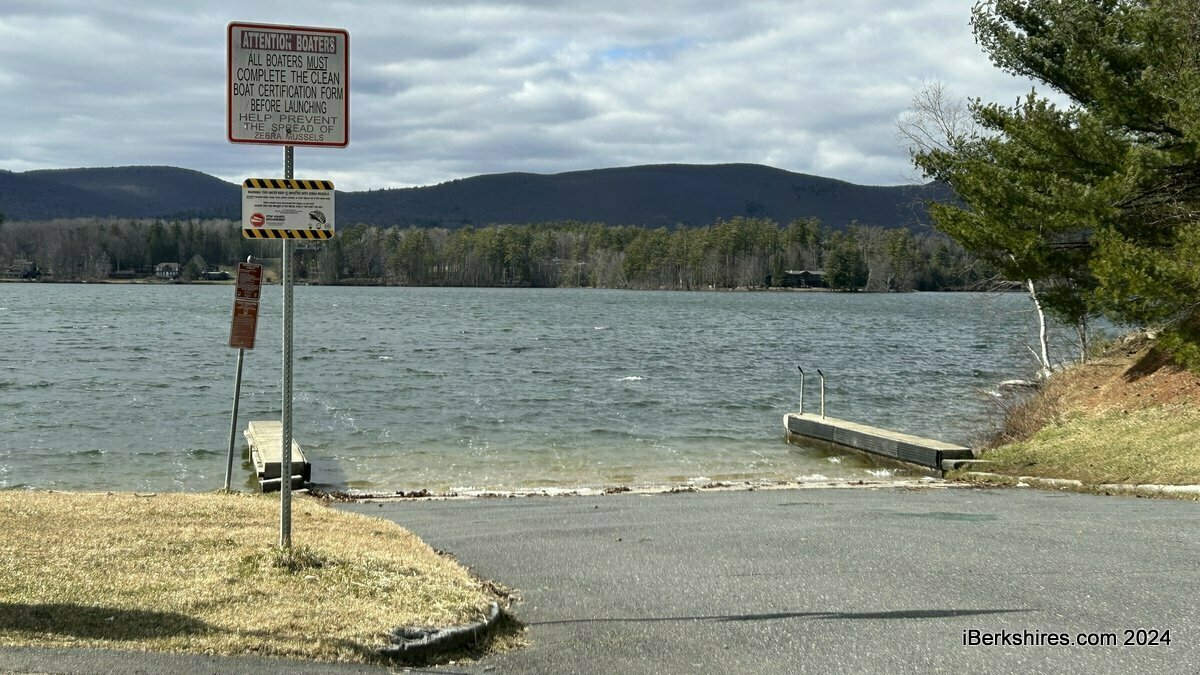
"We're not entirely 100 percent sure that there is an infestation of zebra mussels at Onota Lake. Last September, a water sample was taken and the DNA of zebra mussel was detected in that water sample. This was a water sample taken near the boat ramp at Burbank Park. Subsequent water samples were taken later in the fall and very early this spring, there were still non-detects in those water samples for DNA showing the presence of zebra mussels," Park, Open Space and Natural Resource Program Manager James McGrath said.
"We continue to, most recently as this Tuesday, we are sampling for zebra mussel EDNA and we should know the results of those samples certainly by early next week."
McGrath addressed the commission with a sense of urgency, as the lake is currently around 52 degrees Fahrenheit and the zebra mussels begin to activate around 55 degrees Fahrenheit. He described it as "an opportunity to take what could be a potential massively serious ecological issue at Onota Lake and nip it in the bud."
"What we're proposing here is a collaborative approach where there are many stakeholders involved," he said. "This is not Jim McGrath proposing the use of EarthTec QZ at the lake. This is something we have been very deliberative about."
The application was continued from the previous meeting so that it could be filed as a state Ecological Restoration Limited Project.
"Really what it means is that it's eligible, which I think this project meets the eligibility requirements, it affords the right to not have to comply with general performance standards for the resource area that's being impacted," Conservation Agent Robert Van Der Kar said.
"In this case, it's land under waterbody. It also means that they don't need to perform wildlife habitat evaluations, the idea being that it's improving the resource area and habitat."
Zebra mussel mitigation efforts began in 2009 when the invasive species was found in Laurel Lake in Lee. From then to last fall, the city was in prevention of invasion mode, and after the detection, it is in rapid response mode with the intent of eradicating any pioneer infestation.
If that doesn't succeed, the city will go into maintenance with the intent to limit the abundance, which has little expectation of eradication. This means that the whole lake could potentially be impacted if nothing is done, McGrath said.
Water near the boat ramp where the detection was found is the focus but it is understood that other parts of the lake could need treatment and the city would return to the commission for additional permitting if necessary.
"There is some uncertainty about what the boundaries of this might look like because we don't have the data yet. The water temperatures are still a little low but they're going to be increasing rapidly," he explained.
"We need to be ready as soon as the water temperatures are agreeable and if we find that we have a pioneer infestation, we will determine the margins of what that is and we will be ready to go with a treatment plan that's been approved by your commission, additional data that's been reviewed by your commission, and we're going to be ready to go here,"
"My only interest is protecting Onota Lake from a massive zebra mussel infestation, which of course, the consideration at this commission is ecological but I must remind you all how important economically Onota Lake is to this community."
The pesticide is registered by the U.S. Environmental Protection Agency and is effective at killing adult mussels and preventing settlement and infestation by larval-stage veligers.
The city has been working with several field experts, and the state Department of Conservation and Recreation, Office of Fishing and Boating Access, Department of Environmental Protection, MassWildlife, the Lake Onota Preservation Association, and the Lakes and Ponds Association of Western Massachusetts are also partners.
It was advised that successful control at this time requires early detection and rapid response to address smaller areas. Some collateral damage within the target area may have to be accepted for successful eradication and more treatments may be necessary.
However, any harmed organisms due to treatment within the small contained area will be far less than a lake-wide ecological disruption that includes fish and native mussel populations.
"No treatment is proposed in any priority habitat or endangered species habitat. They're far away from any of those in the lake in the area where we're concentrated on," McGrath reported.
"Any negative impacts from treatment to eradicate zebra mussels would occur over such a tiny portion of the lake as to be negligible at a lake-wide scale and recovery is expected within a year or two if any such impacts occur."
President of the LAPA West Lee Hauge said all 30 lakes in the region are at risk due to the infestation.
"There's a lot of traffic in and out of Onota more so than Laurel Lake and it's it's highly likely that if a thriving population were to develop in Onota Lake it would put all the other lakes at risk so we're hopeful this will succeed," he said.
"The presence of zebra mussels in our lakes is a severe impediment to the recreational activities. The problem with the muscles, of course, is that they have a very sharp edge. Anybody waiting barefoot, swimming is probably going to get their feet cut severely so it means that really you probably can't have children play on the lake shore in a zebra mussel-infected lake and even adult swimmers are probably going to wear shoes to get out into the water."
Murray said zebra mussels metabolize much slower in the winter and are not as likely to be detected during the colder weather, meaning that it is more likely to have false negatives during this time.
She explained that a collaborative team has been working hard to get a scientific understanding of this situation since September and how it can be applied for early detection and response.
The city has purchased its own equipment for sampling, as it is cheaper than hiring a contractor, and a volunteer monitoring team has been established.
"We have found a process which is quick and affordable using volunteers," McGrath said, thanking all of the involved parties for coming to the city's rescue.
Resident Daniel Miraglia and Director of Greylock Bass Bill Gates suggested a treatment called Zequanox that was revealed to not be registered under the state pesticide board, meaning it cannot be used.
Tags: onota, zebra mussels,