Neighbors Say Vacant Dalton Home Causing Rat Problems
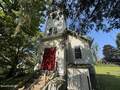
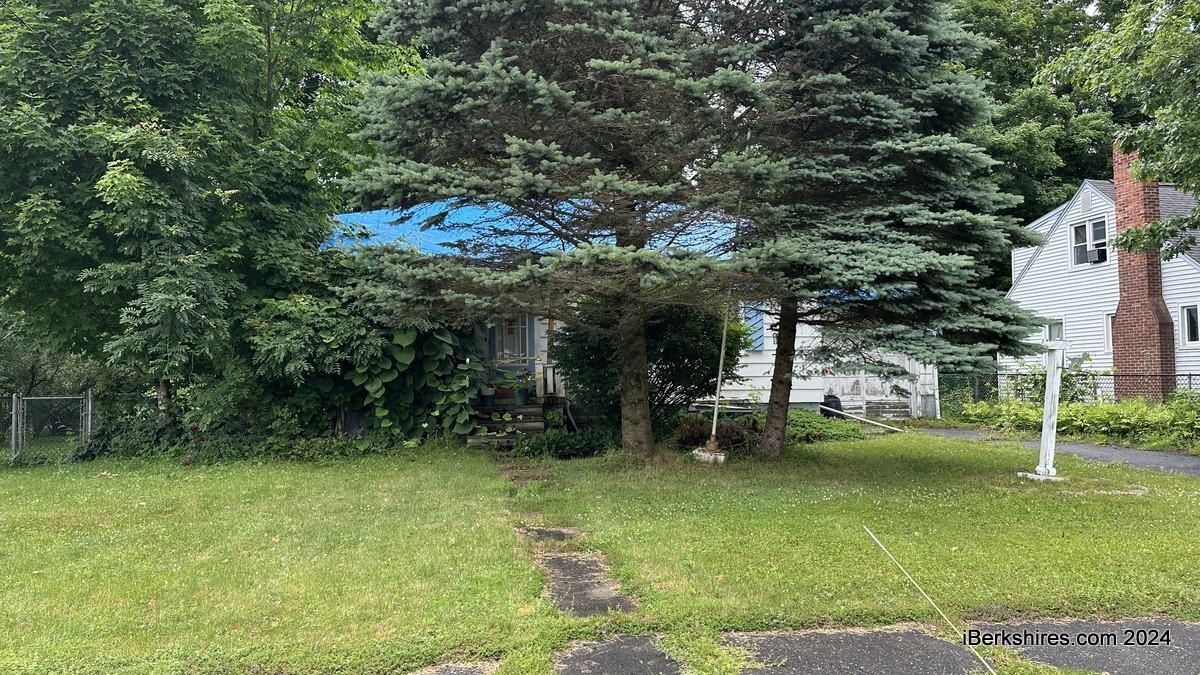
DALTON, Mass. — The Board of Health has ordered that a formal plan be in place to address the dilapidated condition of the house at 27 Mountain View Terrace.
Health Agent Agnes Witkowski has cited several safety issues with the home, including clutter blocking egresses, a collapsing roof and porch, mold throughout the house, especially in the basement where there is water damage, and the lack of water, electricity, and gas.
Neighbors also attended the Board of Health meeting earlier this month to complain about the rats that have infested their homes coming from the "abandoned" property and the unkept grass in the backyard.
No one has lived in the home for more than a decade, neighbors said.
The Board of Health gave owner Roberta Steele and her niece, Kathleen Winterstein, 60 days to develop a formal plan to address the structure's condition, whether by repairing or demolishing it.
They have 30 days to gather information and quotes from contractors, inspectors, and other businesses needed to address the house's issues and present them to the board during its meeting in August.
Neighbors expressed their frustration with Steele not taking care of issues that are now starting to affect their homes.
Jonathan Baker, of 33 Mountain View, said Steele has been at the house more since he filed a complaint with the Board of Health in February. Prior to that, he said she only been there to tarp the roof once a year or to plow the driveway around midnight, for which he also filed a complaint for a noise disturbance.
Shortly following Baker's complaint to the board, Witkowski received a call from the Fire Department telling her to come to the house because there was water damage in the basement.
Baker said the condition of the property became an issue when rats started to burrow into his home. He contacted Action Pest Control which determined they were coming from Steele's property and recommended remedies such as traps.
Other neighbors said they also were seeing rodents from Steele's property burrow under their garages and leaving holes in their foundations, which led to them to buy traps. Baker said he and another neighbor have photos of the rodents on their property.
Steele denied that there is a rodent problem, saying she visits the property regularly at night when no one notices, and she has not observed rats. She cited an instance where she left a bag of goodies at the house for more than three weeks, and when she returned, the bag was left untouched.
Winterstein called into the meeting from her home in Utah, apologized for not knowing about the condition of her aunt's home, and explained she had just become aware of it the week of the Board of Health meeting.
"Honestly, I can say I did not know, but I should have made it my business to know. I want to apologize to her and to this entire community for not being more involved. And I hope that you take that sincerely to heart. I do mean that," Winterstein said.
Within 24 hours of becoming aware of the situation, she said she contacted contractors and builders to inspect the home and determine the scope of work and costs. Funding for the work won't be finalized for 30 to 45 days, she said during the June 5 meeting.
Steele's father built the 1939 bungalow, said Winterstein, so she has a deep connection to the home and does not have much family left.
"Her husband passed away. They had a very traditional marriage, where he took care of all of their business. Then when he passed away very suddenly she was left not only with this loss and grief to deal with, but she had to figure out how to deal with life and take care of things," Winterstein said.
"It was very difficult for her, and she became very isolated. Then we kind of moved into COVID, and she spent three years being even more isolated by herself."
As the condition of the home worsened and the more things that needed to be done increased, Steele probably became overwhelmed. She did not want to "burden" Winterstein with "her troubles," Winterstein said.
"I'm also going to say that as, probably, her youngest living relative. I probably should have been more involved in her life, and I'm ashamed to say that I haven't been," Winterstein said.
"So, you can say shame on me for not being more actively involved in her life and helping her you're absolutely right to do so."
Steele said her hope is to repair the home so that she can sell her other house and move into there.
Neighbors requested a rodent inspection be done first and Steele asked to be able clear out personal items.
The Board of Health is seeking advice from the town's attorney to determine if it can put a time restriction on when someone can be on the property.
There is no electricity in the building so at night but Steele argued that she has been able to work at night using a battery-powered light.
"I feel every time I see you in that house. I'm worried that you're not going to come back out," one neighbor said, which resulted in Steele calling him ridiculous.
Tags: board of health, vacant building,